por Bill Tiepelman
Una partida de ajedrez épica
Aperturas y presagios
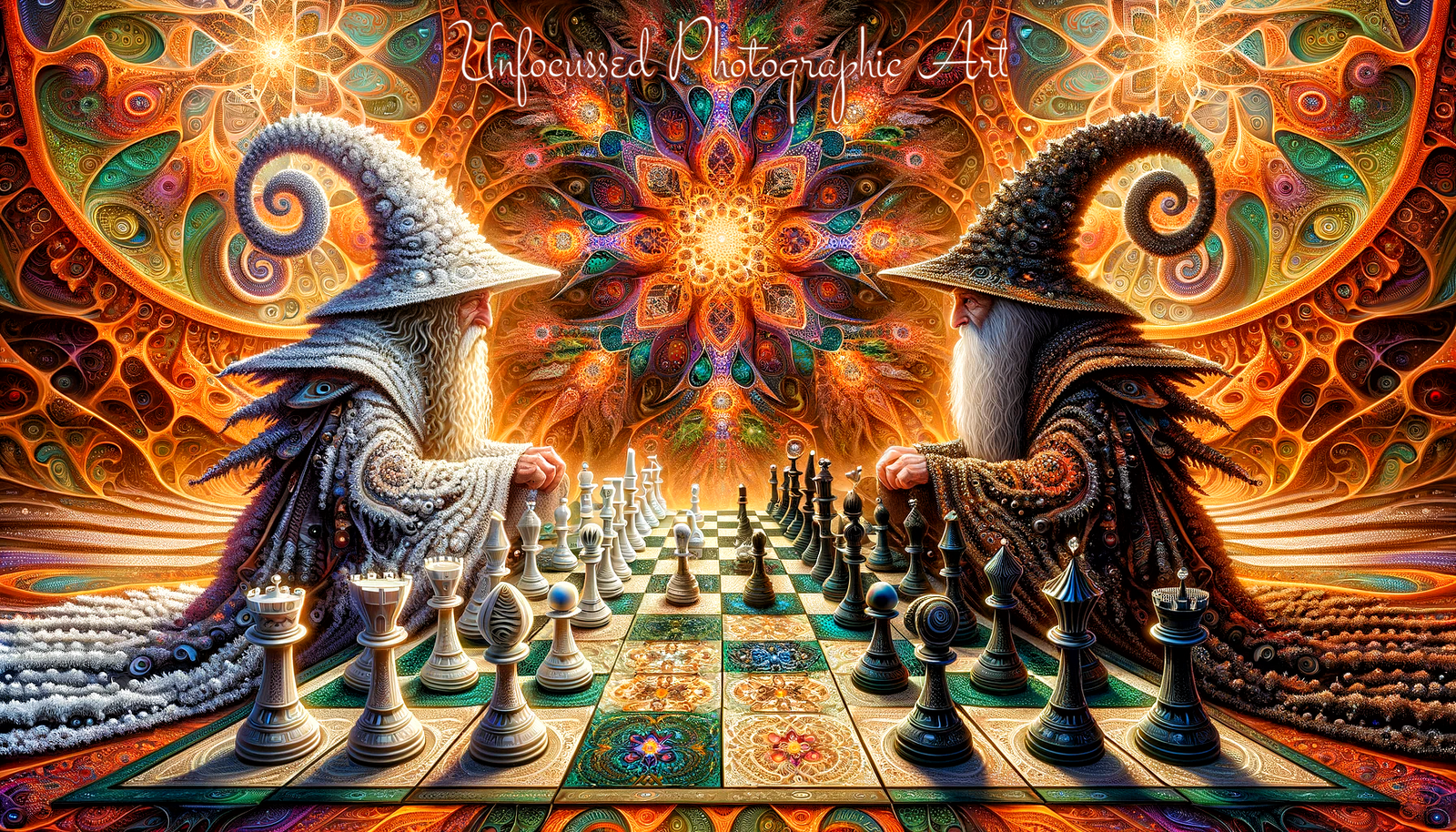
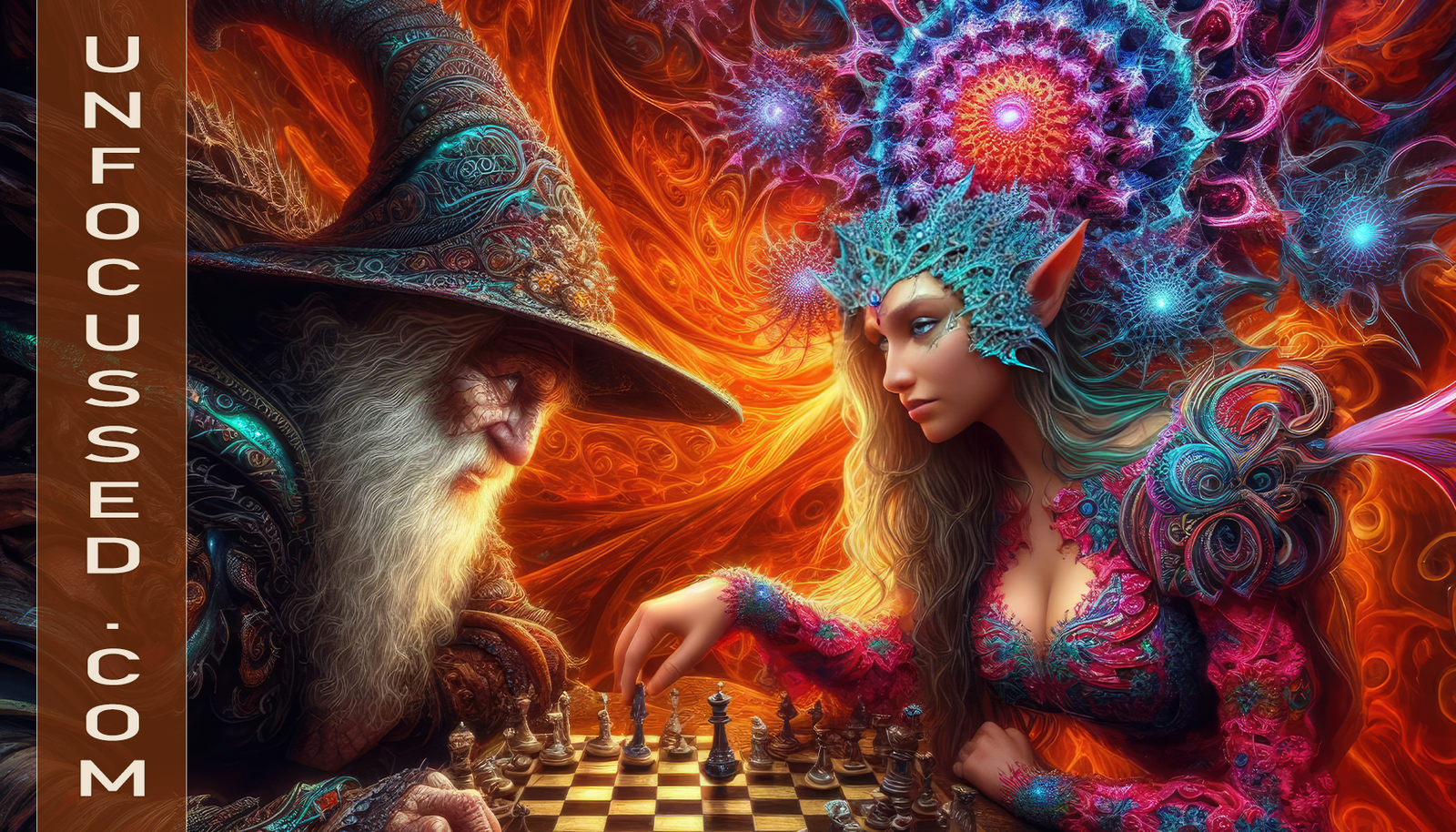
El salón estaba lo suficientemente silencioso como para oír al polvo pensar. Las velas titilaban en los candelabros de hierro, lamiendo las sombras sobre la piedra como gatos negros trepando por las cortinas. A un lado de la mesa tallada estaba sentado un mago curtido con túnicas rojas bordadas , el escarlata cosido con constelaciones que solo aparecen cuando la luna se siente dramática. Frente a él se posaba un dragón de escamas púrpuras cuyas alas se arqueaban como el cristal de una catedral: membranas de amatista, puntales veteados de bronce y el tenue aroma del trueno. Entre ellos: sesenta y cuatro casillas del destino. Sin bolas de fuego. Sin bastones girando. Esta noche, como los bardos murmurarían más tarde con un ritmo cuestionable, era ajedrez mágico contra ajedrez dragón , mente contra mito , silencio contra latido del corazón .
—Sabes que le pusieron mi nombre a una abertura —dijo el dragón, mostrando una sonrisa de navajas enjoyadas—. El Dragón en la Siciliana. Muy favorecedor. Muy preciso. Mucho... calor.
“Prefiero las líneas tranquilas”, dijo el mago, con voz suave como el agua profunda. Se ajustó la barba como un general que enrolla un estandarte y adelantó un peón con dos dedos, como si estuviera dando un sermón a una congregación muy pequeña. El peón tembló, se iluminó desde dentro y dejó un tenue rastro de chispas rojas. Los encantamientos se agitaron: el partido de esta noche tenía términos . Si el mago perdía, los Guardianes de Bienvenida de la ciudad, hechizos que convertían a los ejércitos hostiles en turistas confundidos, colapsarían durante un año y un día. Si el dragón perdía, liberaría el Tesoro del Recuerdo , una bóveda de recuerdos robados que hacía que los héroes olvidaran dónde dejaron su coraje y que los poetas extraviaran sus sustantivos.
El dragón pellizcó su peón d con delicadeza, como un cirujano manejando una verdad peligrosa. «Centro abierto, cielo abierto», ronroneó, adelantándolo para afrontar el desafío. Al aterrizar, el tablero exhaló escarcha. Tras las piezas, se formaron pequeñas tormentas: nubes del tamaño de dedales, acechadas por truenos del tamaño de comas. Esto era realismo fantástico épico , pero con reglas. Cada movimiento se traducía en un fenómeno al margen de la realidad; los errores rompían cosas; las genialidades las reparaban y, a veces, las dejaban mejor de lo que eran.
En el tercer movimiento, el caballo del mago saltó, literalmente, despejando el tablero en un arco de bordado carmesí, aterrizando con un satisfactorio tac en f3. Un pequeño zorro rojo de luz corrió por la columna y se enroscó alrededor de la base del caballo. «Compañero», murmuró el mago, como si hablara con un perro viejo que conocía el nombre secreto del trueno.
El dragón respondió con un alfil que se deslizaba en diagonal como un pensamiento que intentabas ignorar. «Hueles a biblioteca», dijo. «Y a té viejo. Y a discursos de victoria ensayados en baños».
"Proyección", dijo el mago con ojos brillantes. Empujó un peón, enrocando el futuro tras la idea de seguridad. El rey tallado se deslizó dos casillas y la torre saltó como una acróbata educada. Cada pieza en este ajedrez encantado tenía su propia personalidad: las torres parecían bastiones con cara de león; los alfiles eran plegarias de doble filo; la reina parecía sospechosamente alguien de quien uno se enamoraría al tomar una decisión terrible.
Comerciaban en el lenguaje del ritmo y la amenaza. Los peones se evaporaban en polillas de humo. Un caballo capturado florecía en una rosa de madera que prendió fuego al instante y se negaba a impresionarse. El arte estratégico y fantástico del tablero los atraía cada vez más. El dobladillo de la túnica del mago susurraba sobre las losas como hojas caídas; las alas del dragón susurraban con microritmos que hacían oscilar las llamas de las velas, un público diminuto en un concierto muy exclusivo.
—¿Por qué escondes la cola? —preguntó el mago con indiferencia, con la vista fija en los cuadrados, como si hablara de la lluvia con una tormenta. Los anillos del dragón se movieron, sin revelar absolutamente nada.
—Vieja apuesta —dijo el dragón—. La perdí con un poeta que amenazó con rimar «amatista» con «no puedo resistir». Eliminé la tentación. —Movió un caballo con una gracia ridícula. Listo. No era peligroso, más bien una ceja levantada en una sala llena de gente.
El mago paró, un movimiento suave con dientes afilados. Su conversación mezclaba humor y hambre; ambos disfrutaban del sabor de la presión. Las pupilas del dragón se estrecharon y luego se dilataron, como un océano que decide si ser tranquilo o interesante. "Estás jugando con el hombre, no con el tablero", dijo.
"Estoy jugando al siglo", respondió el mago. "Ustedes, los dragones, piensan en eras; los magos, en ediciones ". Avanzó un peón que no era del todo una trampa hasta que lo mirabas por tercera vez; entonces era lo único que podías ver. Un duelo místico zumbaba bajo la mesa; el rostro del león en el pedestal entrecerró los ojos y pareció considerar un cambio de carrera.
La partida intermedia golpeó como un tambor en una catedral. Las tácticas explotaron —alfileres, tenedores, ataques descubiertos— como si las reglas hubieran estado esperando ser invitadas a una fiesta mejor. El dragón sacrificó un alfil, y por un instante las llamas del candelabro se extendieron horizontalmente, susurrando ¡guau ! El mago aceptó con un ceño fruncido que habría hecho disculparse a una nube de tormenta. «Calculado», dijo.
"Obviamente", respondió el dragón, pero una pizca de duda se deslizó entre sus escamas. Intentó levantar la torre; la torre se flexionó, abrió un balcón y consideró cobrar alquiler. La reina del mago hizo una pirueta en una fila, un destello de seda roja, un rumor de perfume con olor a canela y decisiones imposibles a medianoche. Una obra de arte épica del ajedrez : cada casilla, una luz de escenario, cada movimiento, una línea leída con una sincronización demoledora.
Los minutos se convirtieron en una hora; una hora se convirtió en una leyenda haciendo yoga . Más allá del salón, la ciudad dormía bajo sigilos protectores como hilo de oro cosido sobre terciopelo. Un movimiento en falso engancharía la tela. El mago frotó con el pulgar el borde de la mesa donde el tallador había ocultado una carita —su propia cara— boquiabierta de asombro. Colocó su caballo en e5 con la ternura de una última letra. «Anclado», dijo.
—Inmovilizado —replicó el dragón, pero su voz se había suavizado. Disfrutaba de esto, más que de sus tesoros, más que del ruido de los elogios, más que de la satisfacción teatral de chamuscarle las cejas a un héroe. Allí, con la estrategia encantada zumbando y la túnica del mago doblándose en pliegues significativos, podía fingir que el mundo era un enigma que se dejaba resolver.
El tablero se aclaró como una confesión. Un esqueleto de tácticas apareció bajo la posición: si el dragón avanzaba su peón "g", se abriría un huracán de posibilidades; si el mago desplazaba su reina a "h5", la ciudad oiría campanas que nadie había encargado. La presión se agravó hasta que respirar parecía una jugada de la que podría arrepentirse.
"Estás sonriendo", dijo el dragón.
—Puedo permitírmelo —respondió el mago—. Estás a punto de elegir entre la codicia y la gloria.
La garra del dragón se cernía sobre el rey negro . Era una intención extraña: nadie agarra al monarca tan pronto a menos que planee algo excéntrico o de una belleza devastadora. La levantó (las velas se silenciaron, algo complicado para una llama) y la depositó con un clic que recorrió la sala como una profecía recordando sus líneas.
—Largo es el camino que serpentea a través del orgullo —murmuró el dragón, un proverbio de una especie que mide las tardes en milenios. Sus alas se apretaron contra su espalda; las venas de bronce zumbaron—. Listo.
El mago no miró al rey. Miró a los ojos del dragón. Vio un futuro ramificándose como escarcha sobre cristal: un camino lleno de humo y sirenas, otro camino forrado de seda roja y risas aliviadas. Sonrió por segunda vez: la sonrisa serena e inquietante de quien sabe dónde está la trampilla porque la instaló durante unas reformas.
Extendió la mano hacia una pieza que ningún narrador esperaría y la empujó una casilla, no del todo tierna, no del todo cruel. El tablero se iluminó. Afuera, las salas respiraban. En algún lugar, un poeta perdió y luego encontró la palabra adecuada para púrpura .
—Tu turno —susurró el mago, y en la garganta del dragón se desató una pequeña tormenta, despertándolo.
El infierno del juego medio
Las garras del dragón se cernían sobre el tablero, moviéndose como diapasones alcanzados por un trueno. Sus pupilas se estrecharon hasta convertirse en rendijas depredadoras, y entonces, lentamente, como si el movimiento llevara el peso de una procesión fúnebre, avanzó una torre. La casilla crujió bajo ella. Una vibración recorrió la cámara, haciendo vibrar el polvo de mortero del techo. La torre se transformó en una fortaleza en miniatura repleta de balistas, todas apuntando al frágil flanco del mago.
—Ahora empieza —dijo el dragón con una voz como terciopelo forrado de navajas. Una sonrisa se dibujó en su hocico escamoso—. Tu posición huele... comestible.
El mago enarcó una ceja nervuda y se acarició la barba. «Has confundido la vulnerabilidad con un cebo. Les pasa a los novatos... y a los reptiles». Dio un golpecito a un peón para que avanzara. Marchó obedientemente, y luego se transformó en un pequeño fénix carmesí que chilló una vez, esparciendo chispas como aplausos furiosos. La sala se oscureció por un instante, y luego la luz rebotó, más intensa y ansiosa, como si las propias paredes se hubieran dado cuenta de que estaban presenciando la historia.
El juego intermedio ardía como una sinfonía palpitante . Cada captura detonaba consecuencias: los peones se disolvían en nubes de humo acre; los alfiles gritaban en latín al desmoronarse en cenizas; un caballo explotaba en una lluvia de monedas de plata que resonaban sobre la mesa antes de evaporarse en niebla. Cada resultado tiraba de la realidad. Afuera, las barreras que protegían la ciudad parpadeaban como velas en una tormenta. Las ventanas vibraban. Los perros despertaban. Los bebés soñaban con dragones que nunca habían conocido.
El dragón se acercó, su aliento tan caliente que hizo temblar la barba del mago. «Un paso en falso, anciano, y me daré un festín con tus peones como si fueran cacahuetes salados».
—Me confundes con cauteloso —respondió el mago, empujando a su reina al peligro con la arrogancia de un jugador que apuesta el dinero de la renta y gana reinos. Ella aterrizó con una pirueta, la túnica de obsidiana tallada ondeando al viento, y sus ojos brillando rojos como un latido. Listo.
Las escamas del dragón ondularon de violeta a índigo mientras observaba la posición con los ojos entrecerrados. «Valiente. O estúpido. La diferencia a menudo se decide en retrospectiva». Gruñó y lanzó un alfil hacia adelante, arrebatando un peón con tal ferocidad que el tablero se quebró en diagonal como un rayo. Las velas brillaron de lado, rugiendo como una multitud de fútbol.
El mago contraatacó sin dudarlo, y una torre se estrelló contra el suelo. La fortaleza se desplegó, formando torres tan altas que sus sombras se proyectaban sobre las alas del dragón. Los ojos del mago brillaron. «Te has construido una jaula».
El dragón rió entre dientes con una risita sombría. «Has confundido la arquitectura con una prisión». Su cola —bueno, su fantasma, el espacio ausente donde solía estar— se agitó con una amenaza recordada. «Déjame mostrarte cómo los dragones rompen muros».
El tablero se convulsionó cuando su reina, una bestia de llamas violetas coronada por una luz tormentosa, cruzó la diagonal. El sonido era menos un movimiento que una avalancha que se animaba a bailar. La torre del mago chilló al hacerse añicos, y sus torres implosionaron sobre sí mismas con la trágica dignidad de una ciudad-estado traicionada por una planificación urbana deficiente.
Las piezas se redujeron. La sala se volvió más calurosa, el aire cargado de ozono y tensión narrativa. La túnica del mago se le pegaba húmeda a la espalda; el sudor le brillaba en la frente, pero sus ojos no se apartaban del tablero. La respiración del dragón se volvió profunda, cavernosa, y cada exhalación empañaba las gafas del mago. Era una batalla de desgaste , ninguno dispuesto a ceder, ambos seguros de que el otro cedería primero.
—¿Lo sientes? —preguntó el mago con voz tranquila pero cortante—. Las protecciones de afuera me escuchan. Saben lo que está en juego. Quieren que gane.
—Quieren drama —replicó el dragón—. Ganen o pierdan, cantarán sobre mí. ¿Quién cantará sobre ti, mago, cuando ya no estés? ¿Los bibliotecarios? —Sonrió ferozmente y avanzó un peón para promocionarlo. Llegó a la última fila, transformándose en una reina coronada de llamas—. Ahora tengo dos.
El mago exhaló lentamente, como si desempolvara un secreto. Movió un caballo. El pequeño caballo de madera galopó con un relincho audible, aterrizando en f7. En el momento en que golpeó, el mundo exterior quedó en silencio . Ni viento, ni crujido de madera, ni ladridos de perros. El silencio de algo terriblemente ingenioso a punto de suceder.
La sonrisa petulante del dragón se desvaneció. Su coxis se contrajo donde debería estar la cola faltante. "Eso... es un inconveniente".
Los labios del mago se curvaron en una sonrisa afilada como un cristal roto. «Oh, no, mi escamoso amigo. Eso es jaque mate, cinco movimientos de profundidad. Simplemente aún no te has dado cuenta».
Por primera vez, las pupilas del dragón se dilataron de miedo. No de terror —los dragones no conocían esa palabra—, sino de la cruda y amarga sospecha de que lo habían superado.
Las antorchas se inclinaron hacia adentro, esforzándose por observar. El aire vibraba con una tensión épica . Las garras del dragón arañaron la madera. Las manos del mago se cernían sobre el tablero como un director de orquesta a punto de lanzar una sinfonía al crescendo.
Y entonces, el mago se movió. Una pieza. Un movimiento silencioso, casi aburrido , que trastocó toda la posición como una mesa de taberna tras una mala mano de cartas.
El dragón rugió, sacudiendo la cámara hasta sus cimientos. Pero en su interior, bajo toda la bravuconería y las llamas, ya lo sabía: el final se acercaba, y no le pertenecía.
El ajuste de cuentas final
El rugido del dragón resonó en la sala como un trueno que destroza la campana de una catedral. El polvo caía de las vigas talladas siglos atrás por monjes que jamás imaginaron que su ebanistería presenciaría algún día semejante espectáculo. El tablero de ajedrez temblaba, sus casillas brillaban en rojo y violeta, como si el fuego y el rayo se hubieran puesto de acuerdo para compartir la custodia. Y aún así, el mago permanecía inmóvil, con la túnica roja envuelta como un sermón a la espera de ser pronunciado, y sus ojos brillaban con la alegría que suele reservarse para un vino bien añejo y un remate particularmente demoledor.
—Te has acorralado —dijo el mago en voz baja—. Tu reina es demasiado codiciosa, tus peones demasiado ambiciosos, tu torre demasiado sentimental. —Empujó un caballo hacia adelante. Un destello de relámpago escarlata explotó en la diagonal. Jaque.
El dragón gruñó bajo, un sonido como el de montañas rechinando los dientes. Sus garras se crisparon, su mente calculó. Veinte variantes, cuarenta, cien. Cada una terminó igual: con su rey enjaulado, perseguido y asesinado por una lógica más afilada que cualquier espada. «Imposible», siseó. «Soy antiguo ... He sobrevivido a imperios. He apostado almas y trocado soles».
—Quizás —murmuró el mago, moviendo su torre como quien ajusta un marcapáginas—. Pero llevo quinientos años aburrido. Y el aburrimiento genera aficiones muy peligrosas.
El tablero se contrajo, el aire se absorbió como si la realidad misma contuviera la respiración. El dragón se agitó, barriendo con su reina por el tablero con desesperación. Pero sus movimientos ahora sonaban huecos, cada amenaza respondida antes de ser pronunciada. Las piezas del mago avanzaron con la inevitabilidad de los impuestos y la mala poesía. Un peón promovió a una segunda reina: dos hermanas escarlatas gemelas susurrando al unísono. La primera reina se deslizó por la columna h, sonriendo con sorna como un amante que conoce tus secretos. Jaque.
El dragón exhaló llamas, abrasando el aire, pero las barreras que rodeaban la sala vibraban con una serena rebeldía. Afuera, la ciudad sintió que la tensión se desvanecía como una fiebre; los niños se agitaban, los amantes se besaban, los guerreros se revolcaban en sus literas y murmuraban estrategias que no entendían. El mundo se inclinaba hacia el tablero, a la espera.
El mago volvió a moverse, ni rápido ni lento; era inevitable. Una torre a d8. El último clavo clavado con precisión clínica. Jaque mate.
Durante un largo instante, reinó el silencio. Entonces el dragón se desplomó, con las alas colgando como estandartes mojados, la mandíbula abierta por la incredulidad. Contempló al rey negro, inmovilizado sin remedio, sin posibilidad de movimiento, sin posibilidad de truco. Su orgullo se quebró con más fuerza que una piedra, la imponente arrogancia de siglos desangrándose como un odre agujereado.
“Me engañaste con… paciencia ”, dijo con amargura.
—No —corrigió el mago con suavidad, reclinándose en su silla—. Te engañé con humor . Subestimaste lo divertido que es ser ingenioso en el momento oportuno.
El dragón rió entre dientes, una risa profunda y rota que esparció chispas por el tablero en ruinas. «Maldito seas, viejo. Has ganado. El Tesoro del Recuerdo es tuyo. Los héroes recuperarán su coraje. Los poetas sus palabras. Incluso las exesposas sus anillos de boda».
—Bien —dijo el mago, poniéndose de pie y sacudiéndose el polvo de la túnica—. Porque he perdido mi pipa durante treinta años. Su reina le guiñó un ojo desde el tablero y luego se disolvió en brasas.
El dragón suspiró; su arrogancia había desaparecido, pero su dignidad estaba intacta. Inclinó su cabeza cornuda. "¿Otra pelea, algún día?"
El mago sonrió con suficiencia, cubriéndose la frente con la capucha. «Solo si traes algo para picar. Me encantan las castañas asadas». Con un remolino de seda roja, se giró y se adentró en las sombras, ya planeando partidas para los juegos que aún no se habían jugado.
Detrás de él, el dragón permaneció sentado mirando el tablero mucho después de que el mago se hubiera ido. Entonces volvió a reír, lenta, retumbante, resignada. «Jaque mate», susurró para sí mismo, como si practicara la humildad por primera vez.
Y la ciudad de arriba, a salvo una vez más, soñaba con un mago y un dragón atrapados para siempre en un juego que tenía menos que ver con ganar que con nunca dejar que el mundo se volviera aburrido.
Integración de productos
Lleva la leyenda de Una Partida Épica de Ajedrez a tu propio mundo con productos de bella factura que celebran la paciencia del mago y el ardiente orgullo del dragón. Cada artículo captura el detalle hiperrealista y la atmósfera de fantasía épica de la obra, permitiéndote llevar la magia de la estrategia y el mito a tu vida diaria.
Imagina esta escena adornando tus paredes como una lámina enmarcada o en lienzo , captando la atención en cualquier habitación. O envía un toque de magia con una tarjeta de felicitación : la manera perfecta de compartir la historia con alguien que ama la fantasía y el humor.
Para un desafío lúdico, pon a prueba tu ingenio con una versión de rompecabezas de la obra, donde cada pieza se siente como un movimiento en el astuto plan del mago. Y si prefieres llevar el duelo contigo, la bolsa de mano te permite llevar este épico duelo de mentes al hombro dondequiera que la aventura te llame.
Ya sea que lo cuelgues, lo regales, lo construyas o lo lleves contigo, An Epic Chess Match es más que una obra de arte: es una historia con la que puedes vivir todos los días.