
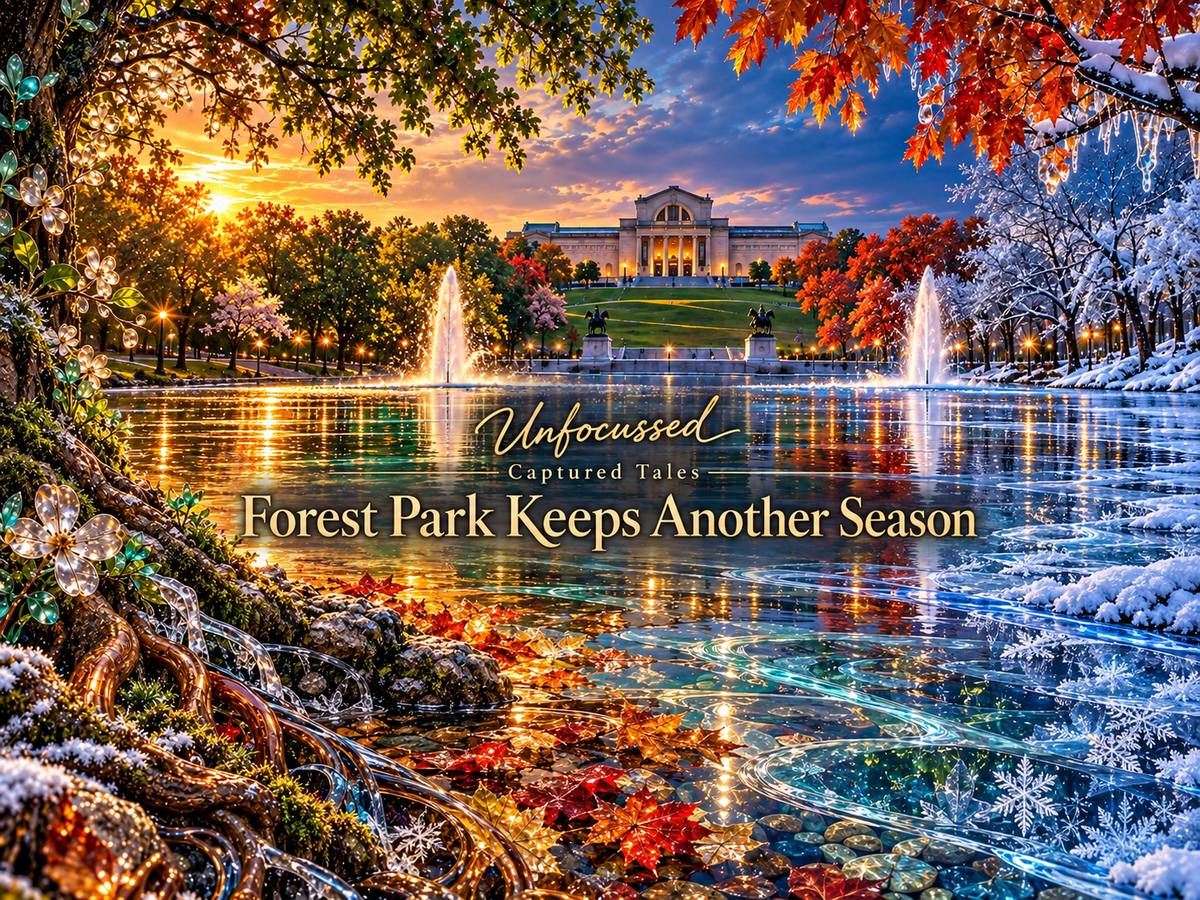
L'Autunno presenta ricorso contro lo sfratto
All'Autunno era stato ordinato di lasciare Forest Park entro la mezzanotte del primo dicembre.
L'avviso era comparso un martedì mattina, fissato alla quercia più antica affacciata su Art Hill con tre puntine argentate e quel genere di sicurezza burocratica solitamente riservato alle multe per divieto di sosta e alle lettere sugli accertamenti dell'imposta immobiliare.
AVVISO DI CESSAZIONE STAGIONALE, cominciava.
Ai sensi del Calendario Perpetuo, della Rotazione Annuale del Clima e di diversi reclami relativi alla presenza di foglie bagnate sulle superfici pedonali, si ingiunge alla stagione occupante nota come Autunno di riconsegnare tutti i sentieri, prati, alberi, fontane, aiuole ornamentali e privilegi atmosferici all'interno di Forest Park entro e non oltre le 23:59.
L'avviso proseguiva precisando che l'Autunno doveva rimuovere tutto il fogliame residuo, interrompere la produzione di tramonti ambrati, cessare la distribuzione di nebbia decorativa e riportare il Grand Basin a condizioni adatte alle operazioni invernali.
In fondo, con una calligrafia tanto affilata da tagliare il vetro, qualcuno aveva aggiunto:
Hai avuto tre settimane extra. Smettila di fingere che gli aceri non abbiano finito.
L'Autunno lesse l'avviso due volte.
Poi girò il foglio, scrisse RICORSO PENDENTE sul retro con linfa rossa d'acero e lo inchiodò allo stesso albero.
Non era il primo disaccordo dell'Autunno con il calendario. Le stagioni dovevano arrivare, svolgere i compiti assegnati e andarsene senza troppe cerimonie. La Primavera apriva i fiori. L'Estate addensava l'aria e incoraggiava gli abitanti di St. Louis a lamentarsi come se l'umidità fosse un tradimento personale. L'Autunno dipingeva gli alberi, rendeva più nitida la luce del sole e faceva sembrare ogni sentiero di Forest Park brevemente capace di cambiare la vita a qualcuno. L'Inverno chiudeva le fontane, gelava tutto ciò che riusciva a raggiungere e si posava sulla città con la pallida, inflessibile autorità di un revisore dei conti.
C'erano sempre state sovrapposizioni. Una giornata calda a novembre. Una gelata tardiva ad aprile. L'Estate che ogni tanto tornava barcollando in ottobre perché aveva dimenticato il portafoglio.
Ma nessuna stagione aveva mai presentato ricorso.
L'Autunno riteneva eccezionali le circostanze.
Le querce lungo Art Hill conservavano ancora le foglie del loro rame più intenso. Gli aceri vicino al Grand Basin avevano raggiunto solo da poco quella particolare sfumatura scarlatta che faceva perdere ogni buon senso ai fotografi, inducendoli ad arretrare in mezzo al traffico delle biciclette. Ogni sera la luce dorata continuava a riversarsi sull'acqua, colpendo le fontane e la facciata di pietra chiara del Saint Louis Art Museum, finché l'intera scena sembrava più ricordata che costruita.
Andarsene adesso sarebbe stato artisticamente irresponsabile.
L'Autunno lo disse proprio così a Maribel Voss, la responsabile della manutenzione del verde che scoprì l'avviso di ricorso durante il suo giro mattutino.
Maribel lavorava a Forest Park da trentaquattro anni e aveva accettato da tempo che quel posto fosse vivo in modi che i manuali comunali di manutenzione si rifiutavano di affrontare. Sapeva quali alberi risistemavano le radici dopo piogge abbondanti. Sapeva che le statue vicino al Grand Basin cambiavano posa quando nessuno guardava. Sapeva che, dopo la chiusura, le fontane sussurravano i nomi di vecchi visitatori, sebbene solo nelle notti senza vento e mai in ordine alfabetico.
Sapeva anche quando l'Autunno si dava troppe arie.
«Artisticamente irresponsabile», ripeté Maribel, in piedi sotto la quercia con un rastrello in una mano e un bicchiere di carta pieno di caffè nell'altra. «Hai coperto ogni tombino da qui al Jewel Box».
Una raffica sollevò diverse centinaia di foglie. Le fece turbinare intorno a lei in una magnifica elica ramata, prima di disporle sull'erba nella forma di una faccia offesa.
«Questa non è una confutazione», disse Maribel.
Le foglie si ridisposero in una forma molto più volgare.
«Ed ecco perché il calendario ha degli avvocati».
L'Autunno si mosse fra i rami sopra di lei, caldo e profumato di fumo di legna, corteccia umida e della lieve dolcezza delle foglie in decomposizione. Non aveva un corpo solo. Raramente le stagioni ne avevano uno. L'Autunno si esprimeva invece attraverso il colore, il vento, gli uccelli migratori e qualunque evento naturale drammatico fosse disponibile. Quella mattina scelse un vortice di foglie cremisi con due baccelli luminosi per occhi.
«Le querce rosse non sono pronte», disse.
«Sembrano pronte».
«Filistea».
«Dipendente comunale».
«Il boschetto di cipressi non ha completato la transizione».
«Il boschetto di cipressi non completa mai niente nei tempi previsti».
«Esattamente il motivo per cui serve una proroga».
Maribel bevve il caffè e guardò verso il Saint Louis Art Museum, che si ergeva solenne oltre il lungo pendio verde di Art Hill. Il sole del mattino scaldava le colonne, mentre il Grand Basin sottostante rifletteva un cielo affollato di nuvole dorate e violette. La scena era splendida. L'Autunno lo sapeva. Maribel lo sapeva. Lo sapevano tutti quelli che si fermavano con il telefono sollevato sopra l'acqua.
Era questo il problema del discutere contro la bellezza. La bellezza raramente si preoccupava di pulire dopo il proprio passaggio.
«Quanto tempo chiedi?» domandò Maribel.
Gli occhi di baccello si illuminarono.
«Finché il lavoro non sarà completato».
«Non è una data».
«L'arte non riconosce le date».
«L'Inverno sì».
Le foglie tremarono.
L'Autunno sapeva che l'Inverno stava arrivando. Lo sapevano tutti. La pressione era calata durante la notte. Il vento portava da nordovest un taglio metallico e pulito, sottile come una lama infilata sotto una porta. I pettirossi si erano radunati in gruppi inquieti. Gli scoiattoli si comportavano con ancora meno stabilità emotiva del solito.
Ma l'Autunno si era aspettato un altro avvertimento, forse un'udienza, magari una mediazione.
Non si era aspettato che l'Inverno arrivasse con dodici ore d'anticipo.
Il primo segnale apparve sul bordo orientale del Grand Basin, dove un merletto di ghiaccio si formò sotto una foglia rossa galleggiante. Il disegno si allargò in silenzio, ramificandosi in delicate venature bianche. Una seconda foglia si congelò sul posto. Poi una terza. Nel giro di pochi istanti, una lastra traslucida si estese per diversi metri sull'acqua, portando minuscole strutture cristalline simili a felci, piume e alla severa architettura di un'istituzione senza bagni pubblici.
Le fontane tossirono.
Una sputacchiò due volte e tacque.
Su Art Hill, tutti i cani sollevarono la testa contemporaneamente.
Un vento scese sul bacino.
Spazzò via il rassicurante odore di terra e foglie, sostituendolo con neve, pietra e ferro lontano. La brina corse sulla ringhiera. L'erba sbiancò lungo una linea che avanzava senza sosta verso gli stivali di Maribel. I visitatori si strinsero nei cappotti. Un fotografo di matrimoni gridò qualcosa di irripetibile quando il bouquet della sposa si cristallizzò.
L'Inverno entrò a Forest Park senza tuoni né spettacolo. Non aveva bisogno di nessuno dei due. L'Inverno arrivò come una certezza.
Si raccolse accanto alla fontana orientale nella forma di un'alta figura con un cappotto cucito di nuvole grigie. I capelli erano una corona di ramoscelli spogli rivestiti di ghiaccio. Gli occhi avevano l'azzurro piatto del cielo prima della neve. Sotto un braccio teneva una spessa cartella di cuoio chiusa da tre fibbie.
L'Inverno attraversò il bordo gelato del bacino senza lasciare impronte.
«Ti era stato ordinato di lasciare il posto», disse.
L'Autunno precipitò dalla quercia in un torrente arancione e oro. Le foglie si raccolsero in una figura vestita con un ampio cappotto di fogliame fulvo, un colletto di sommacco cremisi e capelli d'erba scompigliata dal vento. Il volto mutava di continuo fra luce e ombra.
«È stato presentato un ricorso».
L'Inverno aprì la cartella.
«A chi?»
L'Autunno indicò il foglio inchiodato alla quercia.
L'Inverno lo fissò.
«Hai scritto sul retro dell'avviso di sfratto».
«Esatto».
«Questo non è un ricorso».
«C'è scritto chiaramente ricorso».
«Sembra anche contenere un disegno di me assalito dalle oche».
«Documentazione a sostegno».
Maribel si mise fra loro prima che la temperatura potesse scendere ancora. Aveva già assistito a litigi stagionali. Una volta Primavera ed Estate avevano litigato per due settimane per un'aiuola di tulipani vicino al Muny. L'Autunno aveva accusato l'Estate di furto di colori durante un agosto particolarmente arancione. L'Inverno presentava reclami annuali per le luci di Natale installate prima del suo arrivo ufficiale.
Ma stavolta sembrava diverso.
Le due stagioni si fronteggiavano ai lati opposti del Grand Basin, e il paesaggio aveva cominciato a dividersi intorno a loro. Dietro l'Autunno, l'acqua ardeva di oro riflesso. Le foglie scivolavano sotto la superficie come vetrate colorate. I rami rossi si inarcavano verso il museo, incorniciandone le colonne di colori caldi.
Dietro l'Inverno, il ghiaccio si allargava in lastre turchesi. La brina saliva sugli alberi. Dalle branche spoglie si allungavano ghiaccioli che catturavano la luce come lampadari. La neve si accumulava sui sentieri di pietra, anche se non era ancora nevicato.
Fra loro, i getti delle fontane continuavano a salire, con la nebbia che diventava cristalli scintillanti da un lato e calda foschia ambrata dall'altro.
«Esistono delle procedure», disse l'Inverno, estraendo una pila di documenti. «Ho presentato la dichiarazione di occupazione a marzo. Ho rinnovato tutti i permessi di congelamento a giugno. Le ordinanze di sospensione delle fontane sono state approvate ad agosto. Il mio piano di deposito della neve ha ricevuto l'autorizzazione unanime, salvo un'astensione della Primavera, che a quella riunione non aveva alcun motivo di partecipare».
«Alla Primavera piacciono le riunioni», disse l'Autunno.
«Alla Primavera piacciono i muffin».
«Possono essere vere entrambe le cose».
L'Inverno tirò fuori un altro documento.
«Ho anche un calendario di transizione firmato, un accordo per lo spargimento del sale sui sentieri e la conferma della custodia atmosferica a partire da mezzanotte».
L'Autunno alzò il mento.
«E io ho alberi incompiuti».
«Hai sempre alberi incompiuti».
«Perché mi metti fretta».
«Perché dicembre non è autunno solo perché sei ancora emotivamente legato al bordeaux».
Le foglie intorno all'Autunno si accesero di scarlatto.
«Il bordeaux ha profondità».
«Il bordeaux ha ritardato la rimozione della neve».
Il litigio si propagò su Art Hill. Gli alberi divamparono e gelarono a ondate alterne. Le foglie eruppero dal terreno, per venire subito catturate a mezz'aria dentro gusci trasparenti di ghiaccio. La fontana occidentale brillava d'oro, mentre quella orientale si affilava in una torre cristallina bianca. Sopra il museo, i colori del tramonto comparvero con diverse ore d'anticipo, scontrandosi con le cupe nuvole di neve che si ammassavano sul tetto dell'edificio.
La gente smise di andarsene.
Si radunò lungo il bacino con i telefoni alzati, guardando Forest Park trasformarsi. I bambini premevano le mani sulle ringhiere coperte di brina e foglie cadute. I corridori rallentarono fino a camminare. Una pittrice vicino all'acqua strappò una tela dal cavalletto e ricominciò in evidente preda al panico. Le auto accostavano ovunque i conducenti ritenessero che il codice della strada diventasse facoltativo in presenza di un'illuminazione insolita.
Maribel osservò la folla che cresceva.
«State facendo una scenata».
«Sto stabilendo il possesso», rispose l'Inverno.
«Sto completando la mia visione», disse l'Autunno.
«State entrambi creando un problema di sicurezza pubblica».
Nessuna delle due stagioni ascoltò.
L'Inverno alzò una mano, e la brina si estese sul Grand Basin in vasti motivi geometrici. L'Autunno rispose con un soffio di vento caldo che fece scivolare le foglie d'acero sul ghiaccio come uccelli rossi. L'Inverno congelò le foglie dove atterravano. L'Autunno le illuminò da sotto con oro fuso.
Il risultato era mozzafiato.
E si stava anche espandendo.
Il ghiaccio strisciava verso ovest mentre i colori autunnali dilagavano verso est. Le radici lungo la riva si contorcevano verso l'alto, glassate di brina e avvolte nel muschio. Fiori di cristallo si aprivano fra le foglie cadute. Sull'acqua si formavano fiocchi di neve, ognuno dei quali rifletteva un frammento del museo, delle fontane o del cielo viola livido.
Forest Park non stava più passando da una stagione all'altra.
Le stava trattenendo entrambe.
Maribel sentì il terreno spostarsi sotto di lei. Non fisicamente, esattamente, ma con il profondo assestamento interiore di qualcosa che sta prendendo una decisione. Gli alberi gemettero. L'acqua si scurì. Molto sotto il bacino, vecchi tubi sferragliarono con un suono simile a una risata soffocata.
Al parco piaceva ciò che stava accadendo.
Questo la preoccupava più del ghiaccio.
Forest Park aveva sopportato più di un secolo di piani, feste, tempeste, folle, costruzioni, abbandono, restauri ed esseri umani convinti di sapere di cosa avesse bisogno. Aveva imparato la pazienza. Aveva anche sviluppato delle opinioni.
E ora, circondato da foglie color fuoco e rami cristallini, sembrava aver deciso che scegliere una sola stagione fosse superfluo.
Un impulso profondo attraversò il suolo.
Ogni foglia rimasta a Forest Park lampeggiò d'oro.
Ogni ramo spoglio fiorì di ghiaccio.
Il Grand Basin si sollevò in una parete scintillante, acqua e luce gelata che si avvolgevano insieme prima di tornare al loro posto senza versare una goccia.
Per la prima volta, entrambe le stagioni tacquero.
Da qualche parte sotto la quercia, una voce più antica del museo e più profonda delle radici sussurrò attraverso il terreno.
«Potete restare entrambi».
L'Autunno sorrise.
L'Inverno no.
Maribel chiuse gli occhi e bevve un lungo, stanco sorso di caffè.
Il parco aveva appena scavalcato il calendario.
Il parco si rifiuta di scegliere
All'alba del mattino seguente, Forest Park era diventato il più bel fallimento amministrativo nella storia di St. Louis.
L'Autunno occupava la metà occidentale del parco con abbondanza teatrale. Le querce ardevano arancioni contro il cielo. Gli aceri lanciavano foglie cremisi sui sentieri più in fretta di quanto gli addetti riuscissero a raccoglierle. Ogni chiazza di sole arrivava già filtrata dall'oro, valorizzando edifici, panchine, cani, corridori e persone che non avevano avuto un aspetto così sano da anni.
L'Inverno controllava la parte orientale con inquietante efficienza. La brina bordava i marciapiedi in precise linee bianche. I rami spogli scintillavano sotto manicotti di ghiaccio. La neve riposava in cumuli lisci e misurati che, in qualche modo, evitavano di bloccare porte, rampe e vie d'accesso per le emergenze. Le fontane più vicine al Saint Louis Art Museum si erano congelate in torri traslucide, ognuna contenente la forma sospesa dell'acqua in movimento.
Il confine fra le stagioni attraversava esattamente il Grand Basin.
Lì, Autunno e Inverno si sovrapponevano in modi che nessuno dei due aveva autorizzato. Foglie ramate galleggiavano sotto il ghiaccio trasparente. Rami cremisi portavano grappoli di fiori di cristallo. Riflessi caldi si muovevano fra motivi congelati, trasformando l'acqua in una vetrata. Su una riva, le radici si annodavano fra muschio e foglie cadute. Sull'altra, quelle stesse radici emergevano rivestite di brina biancoazzurra.
Nulla si scioglieva.
Nulla finiva di congelarsi.
Il parco tratteneva perfettamente quell'istante.
Le troupe giornalistiche arrivarono prima di colazione.
Vennero prima dalle emittenti locali, parcheggiando i furgoni proprio dove Maribel aveva espressamente vietato di farlo. I reporter si piazzarono accanto al Grand Basin con cappotti costosi e spiegarono la situazione con espressioni gravi solitamente riservate ai danni da tornado e ai risultati elettorali contestati.
«Forest Park sembra sperimentare due stagioni simultanee», annunciò una mentre foglie rosse roteavano nella neve alle sue spalle. «Le autorità non hanno confermato se il fenomeno costituisca una minaccia, sebbene si consigli ai visitatori di vestirsi a strati e di evitare di inimicarsi il meteo».
Un secondo reporter intervistò un corridore con pantaloncini, guanti e un solo calzino di lana.
«È decisamente strano», disse. «Ma, sinceramente, è comunque più prevedibile di marzo».
A mezzogiorno, la notizia aveva superato i confini del Missouri.
I turisti riempivano Art Hill. I fotografi affollavano l'acqua. I pittori costeggiavano il bacino con i cavalletti. I bambini scivolavano sui sentieri orientali gelati, poi correvano nei mucchi di foglie secche sul lato occidentale. Le coppie posavano sotto alberi per metà scarlatti e per metà argentati. Un quartetto di ottoni cominciò a suonare vicino ai gradini del museo, anche se nessuno sapeva chi l'avesse invitato né perché sembrasse conoscere soltanto arrangiamenti sempre più aggressivi di «Autumn Leaves».
I venditori arrivarono con flessibilità stagionale. Un carretto vendeva cioccolata calda e sidro di mele da finestrelle opposte. Un altro offriva caldarroste accanto al frozen custard, ragionando correttamente che gli abitanti di St. Louis avrebbero comprato il loro gelato cremoso durante qualunque evento meteorologico inferiore al collasso del sole.
Gli scoiattoli si adattarono più in fretta di tutti.
Seppellivano ghiande nell'Autunno e le recuperavano dall'Inverno quindici minuti dopo, eliminando di fatto i rischi dello stoccaggio a lungo termine. Nel giro di poche ore, diversi di loro avevano sviluppato una rudimentale borsa delle materie prime sotto un olmo vicino al Grand Basin. Nel pomeriggio, applicavano già gli interessi.
L'Autunno considerava l'intero spettacolo la prova della propria indispensabilità.
Attraversava il parco con un cappotto di foglie fulve, accettando i complimenti dei visitatori e ritoccando il colore dei singoli alberi ogni volta che una fotografia sembrava insufficientemente drammatica. Aggiungeva oro dietro i gruppi nuziali, intensificava il tramonto intorno ai pittori e faceva passare piccole spirali di foglie sullo sfondo delle foto di fidanzamento nel momento esatto.
«Osserva», disse l'Autunno a Maribel. «Il pubblico si è espresso».
Maribel guardò il traffico in coda lungo Fine Arts Drive.
«Il pubblico ha parcheggiato su sei prati e bloccato un ingresso di carico».
«È commosso».
«È in violazione».
«La grande bellezza sconvolge la routine».
«Anche la rottura di una condotta idrica».
L'Inverno era meno contento dell'attenzione.
I visitatori toccavano i suoi ghiaccioli, camminavano sui suoi disegni di brina e soffiavano ripetutamente sui suoi fiori congelati per vedere cosa sarebbe successo. I bambini scrivevano i propri nomi nella neve intatta. Gli adulti ignoravano le barriere. Un uomo tentò di staccare un ramo cristallino come souvenir e passò venti minuti a scusarsi con un arbusto, dopo che l'Inverno gli ebbe congelato la cerniera del cappotto alla corteccia.
«Mancano di disciplina», disse l'Inverno.
«Si stanno godendo il parco», rispose Maribel.
«Stanno contaminando le mie superfici».
«Hai congelato una fontana a forma di cattedrale».
«Questo non costituisce un permesso di leccarla».
Maribel si voltò verso un ragazzino la cui lingua si stava avvicinando a una ringhiera ornamentale di ghiaccio.
«Non farlo».
Il ragazzino ci ripensò.
L'Inverno le rivolse un piccolo cenno di approvazione.
Nonostante la folla, l'accordo stagionale sembrava stabile. L'Autunno conservava i colori. L'Inverno manteneva il ghiaccio. Il parco continuava a trattenerli entrambi senza consentire a nessuno dei due di avanzare.
Poi la prima complicazione emerse dal Saint Louis Art Museum.
All'una e un quarto precisa del pomeriggio, una guardia di sicurezza uscì dall'ingresso principale del museo con un dipinto paesaggistico sotto il braccio.
Maribel la vide scendere i gradini verso Art Hill e capì subito che qualcosa non andava. Di solito i musei non permettevano alle guardie di portare i quadri all'aperto, soprattutto senza imballaggio protettivo, documentazione o panico evidente.
«Quel quadro dovrebbe stare qui fuori?» gridò.
La guardia abbassò lo sguardo sul dipinto, come se lo notasse per la prima volta.
«Mi ha seguito».
La tela raffigurava Forest Park a fine estate. Gli alberi erano folti e verdi, il cielo luminoso, i sentieri affollati di figure vestite con abiti di un altro secolo. Eppure, mentre Maribel guardava, uno degli alberi dipinti diventò arancione. La brina sbiancò un angolo del prato dipinto.
Una minuscola donna dipinta aprì un parasole e guardò in alto.
Dietro la guardia uscirono altri due dipendenti con altre opere. In una, su un pendio europeo si accumulava neve del Missouri. In un'altra, una ciotola di frutta dipinta si copriva di un velo di brina mentre le foglie passavano dal verde al rosso. La donna di un ritratto, in un elaborato abito nero, aveva abbandonato la sedia e si era spostata al margine estremo della cornice, dove sembrava fulminare con lo sguardo un inatteso mucchio di foglie.
«La perturbazione stagionale si sta diffondendo nelle sale», disse la guardia. «Abbiamo una scena fluviale che gela in Arte Americana e tre paesaggi che si rifiutano di restare nei mesi assegnati».
L'Inverno si irrigidì.
«Non è opera mia».
L'Autunno esaminò la tela più vicina.
«Nemmeno mia».
Il terreno sotto di loro pulsò di nuovo.
Questa volta, la voce del parco salì contemporaneamente da ogni tronco, ringhiera, tubo, fontana e gradino di pietra.
«Potete restare entrambi», ripeté.
Poi, dopo una pausa pensosa, aggiunse: «Intendo conservare tutto».
Gli alberi fremettero.
In tutto Forest Park, i ricordi affiorarono.
Vecchi sentieri apparvero sotto quelli più recenti, con le pietre sbiadite ma visibili. Le sagome di edifici scomparsi scintillarono fra gli alberi. Dai prati vuoti arrivò musica: bande di ottoni, cori lontani, risate, organi da giostra e il ritmico sferragliare di macchinari rimossi da tempo. Per diversi secondi, il Grand Basin riflesse strutture che non sorgevano più intorno a esso.
I visitatori guardarono nell'acqua e videro folle vestite per un'altra epoca.
L'espressione dell'Autunno cambiò.
«Che cosa sta facendo?»
Maribel osservò il riflesso di un vecchio padiglione incresparsi sotto il ghiaccio.
«Ricorda».
Forest Park non si era limitato a rifiutarsi di lasciare andare l'Autunno. Aveva cominciato a rifiutarsi di lasciare andare qualsiasi cosa.
Ogni stagione che lo aveva attraversato era rimasta da qualche parte nel suolo, negli alberi e nell'acqua. Ogni pioggia primaverile. Ogni sera d'estate. Ogni novembre ramato. Ogni nevicata su Art Hill. Il parco li aveva conservati tutti, strato sotto strato, insieme a frammenti delle persone che li avevano vissuti.
Ora il disaccordo fra Autunno e Inverno aveva aperto una breccia.
Un grappolo di fiori rosa apparve su un ramo congelato.
«Quella è la Primavera», disse l'Inverno.
Il calore tremolò sopra un cumulo di neve.
«E quella», rispose l'Autunno, «è l'Estate».
In tutto il parco, le stagioni cominciarono ad affiorare a caso. I tulipani spuntavano fra le foglie cadute. Le cicale strillavano dagli alberi coperti di ghiaccio. La neve si accumulava sulle magnolie in fiore. Il profumo dell'erba tagliata attraversava un gruppo di querce spoglie. Le lucciole apparivano sotto il sole pomeridiano, lampeggiando fra fiocchi di neve che non raggiungevano mai il suolo.
Il parco non si accontentava di due stagioni.
Le voleva tutte.
L'Inverno aprì la cartella di cuoio e cominciò a frugare nei documenti sempre più in fretta.
«Questo viola il Calendario Perpetuo, l'Accordo sulla Sequenza Naturale e almeno nove regolamenti atmosferici».
«Qualcuno di quei regolamenti può fermarlo?» chiese Maribel.
L'Inverno continuò a voltare le pagine.
«Possono infliggere sanzioni considerevoli».
«A un parco?»
«La formulazione non esclude il verde pubblico comunale».
L'Autunno rise, ma nel suono mancava la sicurezza di prima.
«Lascia che ricordi. Il risultato è magnifico».
Una raffica attraversò Art Hill portando foglie rosse, fiori di ciliegio, semi di tarassaco, fiocchi di neve e abbastanza umidità estiva da appannare ogni obiettivo nella folla.
L'Autunno smise di ridere.
I ricordi del parco continuarono a risalire.
Ora Maribel li vedeva ovunque. Una famiglia che stendeva una coperta sotto una quercia quarant'anni prima. Bambini che facevano navigare barchette. Un uomo in attesa accanto al bacino con dei fiori nascosti dietro la schiena. Una donna che camminava sola sotto la prima neve dopo una perdita. Generazioni che salivano su Art Hill, si riposavano vicino alle fontane, posavano sui gradini del museo e tornavano anni dopo con volti diversi accanto.
Nessuna delle figure era del tutto solida. Apparivano come strati di luce nel paesaggio, presenti per pochi istanti prima di dissolversi nell'acqua, nel fogliame o nella neve.
I visitatori cominciarono a riconoscerle.
Un anziano vicino al bacino tese la mano verso l'immagine di una giovane donna che rideva sotto un albero estivo.
«Evelyn», sussurrò.
Una donna di mezza età guardò due bambini correre giù da Art Hill dentro un nastro di luce autunnale. Uno dei due aveva il suo volto.
Un dipendente del museo si lasciò cadere sui gradini quando una nevicata di vent'anni prima rivelò suo padre accanto alla fontana gelata.
La folla si fece silenziosa.
I telefoni si abbassarono lentamente.
Non era più uno spettacolo da registrare. Il parco restituiva momenti che appartenevano alle persone che guardavano, e ciascuno sembrava troppo privato per sopravvivere racchiuso in uno schermo.
Maribel sentì il terreno cercare sotto di lei.
Fece un passo indietro.
«No», disse.
Il parco non ascoltò.
Un caldo pomeriggio d'ottobre si dispiegò accanto al Grand Basin.
Le fontane si addolcirono. Il sole si fece color miele. Le finestre del museo lampeggiarono d'oro. Su una panchina vicino all'acqua sedeva una Maribel più giovane, con una camicia verde da lavoro e i capelli ancora scuri, legati dietro la testa.
Accanto a lei sedeva Daniel.
Teneva due bicchieri di carta pieni di caffè e raccontava una storia gesticolando con entrambe le mani, come aveva sempre fatto. Anche da lontano, lei sapeva quale storia fosse. Quella del procione nel capanno della manutenzione. Quella che aveva esagerato a ogni racconto finché l'animale non era diventato grande come un orso e capace di usare utensili elettrici.
La giovane Maribel rise.
Quel suono la colpì più duramente del dolore.
Daniel se n'era andato da dodici anni.
Il parco aveva conservato quella versione di lui senza chiederle il permesso.
Maribel rimase immobile fra Autunno e Inverno mentre il ricordo proseguiva. Daniel porgeva uno dei bicchieri alla Maribel più giovane. Lei si appoggiava alla sua spalla. Le foglie attraversavano il sentiero. Le fontane si alzavano dietro di loro.
«Basta», disse Maribel.
Il ricordo si illuminò.
«Smettila».
L'Autunno tese una mano verso di lei, ma l'Inverno gli afferrò il polso.
Per una volta, nessuna delle due stagioni parlò.
Maribel entrò nel ricordo.
La sua mano attraversò la spalla di Daniel, disperdendolo in luce dorata. La panchina scomparve. I bicchieri di caffè si disfecero in foglie. La giovane Maribel alzò gli occhi, vide la donna che sarebbe diventata e svanì con un sorriso ancora sul volto.
Il presente tornò.
Maribel rimase accanto al bacino, con le lacrime che le gelavano su una guancia e il vento caldo che le asciugava l'altra.
«Ecco perché le stagioni se ne vanno», disse.
Il parco frusciò intorno a lei.
«Non perché la successiva meriti lo spazio. Non perché lo dica un calendario. Se ne vanno perché niente di vivo può trattenere per sempre ogni cosa bella».
I vecchi alberi scricchiolarono.
Per la prima volta dal suo risveglio, Forest Park sembrò incerto.
Maribel si voltò verso l'Autunno.
«Tu volevi più tempo».
L'Autunno guardò i suoi alberi incompiuti.
«Sì».
«E tu volevi il possesso», disse all'Inverno.
L'Inverno chiuse la cartella.
«Volevo che fosse ristabilito l'ordine».
«Allora aiutatemi a spiegare la differenza fra trattenere una stagione e onorarla».
Prima che uno dei due potesse rispondere, una crepa spaccò il Grand Basin da una riva all'altra.
Non era la frattura secca del ghiaccio normale. Il suono attraversò il terreno come pietra che si spezza in profondità sotto la città. Acqua dorata eruppe dalla fessura. La neve turbinò nell'aria. Foglie e fiori si sollevarono in un'unica enorme spirale sopra le fontane.
I ricordi intorno ad Art Hill tremolarono.
Il parco aveva cominciato a tirarli indietro.
Non delicatamente.
I visitatori gridarono mentre le figure ricordate si allungavano in nastri di luce. Vecchi edifici si deformarono nel riflesso del bacino. I dipinti portati fuori dal museo tremavano nelle cornici mentre le loro stagioni cambiavano sempre più in fretta. L'estate si scuriva in autunno, l'autunno gelava in inverno, l'inverno esplodeva in primavera e la primavera bruciava sotto un improvviso sole d'agosto.
L'Inverno guardò la frattura che avanzava.
«La struttura stagionale sta crollando».
Il cappotto dell'Autunno si disfece in foglie sciolte.
«Puoi fermarlo?»
«Non da solo».
La crepa si allargò.
Sotto il Grand Basin, qualcosa di immenso e luminoso si mosse nel buio, portando ogni stagione che Forest Park avesse mai conservato.
Maribel strinse più forte il rastrello che, in qualche modo, teneva ancora in mano.
«Allora suppongo sia ora», disse, «che voi due impariate a condividere».
Ciò che al parco fu concesso di conservare
La frattura sotto il Grand Basin si allargò con un suono simile a un intero inverno che si spacca.
L'acqua dorata eruppe attraverso il ghiaccio. La neve saliva invece di cadere. Le foglie turbinavano verso l'alto in colonne, intrecciate a fiori di ciliegio, semi di pioppo, pioggia estiva e ali verde brillante di cicale che a dicembre non avrebbero dovuto essere sveglie.
Sopra Art Hill, il cielo si divise in quattro.
La Primavera si raccolse a est sotto pallide nuvole di pioggia. L'Estate bruciava in alto in un fulgore azzurro e duro. L'Autunno incendiava l'orizzonte occidentale. L'Inverno incombeva a nord, argenteo e assoluto.
Il Saint Louis Art Museum stava al centro di tutto, illuminato da quattro tipi di luce e, pensò Maribel, straordinariamente calmo per un edificio i cui quadri avevano cominciato a litigare con il tempo.
Il collasso stagionale si propagò dal bacino.
Un'ondata di calore attraversava un prato mentre sul successivo si accumulava neve. I tulipani si aprivano, imbrunivano, sparivano e tornavano nel giro di pochi secondi. Gli alberi cambiavano colore tanto in fretta che le foglie diventavano anelli sfocati intorno ai rami. Il ghiaccio saliva sulle fontane, si scioglieva, ricongelava e si frantumava in schegge scintillanti che restavano sospese sopra l'acqua senza cadere.
Le persone radunate intorno ad Art Hill cominciarono a ritirarsi.
Alcune fuggivano verso le auto. Altre si muovevano a malincuore, continuando a guardare i ricordi tremolare fra gli alberi. Una bambina tese la mano verso l'immagine luminosa di un cane che un tempo aveva corso accanto a sua madre. Un'anziana rimase sotto una pioggia estiva che soltanto lei sembrava sentire. Due fratelli guardavano le loro versioni più giovani rotolare giù da Art Hill, gridando accuse di aver barato che a quanto pare erano rimaste irrisolte per trent'anni.
Maribel salì sul bordo di pietra del Grand Basin.
«Tutti indietro!» gridò. «Lontano dall'acqua e giù dalla collina!»
Il vento inghiottì le sue parole.
L'Inverno sollevò una mano.
Un muro di neve si formò dietro la folla, non per intrappolarla ma per guidarla verso i sentieri che si allontanavano dal bacino. I cumuli si alzarono fino alla vita, creando un ampio corridoio libero da ghiaccio, foglie e ricordi riemersi.
«Procedete con calma», ordinò l'Inverno.
Nessuno procedette con calma.
L'Autunno attraversò i prati in una folata di vento ramato, raccogliendo i rami caduti e liberando i passaggi. Le sue foglie divennero frecce rivolte verso le uscite. Quando alcuni turisti si fermarono a fotografare le frecce, l'Autunno le ridispose in parole.
ANDATEVENE SUBITO.
I turisti obbedirono.
Maribel fece cenno al personale del parco posizionato vicino ai gradini del museo. Si mossero fra la folla rimasta, indirizzando le famiglie, aiutando i visitatori più anziani e separando tre fotografi dai treppiedi accanto ai quali sembravano pronti a morire.
Nel giro di pochi minuti, Art Hill si era svuotata.
I ricordi rimasero.
Ora stavano fra gli alberi a centinaia, figure traslucide di ogni epoca che il parco ricordasse. Famiglie su coperte. Musicisti sotto padiglioni scomparsi. Bambini accanto alle fontane. Innamorati sulle panchine. Operai che piantavano alberelli diventati nel frattempo immensi. Soldati che tornavano a casa. Amici che si incontravano dopo anni. Persone che arrivavano con neonati e tornavano decenni dopo con nipoti.
Riempivano i sentieri senza fare rumore.
L'Autunno li osservò.
«Ha conservato tutto questo?»
«Non esattamente», disse Maribel. «Ha conservato ciò che si sono lasciati dietro».
«Ricordi?»
«Impressioni. Felicità. Dolore. La forma che le persone imprimono in un luogo amandolo».
L'Inverno studiò una famiglia radunata sotto un olmo che non esisteva più nel parco da mezzo secolo.
«Questi documenti sono instabili».
«Non sono documenti».
«Allora che cosa sono?»
Maribel guardò verso la panchina vuota dove era apparso Daniel.
«La prova che qualcosa è accaduto».
Il terreno pulsò.
I ricordi tremolarono, e la frattura si estese ancora verso la fontana occidentale.
Forest Park parlò attraverso tutti gli alberi contemporaneamente.
«Non li perderò».
La sua voce attraversò il bacino, più profonda del tuono e ruvida di radici, pietra e acqua.
Maribel piantò il rastrello contro il terreno e si protese controvento.
«Li hai già persi».
Gli alberi si piegarono verso di lei.
I rami raschiarono l'uno contro l'altro come denti.
«Sono qui».
«Alcuni pezzi di loro sono qui».
«Li ho conservati».
«Hai conservato delle impressioni. Non è la stessa cosa che conservare le persone».
Il parco rispose con una raffica di pioggia, neve, foglie e petali tanto violenta che Maribel dovette voltare il viso.
Quando tornò a guardare, Daniel era di nuovo accanto al bacino.
Questa volta non era seduto.
Appariva come Maribel lo ricordava verso la fine: barba grigia, caldo cappotto marrone, mani infilate nelle tasche. Il suo sorriso era più piccolo di quello che il parco aveva mostrato prima. Più stanco. Più vero.
A Maribel mancò il respiro.
«È crudele», disse.
La voce del parco si addolcì.
«Lo hai amato qui».
«Sì».
«Allora appartiene a questo posto».
«No».
L'immagine di Daniel la guardava con occhi fatti di sole autunnale.
Per un pericoloso istante, Maribel volle dare ragione al parco. Voleva sedersi accanto a quel riflesso fino alla primavera. Voleva un altro caffè, un'altra ridicola storia di procioni, un altro pomeriggio in cui il futuro non avesse ancora portato via nulla.
Ma Daniel le aveva insegnato a potare correttamente gli alberi. Le aveva insegnato a riparare la valvola di una fontana, a riconoscere le tempeste dall'odore e a ridere dei problemi prima che diventassero tragedie. Non le aveva mai insegnato a confondere l'amore con il possesso.
Maribel si avvicinò a lui.
«Un luogo può ricordare qualcuno», disse, «senza rifiutarsi di lasciarlo andare».
Daniel sorrise.
Lei non riuscì a capire se quell'espressione venisse dal parco o da lei stessa.
Gli sfiorò la guancia con due dita.
Lui si dissolse in luce calda.
Questa volta, lei glielo lasciò fare.
La luce attraversò il bacino ed entrò nell'acqua. Non scomparve. Si unì a migliaia di altri riflessi che si muovevano sotto la superficie, presenti ma non più intrappolati in forma umana.
Il parco si quietò.
L'Autunno si mise accanto a Maribel. Il suo cappotto aveva perso gran parte dello splendore. Le foglie gli scivolavano dalle spalle e pattinavano sul ghiaccio.
«Se me ne vado», disse, «il colore finisce».
«Sì», rispose Maribel.
«Gli alberi diventano vuoti».
«Per un po'».
«Le persone smettono di guardare».
«Poi guardano ciò che rivela l'Inverno».
L'espressione dell'Inverno cambiò quasi impercettibilmente.
L'Autunno si voltò verso i rami spogli e congelati sulla riva orientale. Senza foglie, la loro struttura si stagliava contro il cielo in intricate linee nere. Il ghiaccio delineava ogni rametto. La neve sottolineava le curve del terreno, i bordi della pietra e il lungo pendio che saliva verso il museo.
L'Inverno non cancellava il parco.
Ne svelava un'altra versione.
«Non avevo finito», disse l'Autunno.
«Nemmeno il parco», rispose Maribel. «È proprio questo il punto».
L'Inverno si avvicinò alla frattura con la cartella di cuoio.
«La struttura stagionale può ancora essere ripristinata», disse. «Ma il parco deve rilasciare le manifestazioni accumulate».
Il terreno si contrasse sotto di loro.
«No», disse il parco.
L'Inverno aprì la cartella ed estrasse l'avviso di cessazione originale. Il ricorso dell'Autunno era ancora scritto sul retro in linfa rossa, accompagnato dal disegno dell'Inverno assalito dalle oche.
L'Inverno lo studiò un'ultima volta.
Poi strappò l'avviso a metà.
L'Autunno lo fissò.
«Hai distrutto un documento ufficiale».
«L'ordinanza non è più appropriata».
«Sapevo che il ricorso era valido».
«Non lo era».
«Allora perché strapparlo?»
«Perché rimuoverti con la forza danneggerebbe il parco».
L'Autunno sorrise trionfante.
L'Inverno alzò un dito pallido.
«Non farmene pentire prima che abbia finito di parlare».
Il sorriso si attenuò.
L'Inverno posò i pezzi strappati sul ghiaccio. La brina vi si diffuse finché la carta non diventò due sottili pannelli di cristallo.
«Il calendario consente una sovrapposizione transitoria quando è necessaria per proteggere un sito naturale da danni atmosferici straordinari».
«Quanta sovrapposizione?» chiese Maribel.
«Sette minuti».
L'Autunno sbuffò.
«Non posso completare un addio artistico in sette minuti».
«Lo hai rimandato di ventidue giorni».
«Perché un addio richiede preparazione».
«Hai passato quattro di quei giorni a ridipingere un solo acero».
«Gli mancava convinzione».
Il bacino si spaccò di nuovo.
Maribel guardò dentro la fessura che si allargava.
«Avete sette minuti».
L'Autunno guardò Forest Park.
I suoi alberi incompiuti aspettavano sulla riva occidentale. Le querce rosse. L'ostinato boschetto di cipressi. Gli aceri che aveva ritoccato ancora e ancora, cercando una sfumatura finale che facesse sembrare meritata la partenza.
Per la prima volta, l'Autunno smise di pensare a come sarebbe apparso il parco quando se ne fosse andato.
Pensò a ciò di cui il parco aveva bisogno dopo.
«Molto bene», disse.
L'Inverno chiuse la cartella.
«A partire da adesso».
L'Autunno esplose attraverso Forest Park.
Il colore percorse tutti gli alberi contemporaneamente. Le querce diventarono bronzo intenso. Gli aceri si accesero di scarlatto e arancione. Gli aghi dei cipressi si scaldarono fino al rame. Il sommacco divampò rosso lungo i sentieri. Persino le foglie intrappolate sotto il ghiaccio del bacino si illuminarono fino a brillare come braci.
L'Autunno attraversò Art Hill, gli alberi intorno al museo, i prati e i corsi d'acqua, ogni percorso e sentiero nascosto. Toccò lo Zoo, il Jewel Box, il Muny, il Boathouse e ogni angolo tranquillo dove qualcuno si fosse seduto sotto un albero che cambiava colore, desiderando che il pomeriggio durasse.
Raccolse tutto il suo lavoro incompiuto in un unico addio.
Il cielo diventò dorato.
Il Grand Basin catturò la luce e la spezzò in nastri ambrati. Riflessi caldi si mossero sotto la superficie congelata. Le foglie si sollevarono dall'acqua, girarono intorno alle fontane e salirono verso il museo in una vasta spirale.
L'Inverno entrò nella danza.
La brina tracciò i bordi di ogni foglia senza smorzarne il colore. Il ghiaccio si formò intorno a radici e pietre in riccioli trasparenti. La neve spolverò i rami lasciando intatte le chiome scarlatte. Fiori di cristallo si aprirono lungo la riva, ciascuno trattenendo un frammento dell'ultima luce autunnale.
Nessuna stagione avanzava contro l'altra.
Lavoravano insieme.
L'Autunno diede colore all'Inverno.
L'Inverno diede permanenza all'Autunno.
Per sette minuti, Forest Park divenne qualcosa che nessun calendario aveva immaginato: un paesaggio in cui partenza e arrivo occupavano lo stesso respiro.
Il parco osservò.
I ricordi intorno ad Art Hill cominciarono ad allentarsi. Le figure si dissolsero in luce, non cancellate ma liberate dalle forme che avevano indossato. I vecchi edifici svanirono dall'acqua. I sentieri scomparsi sprofondarono dolcemente sotto l'erba. La musica di estati dimenticate si assottigliò fino a diventare vento fra rami spogli.
I dipinti vagabondi del Saint Louis Art Museum si assestarono nelle loro stagioni corrette. La donna del ritratto tornò sulla sedia. La frutta perse la brina. La neve del Missouri si ritirò dal pendio europeo con visibile riluttanza.
Sotto il Grand Basin, le stagioni accumulate smisero di girare.
La frattura si chiuse.
L'Autunno stava sulla riva occidentale mentre gli ultimi secondi scadevano.
Il suo cappotto si era fatto sottile e lacero. Al colletto restavano solo poche foglie. La calda luce sul suo volto si affievolì verso la sera.
«È stato abbastanza?» chiese.
Maribel guardò il parco.
Gli alberi avevano cominciato a lasciare andare le foglie. Ora cadevano in silenzio, senza discussioni né coreografie, posandosi su brina e neve. I colori non scomparivano. Restavano nei riflessi del bacino, sotto il ghiaccio trasparente e dentro i fiori di cristallo lungo l'acqua.
«Sì», disse. «Adesso è finito».
L'Autunno pensò di correggerla.
Invece sorrise.
Poi si disperse.
Le ultime foglie attraversarono Art Hill e scomparvero fra gli alberi.
L'Inverno entrò pienamente a Forest Park.
I getti delle fontane si abbassarono. La neve cominciò a cadere in fiocchi lenti e deliberati. Il ghiaccio sigillò l'ultima acqua libera lungo il bordo orientale del bacino. L'aria si schiarì finché il museo non si stagliò nitido contro il cielo azzurro che si faceva più profondo.
Eppure l'Inverno non coprì tutto.
Sotto il ghiaccio, le foglie ambrate e cremisi rimasero visibili. Un oro caldo indugiava nel riflesso dell'acqua. I fiori di cristallo custodivano minuscole scintille di tramonto. Sul ramo più basso della quercia più antica, una foglia ramata rimase attaccata.
L'Inverno la notò.
Maribel seguì il suo sguardo.
«Ne hai dimenticata una».
«No», disse l'Inverno. «Il parco ha richiesto un'eccezione».
Maribel inarcò un sopracciglio.
«E tu l'hai approvata?»
«La domanda era stata presentata correttamente».
Da qualche parte sotto l'albero arrivò il quieto fruscio di radici soddisfatte.
Il mattino seguente, Forest Park riaprì.
I visitatori tornarono e trovarono l'inverno posato su Art Hill. La neve delineava i pendii. Il Grand Basin giaceva sotto una lastra di ghiaccio azzurro. Il Saint Louis Art Museum si ergeva al di là, sereno e luminoso sotto il cielo pallido.
Ma quando il sole si abbassava, l'oro si muoveva nell'acqua gelata.
Le foglie brillavano sotto la superficie. I fiori di cristallo catturavano sfumature d'ambra, turchese e rosso. L'unica foglia ramata rimasta ruotava lentamente sul ramo senza cadere.
Le persone si fermavano accanto al bacino e cercavano di capire se stessero guardando la fine dell'Autunno o l'inizio dell'Inverno.
Maribel non rispondeva mai quando glielo chiedevano.
Ora capiva che il parco non aveva voluto imprigionare le sue stagioni. Aveva temuto che lasciarle andare significasse perdere tutto ciò che avevano reso bello.
Aveva invece imparato ciò che le persone avevano sempre saputo tornando sugli stessi sentieri anno dopo anno.
Una stagione amata non restava rifiutandosi di finire.
Restava nel modo in cui si guardava quella successiva.
L'Inverno conservò la foglia ramata fino al primo mattino di primavera.
Poi, poco prima che il primo fiore si aprisse, Forest Park la lasciò finalmente cadere.
Tieni un'altra stagione davanti agli occhi
Forest Park avrà finalmente permesso all'Autunno di andarsene, ma ne ha conservato le prove migliori sotto il ghiaccio: foglie ramate, rami cristallini, riflessi luminosi e un'indimenticabile vista sul Grand Basin verso il Saint Louis Art Museum.
Porta questa convergenza di stagioni di St. Louis nei tuoi spazi con una stampa incorniciata o una ricca e materica stampa su tela. Per una presentazione più luminosa e contemporanea che esalti i riflessi fusi e il ghiaccio dai toni di gemma, scopri la stampa su metallo e la luminosa stampa su acrilico.
L'opera è disponibile anche come scenografico arazzo da parete, ricco di dettagli puzzle e biglietto d'auguri per condividere un po' della magia di Forest Park con chi capisce perché certi luoghi non ci lascino mai completamente andare.

 Sir Grumblethorn and the Mushroom That Disagreed
 The Wink That Got Away With Everything
 The Dewdrop He Swore He Could Handle