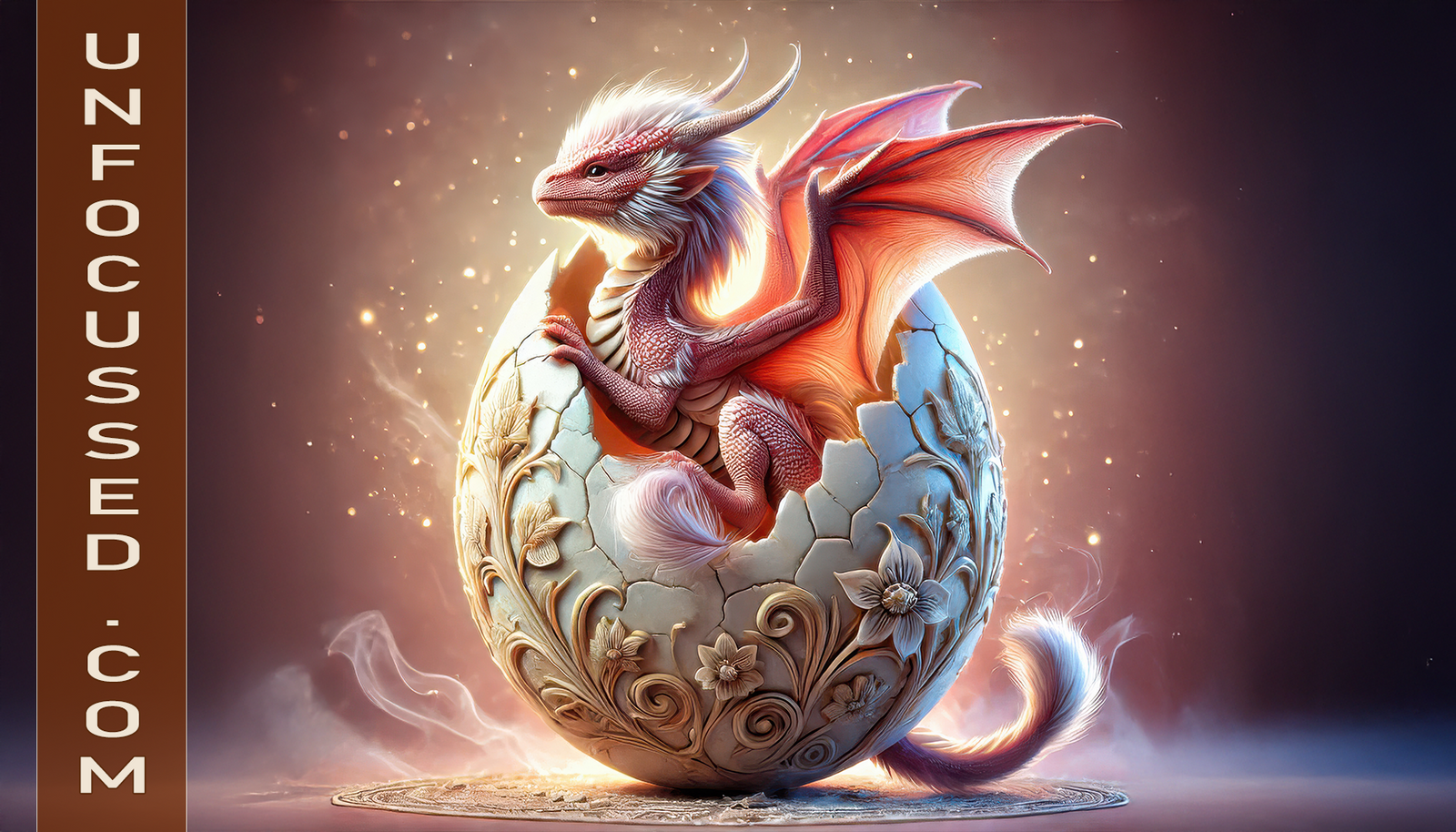
Celestial Dragon

Captured Tales

View

The Leviathan of Crimson Fins

by Bill Tiepelman

The Leviathan of Crimson Fins

The Contract, the Boat, and the Bad Idea I signed the contract the way every bad adventure begins: with a cheap pen, a good whiskey, and a promise I absolutely should not have believed. The client wanted “one clean, frame-worthy, trophy-shot of a sea dragon breaching at golden hour—preferably with the fins backlit so the crimson pops.” In other words, they wanted the impossible. Also in other words, they wanted what I live for. Our boat—if you could call a grudging pile of bolted-together aluminum a boat—was The Indecision, and she creaked like a pirate’s knees. The crew was a handpicked circus. There was Mae, a marine biologist who moonlights as a sarcastic influencer (“Like and subscribe if you survive,” she said, deadpan, every time the deck tilted). There was Gus, a retired lighthouse keeper who’d seen enough storms to tsk at thunder and call it “atmosphere.” There was Scupper, a cat who never paid rent and absolutely ran the place. And there was me—the photographer who chases the kind of leviathan artwork that makes people mortgage walls to hang it on. We idled over a trench known on maps as the Cerulean Drop and in sailor gossip as Don’t. It was a bruise in the ocean, a perfect throat where currents swallowed ships, rumors, and occasionally an overeager documentary crew. My drones skimmed the waves like patient gulls, lenses hungry. The sky was bleached linen; the water was that heavy, iron-blue that means something ancient is thinking beneath it. “What are we even calling this thing?” Mae asked, fussing with a sensor array that looked suspiciously like a cookie tin strapped to a car battery. “Dragon? Serpent? Very large ‘nope’?” “The Leviathan of Crimson Fins,” I said, because you name the monster or it names you. “Ocean monster, apex myth, patron saint of bad decisions. And if we do this right, we turn it into fantasy wall art people whisper about from across the room.” Gus spat neatly into the scuppers. “You want whispering? Put a price on it.” Scupper meowed, which in cat means, you’re all idiots but I’m morally obligated to supervise. We set our trap, which was really more of an invitation. A crate of brined mackerel hung off the stern on a cable, swaying like a greasy chandelier. Mae swore by the scent profile. “Not bait,” she said, “just… an alert.” Sure. And my camera was “just” a high-speed confession booth where reality blurts out details in 1/8000th of a second. The trench breathed. The first signal was the light—gone flat, like a stage waiting for an actor. The second was heat: a soft exhale pushing up from thirty fathoms, frosting our lenses with humidity. The third was the sound: a distant churning, like cathedral doors grinding open under the sea. “Heads up,” Mae said, voice suddenly clean and professional. “Pressure shift.” Gus strapped in. “If it asks for our Wi-Fi, say no.” I checked the rig: twin stabilized gimbals; two primary cameras with glass fast enough to steal light from the gods; one custom housing that laughed at salt spray; and a backup sensor because I am unlucky, not stupid. I locked the focus plane where water becomes miracle—right at the skin of the sea, where everything important happens fast. On the monitor, my forward drone caught something like weather made of scales. Not a shape yet—more a rumor of geometry, patterns tiling and untangling, teal deepening to indigo, then flashing to ember as if a forge had opened underwater. “We’ve got movement,” I said. My voice did not shake. It quivered tastefully. The cable rattled. The mackerel crate jittered as if nervous about its life choices. The ocean lifted—not in a wave, but in a shrug—as if something vast were moving its shoulders beneath the surface. Mae inhaled. “Oh… wow.” I’ve seen whales breach like towns rising into the sky. I’ve watched a waterspout turn a horizon into a zipper. I’ve never seen intent like this. The sea dragon didn’t so much emerge as arrive—with the unbothered confidence of a storm or a billionaire. A horned brow cut the surface. Then an eye: gold, patient, and very much not impressed with us. The head that followed was architected in brutality, scaled in mosaics of copper-green and slate, every contour slick with the wet clarity that makes studio lights jealous. “Record. Record. Record.” I heard my own voice go stupid with awe. Shutter clatter became music. The hyper-realistic dragon in my viewfinder looked less like a legend and more like the ocean had decided to grow teeth and unionize. The dorsal fins surfaced next—those famous crimson fins—not simply red, but layered: ember at the roots, blood-orange in the membranes, and sunset right at the edges, where backlight turned them electric. The water loved those fins. It banded to them. It worshipped them in halos of spray. The droplets hung midair long enough to pose. Gus muttered, “That’s a church right there.” Mae was already taking readings with the kind of grin that makes tenure committees nervous. “Thermal spikes. Electromagnetic flutter. And… pheromone traces? Oh, that’s not great.” “Not great how?” I asked, eyes welded to the viewfinder, fingers dancing the exposure like a safecracker. “As in, we may have rung the dinner bell for two of them.” Scupper chose that moment to hiss at something no one could see. Cats always get the trailer before the movie. The dragon turned—slowly, with the bored drama of a queen acknowledging peasants—and noticed our crate. It extended a whiskered tongue, black as ship rope, and tasted the air with a sound like a violin string being plucked by thunder. Then it laughed. I swear to all six gods of the Gulf, it laughed—just a rasp, a chuckle made of old anchors and older appetites—but laughter, all the same. My camera caught that look: the cruel amusement, the lazy competence. The ocean guardian had decided we were entertainment. “Okay,” I said, “new plan: we don’t die, and we get a cover shot that sells out a thousand limited editions.” “Your plan is just adjectives,” Gus said. “Adjectives pay the fuel bill.” The dragon flowed closer, scales ticking like coins in a jar. Up this near, the details became a problem. There were too many: micro-ridges, healed scars, salt crystals clinging to the armored plates, tiny lichens (or were those symbiotic glow-worms?) threading faint bioluminescent veins through the membranes of those red sails. My lens, brave soldier, held the line. Then the ocean dropped three feet as something else displaced it. Mae’s monitors screamed. The surface behind the first dragon bulged, then fractured, as if the trench were spitting out a second opinion. “Told you,” Mae whispered. “Pheromones. Either a rival or a—” “Mate?” I finished, trying very hard not to picture how dragons date. “I am not licensed for that documentary.” Gus pointed with a hand that had steadied a lighthouse through hurricanes. “You two can argue taxonomy later. That one’s looking at our engine. That one’s looking at our camera. And neither of them blinks like something that respects warranties.” I toggled the burst rate to indecent and framed the shot of my life: the first dragon rising, jaws open in a roar that showed a cathedral of teeth; the second a darker ghost pushing the sea aside in a crown of foam; the horizon tilting like a stage set; a sky abruptly crowded with gulls who’d read the script and decided to improvise exits. Somewhere inside the panic, a part of me—the greedy, artistic, unfathomably stubborn part—did the math. If I waited one more beat, right as the primary broke full breach, the crimson would hit the sun at the perfect angle and the water would pearl along the fin like diamonds. That was the difference between a good shot and a print that makes rooms go quiet. “Hold…” I breathed, to the boat, the crew, the camera, the universe. “Hold for glory.” The ocean obeyed. It coiled, tensed, and exploded. The Leviathan came up like a missile wrapped in biology, every line razor, every scale readable, every drop a gemstone. The roar hit us a fraction later, a freight train made of choir. The fin flared—a curtain of crimson fire—and the sun, bless her dramatic heart, lit it like stained glass. I took the shot. And that’s when the second dragon surfaced directly off our stern, close enough to fog the lens with its breath, and gently—almost politely—bit the mackerel crate in half. The Shot That Cost a Hull The sound of the crate snapping was less “crunch” and more “financial catastrophe.” Half the bait disappeared into a jaw lined with teeth that could rent apartments in San Francisco. The other half bobbed sadly against the stern as if to say, you tried. Scupper leapt onto the cabin roof with the agility of someone who hadn’t co-signed a death wish and announced in cat-language, your deductible does not cover this. Mae’s instruments lit up like Vegas. “EM surge! Hull pressure spike! Oh, wow. That’s not physics anymore, that’s improv.” “Less readings, more surviving!” Gus barked, unspooling a line and clipping into the mast like he was back in a storm. “She’s gonna roll us if she sneezes.” The first dragon rose higher, body arcing with impossible grace, like a skyscraper pretending to be a fish. My lens was still glued to it. Water peeled off in sheets, catching the sun and painting rainbows across the fins. Every photo I snapped was pure fantasy dragon poster gold—images that galleries would bid for like hungry pirates. Every photo was also another nail in the coffin of our poor little boat. The second dragon wasn’t so much jealous as… practical. It inspected us with an eye the color of molten bronze. Then it tested our engine with a flick of its tongue. The engine, being mortal and carbureted, sputtered like a kid caught smoking. We weren’t moving unless the dragons approved. We had become their Netflix. Mae clutched her sensor tin. “They’re… they’re talking.” “Talking?” I said, too busy chimping my shots like an idiot to be alarmed. “Do we want subtitles?” “Not words. Pulses. They’re pinging each other with bioelectric bursts. One is dominant. The other’s… negotiating?” She paused, frowned, then added with dry menace: “Or foreplay. Hard to tell.” Gus muttered, “I didn’t sign up for National Geographic After Dark.” The boat lurched sideways as the second dragon nuzzled the stern with its snout. I know people romanticize sea monsters. They imagine scales like armor and faces like statues. Up close, though? It smelled like old kelp and ozone, and the hide wasn’t smooth at all—it was ridged, barnacled, scarred. History written in tissue. A camera lens makes it gorgeous. A human nose makes it survival horror. “Back it off!” Gus yelled, thumping the hull with a gaff hook like he was shooing a drunk walrus. “This tub ain’t rated for dragon cuddles!” I fired my shutter again and again, ignoring the sting of salt spray in my eyes. These were the epic sea creature shots that would hang over fireplaces, that would anchor collectors’ living rooms, that would make curators whisper who the hell got this close? I was already imagining the fine art catalogues: ‘The Leviathan of Crimson Fins,’ limited edition of 50, signed and numbered, comes with a notarized affidavit that the photographer was an idiot with good reflexes. Mae’s monitors screamed. “Guys! Electromagnetic discharge building in the dorsal fins. If this thing sneezes lightning, our cameras are toast.” “Or,” I said, framing the perfect shot of backlit crimson membranes swelling with static, “our cameras are legendary.” “You’re deranged.” “Visionary,” I corrected. The first dragon bellowed. The sound slapped the air itself into submission. Birds detonated from the sky in every direction. The horizon staggered. My stern drone caught the shot: two dragons in the same frame, one rearing with fins blazing like stained glass, the other circling close to our fragile deck, water hissing around its massive shoulders. A composition you could only get if you were suicidal or extremely lucky. I was both. Then the hull cracked. It wasn’t dramatic at first. Just a sound like ice fracturing on a winter lake. But every sailor knows that noise. It’s the universe whispering: you gambled too hard, kid. “We’re taking water!” Gus barked, already knee-deep in foam. He kicked the bilge pump awake, but it coughed like a smoker. “Ain’t gonna keep up if they keep hugging.” Mae looked up from her tin. “If they’re courting, this is the part where they display dominance.” “Define dominance,” I said, even though I knew. Oh, I knew. “Breaching duel,” she said flatly. “They’ll take turns leaping until one backs down. Guess what’s directly in their splash zone?” Scupper yowled, then retreated below deck, proving he was the smartest of us. The sea bulged again. One dragon plunged deep, dragging a wake that spun us sideways. The other rose, fins outspread like cathedral windows, then slammed down into the trench with a force that kicked our boat skyward. For one weightless moment I hung in the air, camera still clicking like an addict’s lighter, framing the impossible. Spray turned into shattered glass all around us. The horizon somersaulted. And then—inevitably—gravity collected its debt. We crashed back onto the sea with enough force to throw Gus across the deck. Mae screamed, not in fear, but in sheer scientific ecstasy. “Yes! YES! Data points! I’m going to publish so hard!” Water poured over the gunwales. My gear clanged. My cameras survived—miracle of miracles—but the boat was coughing its last prayers. The second dragon surfaced again, close enough to fog my lens with its steaming breath, and nudged us like a curious cat toy. Its eye locked on mine. Ancient. Playful. Predatory. And I realized in one sickening, thrilling instant: We weren’t observers anymore. We were part of the ritual. And the ritual wasn’t close to finished. The Baptism of Fools The boat was no longer a boat. It was a prop in somebody else’s opera. We bobbed in the froth between two dragons staging a thunderous love-hate courtship ritual, and every splash came with a side order of “there goes your insurance premium.” The first dragon, the one I’d already christened The Leviathan of Crimson Fins, launched into another breach that would’ve made Poseidon clap politely. It soared like a skyscraper in rebellion, fins ablaze with sunlight. I caught the exact frame: water exploding, teeth gleaming, scales refracting every color a paint store could dream up. A shot worth careers. A shot worth drowning for. Which was convenient, because drowning seemed imminent. The second dragon, not to be outdone, coiled under our stern and erupted sideways. The wave it threw wasn’t a wave at all—it was a wet apocalypse. The Indecision lifted, twisted, and for a few glorious seconds we were flying, boat and all. Gus roared curses so colorful they probably offended Poseidon personally. Mae clutched her tin and screamed, “YES! MORE DATA!” like she was mainlining chaos. Scupper yowled from the cabin in tones that translated roughly to, I did not vote for this cruise line. My cameras clattered around me as I straddled the deck, clicking wildly, chasing glory while the ocean demanded sacrifice. I knew these frames would be legendary dragon artwork, but in the back of my head another thought sharpened: don’t let the SD cards die with you. The dragons circled each other, slamming the sea like dueling gods. Every pass painted the water with streaks of foam, every roar carved the air into panic. Their massive bodies locked in spirals that dragged whirlpools open beneath them. The trench below seethed. The pressure shifted so hard my ears rang. The ocean wasn’t water anymore—it was stage lighting for monsters. And then they both went still. Not calm. Still. Hanging in the water, fins flared, eyes glowing with the judgment of creatures who’ve seen continents drown and continents rise again. The silence was worse than the noise. Even the gulls had stopped fleeing. For a heartbeat, the world forgot how to breathe. Then, as if choreographed, both dragons exhaled jets of steam so hot they scorched the salt from the air. Mae’s instruments fried in her hands with a sad little pop. Gus crossed himself with one hand while jamming a bilge pump lever with the other. Scupper padded up, sat in the middle of the chaos, and calmly licked his paw. Cats are contractually immune to existential dread. The dragons’ heads dipped toward us—closer, closer—until two golden eyes the size of portholes stared directly into mine. I swear they could see every stupid decision I’d ever made, every bill I’d ducked, every ex I’d ghosted. They knew I was here for the picture, not the wisdom. And then—just as my bladder politely suggested we evacuate—they blinked, as if to say: Fine. You’re amusing. You may leave. Both leviathans dived at once, slipping back into the abyss with a grace that mocked gravity itself. The sea rolled over their passing, flattening into a bruised calm. No trace left. No evidence. Just me, three lunatics, one damp cat, and a hull screaming for retirement. Mae finally broke the silence. “So, uh… round two tomorrow?” Gus threw his cap at her. “Round two my ass. This boat’s held together with duct tape and spite!” Scupper sneezed, unimpressed. I sat back, waterlogged, shaking, delirious with the high of it all. My cameras had survived. The cards were full. And when I flicked through the previews, my breath caught. The shots were everything I’d dreamed of: crimson fins lit like stained glass, teeth framed against the horizon, sprays of diamonds frozen midair. Proof that ocean mythology isn’t dead—it’s just very picky about photographers. I grinned through salt-stung lips. “Ladies and gentlemen, we just baptized ourselves in legend.” “And almost died doing it,” Mae muttered. “Details,” I said. “Adjectives pay the fuel bill.” Behind us, the horizon brooded, as if waiting for the next round. I didn’t care. For now, I had the crown jewel: The Leviathan of Crimson Fins, captured in all its feral majesty. People would whisper about these prints, hang them like relics, buy them as if owning one meant you’d faced the ocean’s oldest trick and lived. Which, against every odd, we had. Of course, the boat was sinking, but that’s another invoice.     Bring the Legend Home “The Leviathan of Crimson Fins” wasn’t just an adventure—it became an image worthy of immortality. Now you can bring that same feral majesty into your own space. Whether you want a bold centerpiece or a subtle reminder of oceanic legend, the Leviathan translates beautifully into curated art products designed to inspire awe every time you see them. For collectors and décor lovers, the framed print or acrylic print offer museum-quality presentation, capturing every crisp detail of the dragon’s scales and fins. For those who like to puzzle over mysteries (literally), the jigsaw puzzle lets you relive the chaos of the breach one piece at a time. On the go? Carry a touch of myth with you using the tote bag, perfect for daily adventures, or keep your essentials in a sleek zippered pouch that turns practicality into legend. Each product is more than just merchandise—it’s a piece of the story, a way to hold onto the wild thrill of witnessing a sea dragon rise from the deep. Own your part of the adventure today.

Read more

Azure Eyes of the Celestial Dragon

by Bill Tiepelman

Azure Eyes of the Celestial Dragon

In a galaxy not too far away, on a planet called Luminaris—a place that looked like an interstellar disco ball on acid—there hatched a peculiar baby dragon. His name? Glitterwing the Fourth. Not because there were three dragons before him (there weren’t), but because his mother, Queen Frostmaw the Shimmering, had a flair for drama and thought numbers made things sound royal. Glitterwing, however, had other opinions. He liked his nickname better: Steve. Steve's Grand Entrance Steve’s birth wasn’t exactly a serene, mystical moment. He cracked out of his egg with all the grace of a squirrel on caffeine, flailing his tiny limbs, his metallic scales catching the light like a disco ball having an existential crisis. His first words weren’t poetic, either. They were something along the lines of, “Ugh, this light is awful, and what is that smell?!” From the moment he hatched, Steve had one glaringly unique feature: his impossibly large, strikingly blue eyes. While most dragon hatchlings looked like a mix between a kitten and a medieval weapon, Steve looked like a giant plush toy with an attitude problem. He immediately became the center of attention in the dragon kingdom, which, as you can imagine, annoyed him to no end. “Can we all stop gawking like I’m the last pastry at the buffet? I’m just a dragon, not a fireworks display.” Destined for Greatness? Nah, Just Hungry. The elders of the dragon council, a group of ancient reptiles who spent most of their time arguing about whose hoard was shinier, declared that Steve was destined for greatness. “His scales glitter like the stars, and his eyes pierce the soul!” they proclaimed. Steve, however, had other plans. “Cool story, Grandpa, but does greatness come with snacks? Because I’m starving.” Steve quickly developed a reputation for his biting wit and his insatiable appetite. While most dragons his age were practicing fire breathing, Steve was perfecting the art of sarcastic commentary. “Oh, look, another fire-breathing competition. How original. Why don’t we try something new, like, I don’t know, competitive napping?” The Misadventures Begin Steve’s snarky attitude didn’t exactly make him popular with his peers. One particularly jealous dragonling, Blaze, challenged him to a duel. “Prepare to meet your doom, Glitterwing!” Blaze roared. Steve didn’t even flinch. “Okay, but can we schedule this after lunch? I have priorities.” When the duel finally happened, Steve won—not with strength, but by making Blaze laugh so hard he fell over and rolled into a pile of mud. “See? Humor is the real weapon,” Steve said, polishing his claws nonchalantly. Despite his reluctance, Steve’s fame grew. Adventurers from distant lands came to see the "Celestial Dragon" with the sapphire eyes. Steve found this both flattering and exhausting. “Great, another group of humans pointing sticks at me and calling them ‘weapons.’ Can someone at least bring me a sandwich this time?” The Day Steve Saved the Kingdom (Accidentally) Steve’s most famous misadventure occurred when a rival kingdom sent a group of knights to steal the dragons' treasures. While the other dragons were busy preparing for battle, Steve was busy eating his weight in moonberries. The knights stormed into the dragon cave, only to find Steve lounging on a pile of gold. “Oh, look, more tin cans. What do you guys want? Directions to the nearest McDragon’s?” The knights, thinking Steve’s enormous eyes and shimmering scales were some sort of godly warning, panicked. One knight screamed, “It’s the divine dragon of doom!” and fled. The others followed, tripping over each other in their haste. Steve blinked, confused. “Wait, that worked? Huh. Maybe I am destined for greatness. Or maybe they just didn’t want to deal with a dragon who looks like he hasn’t slept in weeks.” The Legend Lives On These days, Steve spends his time napping on his hoard (which mostly consists of shiny rocks and discarded armor) and coming up with increasingly sarcastic remarks for nosy adventurers. He’s still the talk of the kingdom, much to his annoyance. “I’m not a hero,” he insists. “I’m just a dragon who happens to look fabulous.” But deep down, Steve enjoys the attention—just a little. After all, who wouldn’t want to be a glittering icon with piercing azure eyes and a knack for making knights wet their pants?     Bring Steve Home: Celestial Dragon-Inspired Products Can't get enough of Steve's snarky charm and shimmering brilliance? Now, you can bring a piece of his celestial magic into your own home with these exclusive products: Dragon Tapestry: Adorn your walls with Steve’s radiant glory, perfect for transforming any room into a mystical lair. Canvas Print: A high-quality art piece showcasing Steve’s celestial aura, ideal for dragon lovers and fantasy enthusiasts. Throw Pillow: Cozy up with Steve’s enchanting presence, a whimsical addition to your living space. Dragon Puzzle: Piece together Steve’s mesmerizing features with this fun and challenging puzzle, perfect for quiet evenings or dragon-loving gatherings. Embrace the magic of the celestial dragon and let Steve’s legacy light up your life—one sparkling scale at a time.

Read more

A Dragon's First Breath

by Bill Tiepelman

A Dragon's First Breath

There are few things more awe-inspiring than the birth of a legend. But legends, much like dragons, rarely come into the world quietly. The egg sat atop a pedestal of stone, its surface a masterpiece of ornate carvings that seemed less the work of time and more of an artisan with a penchant for beauty and whimsy. Vines of delicate flowers and swirls wrapped around the shell, as though nature itself had decided to protect the treasure within. The room was silent, save for the faint hum of magic that pulsed in the air—an ancient rhythm, slow and steady, as though the world itself was holding its breath. Then it happened. A crack. It started as a whisper of sound, the faintest of clicks, as a single hairline fracture split the surface of the egg. From the fracture, a soft, golden light began to seep out, illuminating the chamber in a warm, ethereal glow. The crack widened, and then, with a sudden burst of force, a claw—tiny, yet unmistakably sharp—pierced through the shell. “Well, it’s about time,” muttered a voice from the shadows. The speaker, an ancient wizard with a beard that had seen too many years and a robe that had seen too few washes, stepped closer to the egg. “Three centuries of waiting, and you decide to make your entrance while I’m mid-breakfast. Typical dragon timing.” The dragon paid no attention to the wizard’s grumbles. Its focus was singular and instinctual—freedom. Another claw broke through the shell, followed by a delicate snout covered in shimmering pink and white scales. With a final push, the dragonling emerged, wings unfurling in a spray of golden dust. It blinked once, twice, its eyes wide and filled with the kind of wonder only the truly newborn can possess. “Ah, there you are,” the wizard said, his tone softening despite himself. “A little smaller than I expected, but I suppose even dragons have to start somewhere.” He squinted at the dragon, who was now inspecting its surroundings with a mixture of curiosity and mild disdain, as though unimpressed by the wizard’s décor. “Don’t look at me like that. You’re lucky you hatched here and not in some bandit’s den. This place has history!” The dragon sneezed, and a small puff of smoke escaped its nostrils. The wizard took a hasty step back. “Right, no need to start with the fire. We’ll get to that later,” he muttered, waving the smoke away. “Let’s see, you’ll need a name. Something grand, something that strikes fear into the hearts of your enemies—or at least makes the villagers less likely to throw rocks at you. How about… Flameheart?” The dragon tilted its head, unimpressed. “Alright, fine. Too cliché. What about… Blossom?” The dragon snorted, and a tiny ember landed dangerously close to the wizard’s robe. “Alright, alright! No need to be dramatic. How about Auriel? A bit of elegance, a touch of mystery. Yes, you look like an Auriel.” Auriel, as though considering the name, stretched its wings wide. They glimmered in the golden light, a tapestry of soft hues that seemed to shift and shimmer with every movement. For a moment, even the wizard was struck silent. The dragon, barely the size of a housecat, somehow commanded the room with the presence of something far greater. It was as though the universe itself had paused to acknowledge this small but significant life. “You’ll do great things,” the wizard said softly, his voice filled with a rare sincerity. “But not today. Today, you eat, you sleep, and you figure out how to fly without breaking everything in sight.” As if in agreement, Auriel let out a tiny roar—a sound that was equal parts adorable and pitifully small. The wizard chuckled, a deep, hearty laugh that echoed through the chamber. For the first time in centuries, he felt hope. Not the fleeting kind that comes and goes with a passing thought, but the deep, unshakable kind that settles in the bones and refuses to leave. “Come on then,” the wizard said, turning toward the doorway. “Let’s get you some food. And for the love of magic, try not to set anything on fire.” The dragon trotted after him, its steps light but full of purpose. Behind them, the shattered egg lay forgotten, its ornate shell a silent testament to the beginning of something extraordinary. As they left the chamber, a golden light lingered in the air, as though the magic itself knew that this was no ordinary day. Legends, after all, are not born; they are made. But every legend begins somewhere. And for Auriel, it began here, with a crack, a breath, and the promise of a world yet to be conquered.    Bring "A Dragon's First Breath" Into Your Home Capture the magic and wonder of Auriel's journey with stunning products that showcase this enchanting artwork. Whether you're looking to decorate your home or carry a piece of fantasy with you, we've got you covered: Tapestry - Transform your walls with the majestic glow of this magical dragon. Canvas Print - Bring the legend to life with a premium-quality canvas that exudes elegance. Throw Pillow - Add a touch of mythical charm to your living space with this cozy, decorative piece. Tote Bag - Carry the magic with you wherever you go with this stylish and durable tote bag. Each item is crafted with care and designed to bring the story of "A Dragon's First Breath" to life in your everyday world. Explore these products and more at Unfocussed Shop.

Read more

Celestial Coil: Guardian of the Winter Skies

by Bill Tiepelman

Celestial Coil: Guardian of the Winter Skies

In a realm where time curled like smoke and the stars hummed old, forgotten songs, there existed a dragon unlike any other. This dragon, coiled in eternal slumber, was not of fire or fury, but of frost and quietude. His name, known only to the winds and whispered by the stars, was Kaelthys, the Guardian of the Winter Skies. And though Kaelthys dreamed, his presence was felt across the realms—a subtle force of frozen majesty, keeping balance between the chaos of the storm and the serenity of the snowflake. The cosmos was his cradle, a swirling blanket of stars and celestial mist that danced around his sleek, glimmering form. His scales shimmered like fractured ice, catching and reflecting the soft glow of distant galaxies, each one a testament to the timeless power he wielded. Yet, Kaelthys did not crave power. No, he had long ago decided that the universe had enough of that. Instead, his duty was far more profound: to protect the dreamers. The Guardian’s Slumber Now, you might be wondering, what exactly does a dragon of the winter skies dream about? Certainly not knights, maidens, or treasure chests overflowing with gold. That was the concern of dragons of fire and greed. Kaelthys, however, was a dragon of the stars and snow. He dreamt of the stillness between snowflakes, the gentle hush before a blizzard, and the icy kiss of the northern wind. He dreamt of moments when the world held its breath, wrapped in a soft, frozen silence. But above all, Kaelthys dreamt of the beings who wandered beneath him. The dreamers. Those curious souls, often wrapped in woolen coats, braving the winter chill to gaze up at the night sky, wondering what lay beyond. Kaelthys loved the dreamers—those who dared to believe in something more. And so, with each breath of his long slumber, he guided the stars to shimmer a little brighter, nudged the constellations into new formations, just to keep the dreamers’ imaginations alive. Of course, Kaelthys’s dreams were not without their quirks. Sometimes, in the midst of all this cosmic majesty, he would dream about more peculiar things, like misplaced mittens. There was an entire section of his mind dedicated to missing winter apparel—hats, scarves, gloves—all whisked away by the mischievous winter winds. “It’s not my fault,” Kaelthys often muttered in his sleep. “The wind has a mind of its own.” Indeed, if there was one lesson the Guardian of the Winter Skies had learned, it was that nature—especially winter—could be whimsically unpredictable. Winter’s Whims and Cosmic Winks The unpredictability of winter was something that Kaelthys cherished. He loved the way snowflakes could fall with precision but still land in chaotic little piles. The way icicles formed delicate daggers, only to drip away under the first kiss of sunlight. It was these little contradictions that made winter magical, and Kaelthys, in his infinite age, still marveled at them. But winter had a sense of humor too, and Kaelthys knew this all too well. He had witnessed it through centuries of winter festivals, snowball fights, and ice-skating mishaps. Once, in a particularly lucid dream, he had nudged a comet just slightly off course to make it look like a falling star. That night, dozens of wishes had been made by wide-eyed children and wistful adults alike, all hoping for something magical. Kaelthys had chuckled in his sleep. He didn’t grant the wishes, of course—he wasn’t that kind of dragon—but he liked the idea of sparking hope, even if it was by accident. Winter, as Kaelthys understood it, wasn’t about harshness or coldness. It was about the moments of stillness in between—the laughter carried on frosty breaths, the warmth of gathering around fires, and the wonder of looking up at a sky filled with stars. His role was to protect that magic, to ensure that the winter skies remained a place of mystery and wonder. Guarding the Dreamers Though he slept, Kaelthys was always aware of the world below. Sometimes, on the longest winter nights, he would stir just enough to let out a soft breath, sending a fresh wave of snow across mountain peaks or turning the night sky a deeper shade of blue. It wasn’t much—just a little nudge to remind the dreamers that magic was still out there, somewhere, waiting to be found. One evening, as Kaelthys lay wrapped in his celestial coil, a particularly cold gust of wind brought with it a stray thought from a wandering human. The thought was curious and light, like a snowflake in a gust of wind: “Do dragons still exist?” it asked, full of wonder. Kaelthys, amused, shifted slightly in his sleep. A single, luminous scale drifted off his body, carried by the wind, and floated down to earth, landing on a frozen lake where it twinkled in the moonlight. A child, bundled in too many layers of clothing, spotted the shimmering scale. Wide-eyed, she bent down to pick it up, cradling it in her mittened hands. “It’s magic,” she whispered to herself, tucking the scale into her pocket. She didn’t know where it had come from, but in that moment, she believed in something bigger than herself. Something grand and magical, hidden just beyond the stars. Kaelthys, still half-asleep, smiled inwardly. He might not be able to grant wishes, but he could at least leave a little piece of wonder behind now and then. The Endless Winter Sky As Kaelthys drifted deeper into his slumber, the stars above began to shift, swirling in patterns only he could command. A new constellation appeared—an elegant dragon, coiled in the heavens, watching over the winter night. Those who gazed up at the sky that evening would later speak of the unusual brightness in the stars, the way they seemed to tell a story all their own. But Kaelthys wasn’t concerned with stories or legends. He was content in his role as the silent guardian, watching over the dreamers below. His slumber was eternal, but so too was the magic of winter, a season that held its own kind of warmth and wonder. And so, under the vast, star-strewn sky, Kaelthys slept—serenely, peacefully, knowing that as long as the dreamers believed, the magic of the winter skies would never fade. For the dreamers would always look up, their breaths fogging in the cold night air, and wonder at the stars. And maybe, just maybe, they would catch a glimpse of the sleeping dragon, coiled among the constellations, guarding the magic of winter from his celestial perch.     Bring the Magic of the Winter Skies Home Inspired by Kaelthys, the Guardian of the Winter Skies, you can now bring a touch of that celestial beauty into your own space. Whether you're curling up on a cold winter night or looking to add a bit of cosmic magic to your decor, we’ve curated a selection of enchanting products that capture the essence of this frosty dragon’s world: Celestial Coil Throw Pillow – Add a splash of cosmic elegance to your couch or bed with this striking throw pillow, featuring the intricate and serene form of Kaelthys, wrapped in his frosty coil. Celestial Coil Fleece Blanket – Snuggle up under the stars with this soft fleece blanket, perfect for cold winter nights when you want to be wrapped in the same magic that Kaelthys protects. Celestial Coil Tote Bag – Carry a piece of the winter sky wherever you go with this stylish tote bag, featuring the captivating image of the Guardian of the Winter Skies. Celestial Coil Tapestry – Transform your space with this vibrant tapestry, showcasing the mystical beauty of Kaelthys, the frost dragon, coiled amidst the stars. Hang it in your home to inspire wonder and tranquility. Celestial Coil Cross-Stitch Pattern – Bring Kaelthys to life with your own hands using this detailed cross-stitch pattern, perfect for crafters who love celestial designs. Each product is designed to bring the magic and serenity of the winter skies into your life, a perfect reminder of the quiet majesty that Kaelthys guards in his eternal slumber. Explore more enchanting designs and bring home the magic at Unfocussed Shop.

Read more

The Ascension of the Cosmic Serpent

by Bill Tiepelman

The Ascension of the Cosmic Serpent

In the vast ocean of stars, a legend whispered through the cosmos about a majestic dragon, the keeper of ancient wisdom and guardian of the celestial balance. Known as Seraphina, she dwelled where time and space converged into the endless dance of creation and destruction. Once every millennium, Seraphina embarked on a sacred pilgrimage, aligning her spirit with the chakras of the universe. It was said that her journey through the astral plane catalyzed an era of harmony, a time when the stars sang and the planets danced in celestial symphony. The moment had come once again. Seraphina unfurled her ethereal wings, each feather woven from the fabric of nebulas, and began her ascent. The chakras along her spine ignited, from the grounding red of the base to the transcendent violet at her crown, forming a vibrant column of healing energy. As she rose, her presence weaved the cosmic energies into a tapestry of light and shadow, each movement a stroke of divine intention. She passed through constellations and nebulae, her scales reflecting the myriad colors of worlds unknown. Below, the sentient beings of a thousand worlds paused, feeling the subtle shift, a soothing calm that settled in their souls. In her wake, Seraphina left a trail of stardust, infusing the cosmos with a renewed sense of peace. And so, the legend continued, a tale of the dragon whose ascent promised the dawning of balance, a beacon for those who sought guidance among the stars. For in the heart of the universe, Seraphina's flight was more than myth; it was the eternal pulse of cosmic harmony. Amidst the cosmic seas, where the tapestry of creation billowed in the silent expanse, the legend of Seraphina, the Cosmic Serpent, was the symphony that orchestrated the ebb and flow of celestial tides. Her being was woven from the very essence of the cosmos, the alchemy of stars at her core, the void of space in her breath. At the dawn of the millennium, as ancient as the universe itself, Seraphina began her transcendent ritual. Her ascent was the call that bound the stars, the invocation that breathed life into the dance of the cosmos. Each of her chakras, a beacon of pure energy, blazed a path through the dark, an iridescent trail of enlightenment that spanned galaxies. The red at the base of her celestial spine, deep and vibrant, pulsed with the force of creation, igniting the primal energies that are the foundation of existence. Ascending from orange to indigo, each color unfolded the layers of the universe's boundless dimensions, unfolding the petals of cosmic consciousness. With the violet light at the crown of her being, Seraphina transcended the physical plane, her spirit merging with the infinite. She was the architect of destinies, the weaver of fates, each wingbeat a stroke of destiny's brush upon the canvas of time. Through the vastness, her form glided, a celestial serpent with the wisdom of eons in her eyes. Her scales shimmered with the light of a thousand suns, and in her wake, the harmonies of the universe swelled to a chorus of pure existence. The beings that gazed upon her ascent found themselves touched by a profound tranquility, their spirits lifted on the currents of Seraphina’s passage. Civilizations paused, societies reflected, and hearts across the cosmos synchronized with the beat of her ethereal heart. Seraphina’s ascent was not simply a journey; it was the rekindling of the cosmic fire, the harmonization of all dissonance, the reminder that in the vast, often indifferent universe, there was beauty, there was order, and there was hope. As the legends say, to witness the Ascension of the Cosmic Serpent is to witness the unity of all things, the sacred geometry that is the foundation of all that was, is, and ever will be. It is to understand that in the spiraling depths of the universe's soul, there lies a serenity that surpasses all understanding, brought forth by the wings and will of Seraphina, the Cosmic Serpent.     In the infinite expanse where the cosmic serpent, Seraphina, weaves the fabric of the universe, her legend lives on, echoing across the void and into the hearts of those drawn to the mysteries of the cosmos. The marvel of her ascension, a dance of divine energy and celestial grace, can now be captured and cherished in a constellation of keepsakes that resonate with her spirit. For those with a penchant for the meditative art of stitching, the Ascension of the Cosmic Serpent Cross-Stitch Pattern offers a gateway to mindfulness. Each thread and color is a step on a journey through the astral plane, aligning with the chakras of Seraphina’s cosmic path, creating an interstellar tapestry that thrums with the essence of harmony and enlightenment. The Ascension of the Cosmic Serpent Poster transforms any space into a sanctuary of cosmic contemplation. Adorning your wall, it serves as a window into the universe, a daily invitation to gaze upon the splendor of the celestial serpent and draw inspiration from her journey through the stars. Sending a message etched with the wisdom of the ages is a precious gift. The Ascension of the Cosmic Serpent Greeting Card is more than a mere card; it’s a vessel for your thoughts, carrying the vibrancy of Seraphina’s pilgrimage across galaxies to the hands of a loved one. Note-takers and dreamers can ensconce their thoughts in the Ascension of the Cosmic Serpent Spiral Notebook. Each scribble and sketch becomes part of a grander narrative, a personal dialogue with the cosmos, nestled among the pages graced with the image of the ascendant dragon. Lastly, for those who wish to carry a fragment of the cosmos with them, the Ascension of the Cosmic Serpent Sticker is a spark of celestial magic. Affix it to your belongings and let it be a constant emblem of the unity and serenity that Seraphina’s ascent embodies. Each product is a tribute to the tale of Seraphina, a chance to hold a piece of the universe's soul in your hands, a reminder of the beauty, order, and harmony that the Cosmic Serpent heralds in her wake.

Read more

An Epic Chess Match

by Bill Tiepelman

An Epic Chess Match

Openings & Omens The hall was quiet enough to hear dust thinking. Candles guttered in iron sconces, licking shadows up the stone like black cats climbing drapes. On one side of the carved table sat a weathered wizard in red embroidered robes, the scarlet stitched with constellations that only appear when the moon is feeling dramatic. Opposite him perched a purple-scaled dragon whose wings arched like cathedral glass—amethyst membranes, bronze-veined struts, and the faint scent of thunder. Between them: sixty-four squares of destiny. No fireballs. No staff twirling. Tonight, as the bards would later murmur with questionable rhythm, it was wizard chess vs dragon chess, mind vs myth, silence vs heartbeat. “You know they named an opening after me,” the dragon said, baring a grin of jeweled razors. “The Dragon in the Sicilian. Very flattering. Very accurate. Lots of… heat.” “I prefer the quiet lines,” the wizard said, voice mild as deep water. He adjusted his beard like a general furling a banner and set a pawn forward with two fingers, as if delivering a sermon to a very small congregation. The pawn trembled, lit from within, and left a faint trail of red sparks. The enchantments stirred—tonight’s match had terms. If the wizard lost, the city’s Wards of Welcome—spells that turned hostile armies into confused tourists—would collapse for a year and a day. If the dragon lost, he would release the Hoard of Remembering, a vault of stolen memories that made heroes forget where they left their courage and poets misplace their nouns. The dragon pinched his d-pawn delicately, a surgeon handling a dangerous truth. “Open center, open skies,” he purred, advancing it to meet the challenge. As it landed, the board breathed frost. Behind the pieces, tiny storms formed—clouds the size of thimbles haunted by thunders the size of commas. This was epic fantasy realism, but with rules. Every move translated into a phenomenon in the margins of reality; blunders broke things; brilliancies repaired them and sometimes left them better than they began. On the third move, the wizard’s knight leapt—literally—clearing the board in an arc of crimson embroidery, landing with a satisfying tock on f3. A little red fox of light scampered along the file and curled around the knight’s base. “Companion,” the wizard murmured, as if speaking to an old dog who knew the secret name of thunder. The dragon responded with a bishop that slithered along the diagonal like a thought you were trying to ignore. “You smell like libraries,” he said. “And old tea. And victory speeches rehearsed in bathrooms.” “Projection,” the wizard said, eyes twinkling. He nudged a pawn, castling the future behind the idea of safety. The carved king slid two squares and the rook leapt over like a polite acrobat. Every piece in this enchanted chess game wore its own personality: the rooks resembled lion-faced bastions; the bishops were double-edged prayers; the queen looked suspiciously like someone you’d fall in love with while making a terrible decision. They traded in the language of tempo and threat. Pawns evaporated into moths of smoke. A captured knight blossomed into a wooden rose that immediately caught fire and refused to be impressed about it. The strategic fantasy art of the board drew them tighter and tighter. The wizard’s robe hem whispered across the flagstones like falling leaves; the dragon’s wings rustled in microbeats that set the candle flames nodding along, a tiny audience at a very exclusive concert. “Why do you hide your tail?” the wizard asked casually, eyes on the squares, as if discussing rain with a storm. The dragon’s coils shifted, revealing exactly nothing. “Old wager,” the dragon said. “Lost it to a poet who threatened to rhyme ‘amethyst’ with ‘can’t resist.’ I removed the temptation.” He moved a knight with ridiculous grace. Check. Not dangerous—more like an eyebrow raised across a crowded room. The wizard parried, a soft move with sharp teeth. Their conversation braided humor with hunger; both of them enjoyed the taste of pressure. The dragon’s pupils narrowed, then widened, like an ocean deciding whether to be calm or interesting. “You’re playing the man, not the board,” he said. “I’m playing the century,” the wizard replied. “You dragons think in ages; wizards think in edits.” He advanced a pawn that wasn’t quite a trap until you looked at it for the third time—then it was the only thing you could see. A mystical duel hummed under the table; the lion face on the pedestal squinted and seemed to consider a career change. The middle game hit like a drumline in a cathedral. Tactics exploded—pins, forks, discovered attacks—as if the rules had been waiting to be invited to a better party. The dragon sacrificed a bishop, and for a heartbeat the sconce flames blew horizontal, whispering whoa. The wizard accepted with a frown that would have made a thundercloud apologize. “Calculated,” he said. “Obviously,” the dragon replied, but a sliver of doubt slid between his scales. He tried a rook lift; the rook flexed, grew a balcony, and considered charging rent. The wizard’s queen pirouetted down a file, a flash of red silk, a rumor of perfume that smelled like cinnamon and impossible decisions at midnight. Epic chess artwork indeed—every square a stage light, every move a line read with devastating timing. Minutes stretched into an hour; an hour stretched into a legend doing yoga. Beyond the hall, the city slept under protective sigils like stitched gold thread across velvet. A wrong move would snag the fabric. The wizard rubbed a thumb across the table’s edge where the woodcarver had hidden a tiny face—their own face—open-mouthed in astonishment. He placed his knight on e5 with the tenderness of a last letter. “Anchored,” he said. “Immobilized,” the dragon countered, but his voice had softened. He enjoyed this—more than his hoards, more than the noise of accolades, more than the theatrical satisfaction of singeing a hero’s eyebrows. Here, with enchanted strategy humming and the wizard’s robe kinking in meaningful creases, he could pretend the world was a riddle that liked being solved. The board clarified like a confession. A skeleton of tactics appeared beneath the position: if the dragon pushed his g-pawn, a hurricane of possibilities would open; if the wizard drifted his queen to h5, the city would hear bells that no one had commissioned. The pressure compounded until breathing felt like a move you might regret. “You’re smiling,” the dragon said. “I can afford to,” the wizard replied. “You’re about to choose between greed and glory.” The dragon’s claw hovered over the black king. It was a strange intention—no one grabs the monarch this early unless they plan to do something eccentric or devastatingly beautiful. He lifted it—the candles went silent, which is a complicated thing for a flame to do—and set it down with a click that rolled through the hall like a prophecy remembering its lines. “Long’s the road that winds through pride,” the dragon murmured, a proverb from a species that measures afternoons in millennia. His wings tightened against his back; the bronze veins hummed. “Check.” The wizard did not look at the king. He looked at the dragon’s eyes. He saw a future branching like frost on glass: one path full of smoke and sirens, one path lined with red silk and relieved laughter. He smiled a second time—the quiet, unsettling smile of someone who knows where the trapdoor is because he installed it during renovations. He reached for a piece that no storyteller would expect and nudged it one square, not quite tender, not quite cruel. The board brightened. Outside, the wards breathed. Somewhere a poet lost and then found the right word for purple. “Your move,” the wizard whispered, and in the dragon’s throat a small storm rolled over, waking. The Middle Game Inferno The dragon’s talons lingered above the board, claws twitching like tuning forks that had been struck by thunder itself. His pupils narrowed to predatory slits, and then—slowly, as if the move carried the weight of a funeral procession—he advanced a rook. The square groaned beneath it. A vibration shot through the chamber, rattling loose mortar dust from the ceiling. The rook transformed into a miniature fortress bristling with ballistae, all aimed at the wizard’s fragile flank. “Now it begins,” the dragon said, voice like velvet lined with razors. A grin cracked across his scaled snout. “Your position smells… edible.” The wizard raised one wiry eyebrow and stroked his beard. “You’ve mistaken vulnerability for bait. Happens to rookies… and reptiles.” He tapped a pawn forward. It marched obediently, then blossomed into a tiny crimson phoenix that shrieked once, scattering sparks like angry applause. The hall darkened for a heartbeat, and then light rebounded, harsher and more eager, as though the walls themselves had realized they were watching history. The middle game burned like a heart-pounding symphony. Every capture detonated into consequence: pawns dissolved into clouds of bitter smoke; bishops screamed in Latin as they crumbled into ash; a knight exploded into a shower of silver coins that clattered across the table before evaporating into mist. Each outcome tugged at reality. Outside, the wards protecting the city flickered like candles in a storm. Windows rattled. Dogs woke. Babies dreamed of dragons they had never met. The dragon leaned close, breath hot enough to make the wizard’s beard quiver. “One false step, old man, and I’ll feast on your pawns like salted peanuts.” “You mistake me for cautious,” the wizard replied, pushing his queen into danger with the swagger of a gambler who bet rent money and won kingdoms. She landed with a pirouette, robe of carved obsidian flowing, eyes flashing red as a heartbeat. Check. The dragon’s scales rippled violet to indigo as he squinted at the position. “Brave. Or stupid. The difference is often decided in hindsight.” He snarled and hurled a bishop forward, snapping up a pawn with such ferocity that the board cracked down its diagonal like a lightning scar. The candles flared sideways, roaring like a football crowd. The wizard countered without hesitation, a rook slamming into place. The fortress unfurled, growing towers so tall that their shadows fell across the dragon’s wings. The wizard’s eyes gleamed. “You’ve built yourself a cage.” The dragon chuckled darkly. “You’ve mistaken architecture for prison.” His tail—well, the ghost of it, the absent space where it used to be—flicked with remembered menace. “Let me show you how dragons break walls.” The board convulsed as his queen, a beast of violet flame crowned in stormlight, swept across the diagonal. The sound was less a move and more an avalanche being persuaded to dance. The wizard’s rook screamed as it shattered, its towers imploding in on themselves with the tragic dignity of a city-state betrayed by poor urban planning. Pieces dwindled. The hall grew hotter, air thick with ozone and narrative tension. The wizard’s robe clung damply to his back; sweat gleamed on his brow, but his eyes never left the board. The dragon’s breathing deepened, cavernous, each exhale fogging the wizard’s spectacles. It was a battle of attrition now, neither willing to yield, both certain the other would blink first. “You feel that?” the wizard asked, voice quiet but sharp. “The wards outside are listening. They know the stakes. They want me to win.” “They want drama,” the dragon countered. “Win or lose, they’ll sing of me. Who sings of you, wizard, when you’re gone? Librarians?” He grinned savagely and advanced a pawn to promotion. It reached the back rank, transforming into a queen crowned with flame. “Now I have two.” The wizard exhaled slowly, as if blowing dust off a secret. He shifted a knight. The small wooden horse galloped with an audible neigh, landing on f7. The moment it struck, the world outside went silent. No wind, no creak of wood, no barking dogs. The silence of something terrifyingly clever about to happen. The dragon’s smug grin faltered. His tailbone twitched where the missing tail should have been. “That… is inconvenient.” The wizard’s lips curled into a smile sharp as shattered glass. “Oh no, my scaly friend. That’s checkmate, five moves deep. You just haven’t realized it yet.” For the first time, the dragon’s pupils dilated in fear. Not terror—dragons didn’t know that word—but the raw, stomach-souring suspicion that he had been outplayed. The torches leaned inward, straining to watch. The air quivered with epic suspense. The dragon’s claws scraped the wood. The wizard’s hands hovered over the board like a conductor about to drop a symphony into crescendo. And then, the wizard moved. One piece. One quiet, almost boring move that flipped the entire position upside down like a tavern table after a bad hand of cards. The dragon roared, shaking the chamber to its foundations. But inside his chest, beneath all the bravado and flame, he already knew: the endgame was coming, and it did not belong to him. The Endgame Reckoning The dragon’s roar cracked the hall like thunder smashing a cathedral bell. Dust rained down from rafters carved centuries earlier by monks who never imagined their woodworking would one day witness such a spectacle. The chessboard quivered, its squares glowing red and violet, as if fire and lightning had agreed on shared custody. And still, the wizard sat perfectly still, red robes draped like a sermon waiting to be delivered, eyes glinting with the kind of joy usually reserved for well-aged wine and a particularly devastating punchline. “You cornered yourself,” the wizard said softly. “Your queen’s too greedy, your pawns too ambitious, your rook too sentimental.” He nudged a knight forward. A shimmer of scarlet lightning exploded across the diagonal. Check. The dragon growled low, a sound like mountains grinding teeth. His claws twitched, his mind ran calculations. Twenty variations, forty, a hundred. Each ended the same: with his king caged, hunted, and slain by logic sharper than any sword. “Impossible,” he hissed. “I am ancient. I’ve outlived empires. I’ve gambled souls and bartered suns.” “Perhaps,” the wizard murmured, moving his rook like a man adjusting a bookmark. “But I’ve been bored for five hundred years. And boredom breeds very dangerous hobbies.” The board contracted, the air sucking inward as though reality itself held its breath. The dragon flailed, sweeping his queen across the board in desperation. But her movements rang hollow now, every threat answered before it was spoken. The wizard’s pieces advanced with the inevitability of taxes and bad poetry. A pawn promoted into a second queen—twin scarlet sisters whispering in unison. The first queen slid down the h-file, smirking like a lover who knew your secrets. Check. The dragon exhaled flame, searing the air, but the wards around the hall pulsed with calm defiance. Outside, the city felt the tension break like a fever; children stirred, lovers kissed, warriors rolled over in their bunks and muttered the names of strategies they didn’t understand. The world leaned toward the board, waiting. The wizard moved again, not fast, not slow—simply inevitable. A rook to d8. The final nail hammered with clinical precision. Checkmate. For a long moment, silence reigned. Then the dragon sagged, his wings drooping like wet banners, his jaw slack in disbelief. He stared at the black king pinned inescapably, no move left, no trick remaining. His pride cracked louder than stone, the mighty arrogance of centuries bleeding out like a leaky wineskin. “You tricked me with… patience,” he said bitterly. “No,” the wizard corrected gently, leaning back in his chair. “I tricked you with humor. You underestimated how funny it is to be clever at the right moment.” The dragon chuckled then, a deep, broken laugh that scattered sparks across the ruined board. “Damn you, old man. You’ve won. The Hoard of Remembering is yours. Heroes will find their courage again. Poets their words. Even ex-wives their wedding rings.” “Good,” the wizard said, standing and brushing dust from his robes. “Because I’ve misplaced my pipe for thirty years.” His queen winked at him from the board, then dissolved into embers. The dragon sighed, his arrogance gone but dignity intact. He bowed his horned head. “Another match, someday?” The wizard smirked, tugging his hood over his brow. “Only if you bring snacks. I’m partial to roasted chestnuts.” With a swirl of red silk, he turned and walked into the shadows, already plotting openings for games yet to be played. Behind him, the dragon sat staring at the board long after the wizard was gone. Then he laughed again—slow, rumbling, resigned. “Checkmate,” he whispered to himself, as if practicing humility for the very first time. And the city above, safe once more, dreamed of a wizard and a dragon locked forever in a game that was less about winning than about never letting the world grow dull.     Product Integration Carry the legend of An Epic Chess Match into your own world with beautifully crafted products that celebrate the wizard’s patience and the dragon’s fiery pride. Each item captures the hyper-realistic detail and epic fantasy atmosphere of the artwork, letting you bring the magic of strategy and myth into your daily life. Imagine this scene gracing your walls as a Framed Print or Canvas Print, commanding attention in any room. Or send a touch of magical wit with a Greeting Card—a perfect way to share the story with someone who loves fantasy and humor. For a playful challenge, test your own wits with a Jigsaw Puzzle version of the artwork, where each piece feels like a move in the wizard’s cunning plan. And if you’d rather carry the duel with you, the Tote Bag lets you sling this epic clash of minds over your shoulder wherever adventure calls. Whether you hang it, gift it, build it, or carry it, An Epic Chess Match is more than artwork—it’s a story you can live with every day.

Read more

Explore Our Blogs, News and FAQ

Still looking for something?