bratty cute dragon

Cuentos capturados

View

Blossomfire Hatchling

por Bill Tiepelman

Blossomfire Hatchling

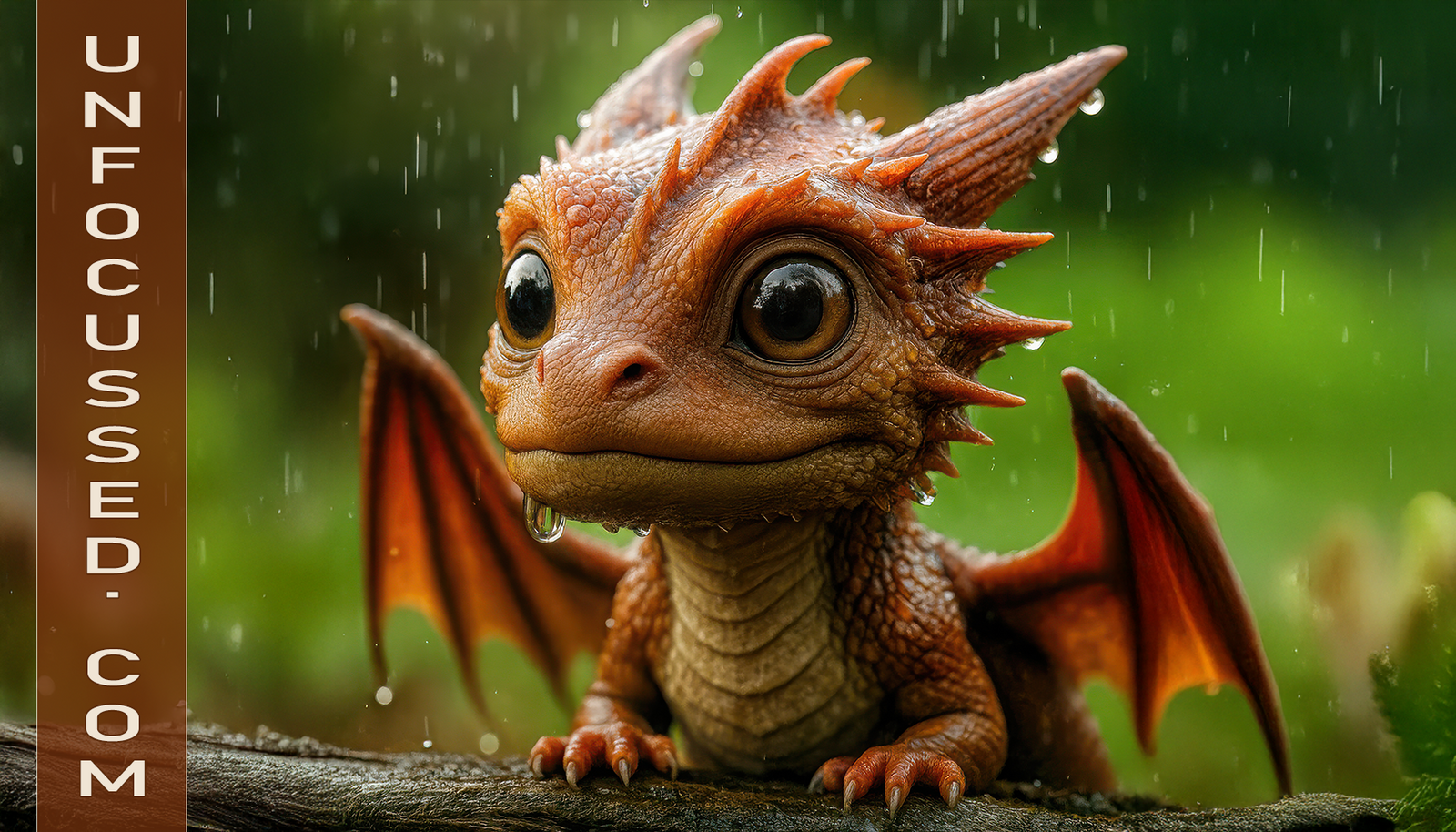
The Hatchling in the Meadow In the world’s forgotten folds—where maps grew skittish and cartographers quietly pretended certain regions didn’t exist—there lived a creature that would one day become legend. For now, however, she was a wobbling, squeaking, sass-laden baby dragon who had the audacity to hatch beneath a tree that never stopped blooming. Her scales glimmered like warm embers wrapped in rose petals, a curious mix of fragility and fire, and so the villagers who whispered about her called her the Blossomfire Hatchling. Now, if you think hatchlings are supposed to be delicate, reserved little things—content to blink wide-eyed at the world and coo gently—you clearly haven’t met this one. From the very moment her eggshell cracked, she was already a critic. The air was too cold. The petals falling on her head were too pushy. The sunlight hit her left wing at a suspicious angle. And don’t get her started on the clumsy butterflies who thought her nose was a landing strip. She gave each of them the kind of side-eye that could curdle milk. Still, the meadow was hers. Or at least, she decided it was hers. Hatchlings rarely ask permission. She planted her chubby behind on a moss-covered log, puffed out her tiny chest, and declared herself queen by way of a wobbly wave. The bees, naturally, didn’t approve of this appointment—they were unionized, after all—but they were forced to accept her sovereignty after she accidentally sneezed and set an entire patch of nettles aflame. The bees voted 12-3 to just let her have the meadow. Democracy in action. She was no ordinary sight. Her wings, though currently as useless as lace curtains on a potato, shimmered faintly with rainbow hues whenever the sun dared kiss them. The hatchling herself was a bundle of contradictions: fierce yet adorable, loud yet somehow enchanting, destructive yet oddly good for business. A farmer swore that after she winked at him from across the field, his potatoes grew the size of small boulders. Another villager insisted that after she burped during a thunderstorm, his pond frogs suddenly developed the ability to croak in baritone harmonies. Whether these stories were true or just beer-inspired exaggerations was irrelevant—they spread like wildfire, much like the unfortunate haystack incident she would never live down. The hatchling, of course, was blissfully unaware of all this. She had no concept of legend, of worship, of fearful whispers that spoke of “what will she be like once she grows.” Her world was simple: blossoms, bugs, sunbeams, and the occasional stubborn squirrel who refused to bow to her rule. She was certain the meadow belonged entirely to her, and if you dared disagree, she would stomp her tiny foot and squeak with such authority that even grown men reconsidered their life choices. But for all her sass and fire, there was sweetness too. At sunset, when the sky flushed pink and gold, she would stretch her stubby wings and gaze toward the horizon. She imagined soaring, though she had no real clue what flying felt like. Sometimes, when the wind swirled, she thought she could almost lift off, only to land flat on her rear with an indignant snort. And yet she kept trying, because even in her potato-with-curtains stage, hope burned as brightly as the spark in her scales. Travelers who stumbled into her meadow often spoke of a strange warmth. Not the kind from the sun, but the kind that curled inside the chest and made the world feel a little softer, a little kinder. Some left with baskets of flowers that bloomed twice as bright. Others swore their luck improved after glimpsing her little wave. She was a living rumor, a myth in training, a hatchling destined for something neither she nor anyone else could yet define. Of course, destiny wasn’t on her mind. At this stage in her life, she was far more concerned with whether daisies or dandelions made a better afternoon snack (spoiler: they both tasted like disappointment, though she chewed them anyway with great ceremony). She spent her days tumbling through blossoms, chasing shadows, and perfecting her royal wave. In her eyes, she was already the reigning monarch of whimsy and sass, and no one could convince her otherwise. Perhaps, in her own way, she was right. After all, when you’re a dragon—even a baby one—the world tends to bend just a little in your favor. A Whiff of Trouble By the time the Blossomfire Hatchling had survived her first season in the meadow, she had gained a reputation among the locals as both a blessing and a menace. Blessing because gardens bloomed twice as lush when she pranced near them, menace because laundry lines had an unfortunate habit of spontaneously catching fire if she sneezed. One might think the villagers would avoid the meadow entirely, but humans are a strange breed. Some brought offerings—baskets of honey, fresh fruit, shiny trinkets—hoping to win her favor. Others crept in at night, muttering that the “beast” should be driven out before she grew larger. The hatchling, of course, remained gloriously oblivious. She thought the baskets of fruit simply rained from the sky. She believed the whispers in the night were owls who had nothing better to do. And she assumed that shiny trinkets simply sprouted like mushrooms. In her mind, she was not only the monarch of the meadow but also clearly the universe’s favorite child. If anyone disagreed, well… she had ways of making her opinions known. It was during one particularly warm afternoon that her destiny—or at least her first great adventure—came sniffing through the tall grass. Literally sniffing. A fox, lean and red-furred, with eyes the color of old copper coins, slunk into her kingdom. He had the swagger of someone who’d stolen too many chickens and gotten away with it. The hatchling watched him with wide, curious eyes from atop her mossy log throne. The fox, equally curious, tilted his head as if to say, “What in the fiery underworld are you supposed to be?” She answered with a squeaky roar. Not exactly intimidating, but effective enough. The fox flinched, then smirked—if foxes can smirk, and this one most certainly could. “Little ember,” he said in a voice that purred like smoke, “you sit like a queen but smell like a campfire. Who are you to claim this meadow?” The hatchling flapped her stubby wings with indignation. Who was she? She was the Blossomfire Hatchling. She was blossom and flame, sass and sparkle, ruler of bees, terror of squirrels, and breaker of laundry lines! She squeaked again, longer this time, and added a defiant stomp. The meadow itself seemed to tremble, though that was probably just the fox’s imagination. “Well,” the fox chuckled, circling her throne-log. “You’ve got guts, potato-with-wings. But guts aren’t enough. This meadow is prime real estate for foxes. Rabbits taste better here, and the beetles crunch like candy. If you think you can keep it, you’ll need to prove yourself.” The hatchling puffed up like a dandelion in full seed. Prove herself? Challenge accepted. She sneezed once, singeing the grass dangerously close to his tail. The fox yelped, leapt three feet in the air, and landed with his fur smoking. She giggled—a wheezy, flame-flecked giggle—and stomped again for good measure. The fox’s smirk faltered. Maybe, just maybe, this potato was trouble. But before he could retreat, the ground shuddered with an altogether different presence. Out from the tree line lumbered a bear. Not just any bear—a massive old creature with a patchy coat, scarred snout, and a crown of burrs tangled in his fur. He was grumpy. He was hungry. And he had a nose for honey, which was precisely what the villagers had left at the edge of the meadow that morning. The hatchling froze, her tiny wings quivering. The fox swore under his breath and crouched low. The bear sniffed once, twice, then turned his great head toward the mossy log. Toward her. Toward the little ember that had no business being so bright. For a moment, the meadow held its breath. Even the bees stopped mid-buzz, as if deciding whether it was wiser to abandon ship. The hatchling, however, remembered she was queen. Queens did not cower. Queens commanded. And so she stood, wobbling but defiant, and gave her best squeaky roar yet—so loud it startled herself. To her surprise, the bear paused. He blinked at her. Then he did something wholly unexpected: he snorted, rolled onto his back, and began scratching his back in the dirt as though she had just given him permission to lounge. The fox blinked, utterly flummoxed. “What in all nine trickster tales… did you just tame that bear?” The hatchling, seizing the opportunity, puffed out her chest and waved a tiny paw as if to say, “Yes, obviously. This is how royalty handles things.” Inside, her little heart hammered like a drum. She hadn’t tamed anything—she had just gotten incredibly lucky. But luck, she decided, was as good a crown as any. News of the bear incident spread quickly. By dusk, whispers carried from village to village: the Blossomfire Hatchling had allies. First bees, now bears. What would be next—wolves, owls, the river itself? She was no longer just a rumor. She was a force. And forces, as history likes to remind us, rarely stay small. But destiny wasn’t done toying with her yet. The very next morning, she woke to find not just fox eyes watching her, but the glint of something colder, sharper, human. Someone had finally come to take her away. Fire, Folly, and a Flicker of Destiny The dawn broke golden over the meadow, each petal dew-dappled and sparkling as if the world itself had dressed in diamonds for the day. The Blossomfire Hatchling stretched on her mossy throne, wings twitching, tail curling lazily. She was queen, and the kingdom was peaceful—or so she thought. She hadn’t noticed the rustle of leather boots in the underbrush, the faint glimmer of steel catching morning light, the human breath held just beyond the tree line. Three figures emerged from the shadows like badly timed thunderclouds: a wiry man in a patchwork cloak, a woman with a crossbow too large for her body, and a grizzled knight who looked as though retirement had been forced upon him far too late. They were not villagers bearing offerings. They were hunters—and they had come for her. The fox, sly observer that he was, slunk into the tall grass with a muttered, “Good luck, potato-with-wings. I don’t do humans.” The bear, already half-asleep, rolled over and snored. The hatchling was on her own. “By order of the High Council!” the knight bellowed, though it came out more wheezy than regal. “The creature known as the Blossomfire Hatchling is to be captured and contained! For the safety of the people!” The hatchling tilted her head. Contained? As if she were some sort of butter churn? Absolutely not. She squeaked furiously, flapped her stubby wings, and stomped so hard a mushroom nearby burst into spores. The humans, unimpressed, advanced. The crossbow bolt came first—zipping through the air toward her little chest. It might have struck true if she hadn’t sneezed at that exact moment. The sneeze, fiery and unladylike, turned the bolt into molten goo that dribbled harmlessly onto the ground. The wiry man swore. The knight groaned. The hatchling burped smoke and blinked, surprised at herself. Then chaos unfurled like a badly rolled rug. The hunters lunged. The hatchling ran. Her tiny legs pumped furiously, wings flapping in useless panic. Through blossoms, under logs, across streams she darted, squealing indignantly the whole way. Arrows thunked into tree trunks behind her. Nets swooshed over her head. At one point, the wiry man tripped and cursed, tangling himself in his own rope, which the fox found hilarious. But luck, fickle as ever, didn’t hold forever. At the meadow’s edge, she skidded to a stop. A wall of iron cages loomed, dragged there by horses she hadn’t noticed before. The smell of cold metal and fear seeped into her nose. For the first time, the Blossomfire Hatchling felt her flame flicker low. She was small. They were many. And queens, as it turned out, could indeed be cornered. The knight raised his sword. The woman reloaded her crossbow. The wiry man, finally untangled, grinned with the triumph of someone about to become wealthy at another’s expense. “Bag her,” he hissed. “She’ll fetch a king’s ransom.” But destiny, cheeky rascal that it is, had other plans. The earth trembled—not with the clumsy charge of men, but with the rolling, unmistakable snore of the bear. He had woken cranky, and nothing is crankier than a bear whose nap is disturbed by humans waving pointy sticks. With a roar that rattled the marrow of every living creature, the bear barreled into the clearing, swatting weapons aside like toys. The hunters scattered, shrieking. One dove headfirst into his own cage and promptly locked himself in. The crossbow clattered uselessly to the ground. Even the knight, weary and world-worn, muttered something about “not being paid enough for this” and bolted. The hatchling blinked at the chaos, her little jaw hanging open. She hadn’t roared. She hadn’t fought. She had just… stood there. And yet, the meadow had risen for her. The fox slunk back into view, licking a paw with smug amusement. “Not bad, potato. Not bad at all. You’ve got bears on payroll now. I’d say you’re doing alright.” But as the dust settled, something curious happened. The hatchling felt warmth not just in her scales but deep in her chest. A glow. A pull. She waddled forward, past the broken nets and bent swords, and pressed her tiny paw to the iron cages. To her astonishment, the metal softened beneath her touch, blooming into vines covered in flowers. She squeaked in delight. The cages melted away, becoming harmless trellises. The humans stared, dumbstruck. The knight, kneeling now, whispered, “By the gods… she is no monster.” His voice cracked with awe. “She is a guardian.” The hatchling, who still considered herself primarily a professional stomper and dandelion-chewer, had no idea what any of this meant. But she waved anyway, as if to say, Yes, yes, bow to the potato queen. The villagers would tell the story for generations: how a baby dragon turned weapons into blossoms, how a fox and a bear became her unlikely companions, and how destiny itself bent like iron before her. Some would swear she grew into a mighty dragon, defender of the valley. Others insisted she remained small forever, a perpetual hatchling who ruled through charm rather than flame. But those who had seen her, truly seen her, knew the truth. She was more than blossom. She was more than fire. She was hope wrapped in scales, a sassy miracle with a sneeze that could change the world. And the best part? Her story was only just beginning.     Bring the Blossomfire Hatchling Home The tale of the Blossomfire Hatchling doesn’t have to stay within these words—it can brighten your own world, too. Whether you want her sass and sparkle glowing from your wall, your coffee table, or even your cozy reading nook, she’s ready to bring her whimsical fire into your daily life. Adorn your walls with her magic through a framed fine art print or a bold canvas print. If you crave a bit of play, challenge yourself with a puzzle that brings her meadow kingdom to life piece by piece. For something heartfelt and shareable, send her charm to loved ones with a greeting card. Or, if cozy comfort is more your style, wrap yourself in her warmth with a soft fleece blanket. Wherever she lands, the Blossomfire Hatchling brings with her a spark of whimsy, hope, and just enough sass to keep your days interesting. Let her story live not just in imagination, but in your home.

Seguir leyendo

Squeaky Clean Scales

por Bill Tiepelman

Squeaky Clean Scales

The Bath Time Rebellion Dragons, as you may know, are not typically creatures of hygiene. They’re more “roll in ashes and singe your eyebrows” than “minty fresh and sparkling clean.” But then there was Crispin, the hatchling with scales the color of caramelized sugar and an expression permanently stuck between “evil mastermind” and “gleeful toddler on a sugar rush.” Today, Crispin had declared war… on dirt. Or maybe it was soap. The jury was still out. It all began when his keeper, a half-asleep wizard named Marvin, tried to dunk Crispin in a copper basin full of bubbles. “You’ll enjoy it!” Marvin promised, stirring the frothy water like he was mixing a witch’s brew. Crispin, however, was unconvinced. Bath time had always been a source of great drama in the lair—tantrums, tail-thrashing, and one incident where the curtains had to be replaced because the hatchling had tried to flee mid-suds and accidentally set them ablaze. But then Crispin spotted something—bubbles. Shiny, rainbow-glass globes floating upward, popping with tiny kisses of sound. His pupils widened. His wings twitched. And before Marvin could lecture him about soap-to-scale ratios, Crispin lunged straight into the tub with the kind of enthusiasm normally reserved for bacon-wrapped griffin wings. He erupted out of the foam like a champagne cork, sending suds flying in every direction. Marvin sputtered, soaked, and muttered something about “regretting his life choices.” Crispin, meanwhile, was in ecstasy. He discovered the joy of clapping his tiny claws together and making bubbles leap like startled pixies. He practiced blowing on them, which resulted in singed froth and one very offended rubber ducky. His reflection warped and shimmered across each bubble’s surface, turning his grin into monstrous, goofy caricatures of himself—something he found absolutely hilarious. For once, the little terror wasn’t interested in setting things on fire, hoarding shiny objects, or gnawing on Marvin’s spellbooks. He was just… celebrating the sheer miracle of soap. And in that moment, Marvin, dripping and annoyed, realized something profound. Life wasn’t always about conquering towers or memorizing spells or repairing scorch marks on the ceiling. Sometimes, life was about watching a dragon discover joy in a bubble bath. Crispin wasn’t just squeaky clean—he was teaching Marvin that delight can be found in the simplest, sudsiest corners of existence. Still, Marvin prayed fervently that Crispin wouldn’t sneeze while submerged in foam. Nothing says “spiritual life lesson ruined” quite like igniting an entire bath’s worth of bubbles in a single fiery hiccup. The Suds Uprising By the time Marvin had mopped up the first tidal wave of foam, Crispin had gone full renegade. The dragonling discovered that when he slapped his tail just right, he could send geysers of suds rocketing into the air like celebratory fireworks. He shrieked with laughter, spraying the walls with wet streaks of soap and bubbles that clung to the ceiling like glistening cobwebs. It was less “bath time” and more “foam-fueled riot.” Marvin, towel draped around his shoulders like a defeated gladiator, sighed. “You’re supposed to be a fearsome beast one day, Crispin. You’ll terrorize villages, scorch kingdoms, demand tribute.” He waved a soggy hand at the dragonling. “Not… this.” Crispin, of course, ignored him. He was busy building a bubble crown. Each sphere balanced precariously on his spiky horns, creating an absurd, regal headpiece that would’ve made any monarch jealous. He puffed out his tiny chest, narrowed his eyes in mock seriousness, and gave Marvin a look that clearly translated to: Bow before your Squeaky Majesty. “Oh no,” Marvin muttered, massaging his temples. “He’s invented monarchy.” The rebellion escalated quickly. Crispin discovered that he could bite the bubbles without consequence. POP. POP. POP. He snapped at them like a cat in a sunbeam chasing dust motes, wings flapping wildly. Soon, he’d cleared a small patch of airspace, then leapt out of the tub—suds still dripping from his belly—declaring himself Champion of All Things That Burst. He roared (more of a squeaky hiccup, but the sentiment was there) and promptly slipped on the tile, landing in a splat that sent Marvin into uncontrollable laughter. For once, the old wizard wasn’t annoyed—he was cackling like a drunk at a comedy tavern, because seeing a dragon crown himself with soap bubbles only to skid across the bathroom like a greased piglet was just… priceless. And then came the philosophy, as bath-time chaos often inspires. Marvin realized that Crispin wasn’t just rebelling against dirt—he was rebelling against the expectation of being serious. Society told dragons to be terrifying, wizards to be wise, and bubbles to pop silently without purpose. But Crispin was rewriting the script. He was bratty, yes—he dunked his head into the suds and blew out his nostrils like a fire-breathing walrus—but he was also showing that joy was an act of defiance. To laugh at the absurdity of it all was to thumb your nose (or snout) at the very weight of existence. “Lesson of the day,” Marvin announced to no one, raising a dripping finger like a lecturer. “If life hands you soap, crown yourself King of Bubbles.” Crispin rewarded him by spitting foam directly into his beard. Marvin sputtered, but even he had to admit—it was well-deserved. The bubbles had become something greater: not just toys, not just soap, but symbols. Crispin wasn’t merely playing—he was staging a revolution of simplicity. Each bubble was a tiny manifesto, iridescent declarations that screamed: we are fleeting but fabulous! And though Marvin knew this was probably just his sleep-deprived brain overanalyzing, he couldn’t help but feel moved. The bratty little beast was teaching him to celebrate things that lasted mere seconds before popping. That maybe the point wasn’t permanence—it was the sparkle before the end. Crispin, meanwhile, had decided to test the boundaries of physics. He flapped his wings furiously, scattering soapy droplets like rain across the room, and tried to take flight. The effort launched him a glorious six inches into the air before gravity yanked him back into the tub with a KER-SPLASH that flooded half the floor. The dragonling poked his head out of the foam, eyes gleaming, grin wide, and let out a satisfied burble. Marvin just stared at the flooded chaos around him and whispered: “This… is my life now.” And yet, he wasn’t angry. He was weirdly grateful. Grateful for the mess, the noise, the bratty energy of a creature too young to care about dignity. Crispin was chaos, yes—but he was also a reminder that even wizards needed to loosen their robes once in a while and laugh at the suds sticking to their noses. Life, Marvin realized, is basically one long bubble bath: foamy, ridiculous, and gone too soon. The Gospel of the Bubble Dragon By now the bathroom looked less like a place of hygiene and more like a battlefield where the gods of Foam and Chaos had fought an epic war. The walls dripped with suds, the ceiling wore a frothy halo, and Marvin’s slippers had vanished somewhere under a swamp of soapy water. Crispin, however, was unfazed. He perched proudly on the rim of the copper tub, suds clinging to his horns, tail flicking like a metronome set to “trouble,” eyes gleaming with bratty triumph. He had conquered bath time, rewritten the rules, and crowned himself emperor of everything bubbly. Marvin sat cross-legged on the wet floor, soaked to his knobby knees, beard sparkling with soap residue. He had officially given up trying to control the situation. Instead, he leaned back against the wall and watched, part of him wondering how his life had come to this, another part weirdly thrilled to witness the spectacle. Somewhere between the suds in his ear and the dragon spit in his beard, the old wizard realized he’d stumbled into something rare: a teaching moment. Not the kind found in dusty grimoires or scrawled on parchment scrolls—no, this was the messy, hilarious gospel according to Crispin. The dragonling cleared his throat (a dramatic little “hrrrk” noise that sounded suspiciously like a toddler about to demand apple juice) and began strutting along the tub’s edge like a king addressing his court. His tiny claws tapped the rim, his wings flicked theatrically, and his bubble crown wobbled but somehow stayed intact. Marvin swore the little beast was giving a speech. “Pop, pop, pop,” Crispin chirped, punctuating each sound by biting at bubbles that drifted too close. Marvin couldn’t translate dragonling chatter exactly, but the meaning felt obvious: Life is short, so chomp it while it’s shiny. The more Marvin watched, the more the philosophy unfolded. Crispin splashed deliberately, soaking himself anew, as if to say: Cleanliness is temporary, but joy is renewable. He piled foam into ridiculous sculptures—mountains, castles, what looked suspiciously like Marvin’s bald head—and then gleefully smashed them, cackling with dragon giggles. Marvin found himself laughing too, realizing Crispin was showing him the joy of impermanence. You didn’t cling to bubbles. You played with them, loved them, and let them go. There was no tragedy in their popping—only the memory of sparkle. Of course, Crispin’s bratty streak wasn’t about to let the evening stay purely philosophical. Once he sensed he had Marvin’s attention, the dragonling doubled down on the mischief. He leapt from the tub with a wild squeal, wings flapping, and landed squarely on Marvin’s chest. The impact knocked the wizard backward into the puddled floor with a splash. Marvin wheezed, “I’m too old for this!” but Crispin just curled up smugly on his robe, leaving streaks of soap and little claw prints all over the fabric like a wet signature. Then came the grand finale: Crispin’s fire sneeze. Marvin saw it coming too late—the dragonling’s nose crinkled, his eyes crossed, his cheeks puffed. “No, no, no!” Marvin shouted, scrambling to grab a towel. But the sneeze erupted with a WHOOSH, igniting a cluster of bubbles into a brief, glorious fireball that shimmered across the bathroom like a dragon’s disco ball. Miraculously, nothing burned. Instead, the flames fizzled into rainbow smoke that smelled faintly of lavender soap. Marvin collapsed into helpless laughter, wheezing, tears streaming down his face. Even Crispin, startled, blinked once before bursting into shrieking giggles. It was official: bath time had become both rave and sermon. Later, when the chaos subsided, Marvin sat with Crispin curled up in a nest of towels. The hatchling, worn out from the suds rebellion, let out a little snore that sounded like a hiccup wrapped in purrs. Marvin stroked the damp scales on his head, reflecting. He’d always thought wisdom came from solemn rituals, from silence, from discipline. But tonight, wisdom had come in the form of bubbles, bratty tantrums, slippery floors, and a dragon that refused to do anything without making it fun. And maybe—just maybe—that was the greater lesson: that joy itself is an act of rebellion against a world too obsessed with being serious all the time. “Squeaky clean scales,” Marvin whispered with a chuckle, glancing at the glistening hatchling in his lap. “You’re not just clean, Crispin. You’re holy. A prophet of play, a tiny philosopher of foam.” He shook his head and smiled. “And you’re also the reason I’ll need to buy a mop.” Somewhere in his sleep, Crispin burbled happily, a bubble popping on his nose. And Marvin, exhausted but oddly renewed, decided that the simple things—the bratty, goofy, messy, fleeting, soapy things—were the ones worth celebrating. After all, no kingdom, no spell, no treasure could rival the miracle of a dragon who found enlightenment in a bubble bath.     Epilogue: The Legend of Squeaky Clean Scales In the weeks that followed, Marvin noticed something strange. Crispin began demanding regular baths. Not because he cared about hygiene—his bratty grin made it clear he just wanted more bubble chaos—but because bath time had become ritual. Every splash, every crown of suds, every fire-sneeze into foam became part of the dragonling’s growing legend. Neighbors whispered that Marvin’s hatchling was not just any dragon, but a mystical beast who glowed brighter than treasure after a bubble scrub. Of course, the truth was far less glamorous. Crispin still slipped on tiles. He still spit soap into Marvin’s beard for fun. He still staged miniature rebellions against bedtime, vegetables, and anything that didn’t involve sparkle or snacks. But in the oddest way, the little creature had changed something fundamental. Marvin, once stoic and grumpy, now found himself chuckling in the market, buying lavender soap in bulk. He even started greeting people with the phrase: “Find your bubble and pop it proudly.” It confused the townsfolk, but Marvin didn’t care—he had bubbles in his beard and joy in his chest. As for Crispin, he wore his title proudly: Squeaky Clean Scales. A dragon who would one day grow massive wings and fiery breath, but who, for now, was perfectly content to be small, goofy, and dripping with foam. His kingdom wasn’t of gold or jewels—it was of laughter, suds, and life lessons disguised as bratty fun. And in some quiet corner of the world, where dragons and wizards and bubbles all existed together, the simple miracle of bath time became a reminder that sometimes the greatest magic isn’t fire or flight—it’s joy. Pure, ridiculous, fleeting joy.     Bring the Bubble Dragon Home If Crispin the hatchling made you smile, why not let his bubbly antics brighten your own space? Squeaky Clean Scales is more than a story—it’s a celebration of joy, silliness, and life’s simplest pleasures. And now you can carry that magic into your everyday world with beautifully crafted products featuring this whimsical artwork. Dress up your walls with a stunning Framed Print or a luminous Acrylic Print—perfect conversation starters that capture every bubble and sparkle in vivid detail. Or make bath time legendary with a playful Shower Curtain that turns any bathroom into Crispin’s kingdom of foam. For cozy nights, wrap yourself in the warmth of a Fleece Blanket, or bring the dragonling’s bratty charm on the go with a versatile Tote Bag. Each piece is crafted to celebrate the joy, play, and laughter that Crispin reminds us to embrace. Because sometimes, the greatest treasures aren’t gold or fire—they’re bubbles, giggles, and the reminder to celebrate life’s little sparks.

Seguir leyendo

The Rosebound Hatchling

por Bill Tiepelman

The Rosebound Hatchling

In a garden that didn’t technically exist on any map, but still insisted on blooming anyway, there stood a single rosebush of impossible beauty. Its petals were velvet-dark, kissed with dew that sparkled like diamonds at dawn. Every gardener in the known (and lesser-known) realms swore it was enchanted. They weren’t wrong, but they weren’t entirely right either. Enchantment implied someone had cast a spell on it; this rose had simply decided to be extraordinary all on its own. On one peculiar morning, as the dew drops slid lazily down the petals, a golden-orange hatchling with wings like stained glass tumbled out of nowhere—literally nowhere. One blink it wasn’t there, the next blink it was. The rose caught it like an indulgent stage mother, and the little dragon blinked its oversized eyes as if the world owed it a standing ovation for existing. Which, honestly, it did. The hatchling stretched its wings—shimmering with streaks of violet, magenta, and sapphire—and immediately knocked half the dew off its perch. “Well,” it squeaked in a voice too tiny for such audacious drama, “this is a start.” Already, it was radiating the kind of energy you’d expect from someone who planned to become either a legend or a catastrophe. Possibly both. Its tail curled possessively around the rose’s stem, and with a sniff, the little beast declared: “Mine.” Across the garden, a chorus of gossiping sparrows paused mid-peck. One muttered, “Great. Another one of those ambitious types.” Another replied, “Mark my feathers, it’s always the small ones who aim for world domination before they can even fly straight.” The hatchling, naturally, pretended not to hear. After all, big dreams require selective deafness. The rose, for its part, sighed (as much as a flower can sigh) and thought, Here we go again. The hatchling, having made its dramatic debut, decided that a perch upon a rose was entirely too small a stage for its destiny. It tested its wings with a few flaps, each one sending droplets scattering into tiny prisms of light. The garden glistened with irritation. “Honestly,” muttered the rose, “you’d think subtlety was outlawed.” But subtlety had never once survived in the company of baby dragons. Especially not ones with aspirations that outpaced their wingspan. “First things first,” the hatchling announced to absolutely no one, because the sparrows had already lost interest. “I need a name.” It paced dramatically along the rose’s curved petal, as if the petal were a catwalk and it was the star model of Paris Draconic Fashion Week. “Something powerful, something people will whisper in taverns after I’ve passed by with a trail of smoke and glory.” Names were auditioned and dismissed at breakneck speed. “Scorch?” Too obvious. “Fang?” Too pedestrian. “Glitterdeath?” Tempting, but sounded like it belonged to an angsty teenage bard’s sketchbook. After much dramatic preening, it finally sighed and muttered, “I’ll wait until fate names me. That’s what all the greats do. And I am most certainly great.” Meanwhile, the rose rolled its petals and thought about all the hatchlings it had seen over the centuries. Some had grown into noble protectors of kingdoms, others into terrifying beasts of calamity. A few, honestly, had just fizzled out after realizing fire-breathing was more complicated than anticipated. But this one… this one had a certain reckless sparkle, like a candle deciding it was destined to become a lighthouse. The rose wasn’t entirely sure whether to admire it or brace for impact. The hatchling leapt to the garden path, managing to glide all of three feet before colliding with a pebble. To its credit, it immediately stood up, shook itself, and declared, “Nailed it.” That was the kind of confidence that would either inspire ballads or catastrophic insurance claims. A snail, sliding slowly past, muttered, “I’ve seen braver landings from slugs.” The hatchling ignored the insult and puffed out its tiny chest. “One day, snail,” it hissed with theatrical menace, “the world will bow before me.” But ambition, like wings, requires exercise. The hatchling began to explore the garden, each new corner becoming a kingdom it claimed for itself. A patch of daisies? “My floral army.” A mossy stone? “My throne.” A puddle glimmering with reflected sky? “My royal lake, for ceremonial splashings.” Every discovery was narrated aloud in case invisible chroniclers were taking notes. After all, legends didn’t write themselves. By midday, the hatchling was exhausted from conquering so much territory and promptly fell asleep under a toadstool, snoring tiny smoke rings. Dreams arrived quickly—dreams of soaring above mountains, of entire villages cheering, of statues erected in its honor with heroic poses (wings wider, eyes more dramatic, maybe even a crown). In the dream, it even defeated a rival dragon twice its size by delivering a particularly witty insult followed by an accidental tail whip. The crowd roared. The hatchling basked. Back in reality, a family of ants had started building a little dirt mound uncomfortably close to the dragon’s tail. “We’ll need to file a complaint with management,” said one ant, eyeing the hatchling with suspicion. The rose, overhearing, muttered, “Good luck. He already thinks he’s management.” When the hatchling awoke, its belly rumbled. Food was clearly in order. Unfortunately, the grand ambitions of glory had not accounted for the logistical problem of being very small and very hungry. It attempted to hunt a butterfly but tripped over its own claws. It tried nibbling on a petal but immediately spat it out—“Ugh, vegan.” Eventually, it settled on licking dew from a blade of grass. “Exquisite,” it declared. “A feast fit for a king.” The grass, somewhat flattered, bowed slightly in the breeze. As the day waned, the hatchling climbed back to the rose, determined to give a motivational speech. “Dear subjects,” it squeaked loudly to the garden at large, “fear not, for your guardian has arrived! I, the future greatest dragon of all time, shall defend you from—” It paused, realizing it didn’t actually know what threats gardens typically faced. “Uh… slugs? Overzealous bunnies? Rogue weed-whackers?” The list was uninspiring, but the tone was impeccable. “Point is,” the hatchling continued, “no one messes with my rose, or my garden. Ever.” The sparrows chuckled. The ants grumbled. The snail yawned. And the rose—despite itself—felt a little surge of pride. Perhaps this hatchling was ridiculous. Perhaps its big ambitions were far too big. But the truth was: big ambitions have a way of bending the world to fit them. And somewhere in the quiet of twilight, the hatchling’s tiny roar didn’t sound entirely small anymore. By the time the moon had climbed high into the sky and painted the garden silver, the hatchling had officially decided that its destiny wasn’t just big—it was astronomical. The little dragon perched proudly on the rose, gazing upward at the constellations with the sort of intensity usually reserved for philosophers or drunk poets. “That one,” it whispered, squinting at a faint smattering of stars shaped vaguely like a spoon, “shall be my sigil. The Spoon of Destiny.” The rose groaned. “You can’t just… pick destiny like a salad item.” “Watch me,” said the hatchling, wings glittering defiantly. “I’m building an empire here, one dramatic declaration at a time.” The night unfolded into a planning session of absurdly epic proportions. Using dew droplets as markers, the hatchling began sketching out a map of the future upon the rose’s leaves. “First, the garden. Then the meadow. Then, obviously, the castle. Probably two castles. No, three—one for each season. Then I’ll need a fleet. A fleet of… geese! Yes. War geese. Everyone underestimates geese until they’re chasing you down a cobblestone street with rage in their eyes.” “Charming,” muttered the rose. “I always knew my thorns weren’t the sharpest thing around here.” But ambition thrives on delusion, and the hatchling’s delusion was glorious. It practiced speeches to imaginary crowds. “People of the realm, fear not!” it squeaked, balancing dramatically on a rose petal that wobbled dangerously. “For I shall guard your lands, roast your enemies, and provide witty one-liners at festivals. Also, I’ll sign autographs. No touching the wings though.” The sparrows heckled from a branch above. “You’re shorter than a buttercup stem!” one cried. The hatchling snapped back without missing a beat, “And yet my charisma is taller than your family tree.” Even the sparrows had to admit that was pretty good. By dawn, the hatchling had upgraded its ambitions yet again. Protecting the garden was noble, sure, but why stop there? Why not become the official dragon of inspiration? “I shall be a motivational icon,” it announced, marching along the petal with military precision. “They’ll invite me to conferences. I’ll stand behind a podium, wings flared, and declare: ‘Follow your dreams, even if you fall on your face—because trust me, I do it all the time!’” The rose laughed so hard it nearly dropped its petals. “You? A motivational speaker?” “Exactly,” the hatchling said, undeterred. “My brand is resilience wrapped in glitter. People will buy mugs with my slogans. Posters. T-shirts. Maybe even mouse pads.” The ants, who had by now completed an elaborate dirt citadel at the base of the bush, whispered to each other. “It’s insane.” “It’s ridiculous.” “It’s… actually kind of inspiring?” Even the snail admitted, “Kid’s got moxie.” So the hatchling trained. Not with fire or claws just yet—those skills were still embarrassingly unreliable—but with speeches, poses, and the art of dramatic timing. It perfected the pause before delivering a line, the tilt of the wings for maximum shimmer under moonlight, the confident head-turn that said, “Yes, I do own this garden, thank you for noticing.” Every day, it declared new goals and celebrated them like victories, even when those victories were, objectively, disasters. One afternoon it attempted to fly across the entire garden and crashed directly into a wheelbarrow. The wheelbarrow tipped over and spilled compost everywhere. The hatchling climbed out, covered in twigs, and announced proudly, “I call that a tactical diversion.” By the end of the week, the ants were chanting, “Tactical diversion! Tactical diversion!” whenever things went sideways in their colony. The hatchling had accidentally created its first cultural legacy. Weeks passed, and the once-ordinary garden was transformed into something extraordinary. It wasn’t the roses or the daisies or the mossy stones that made it legendary—it was the sheer audacity of a tiny dragon who refused to see itself as tiny. Visitors from nearby villages began to whisper about the garden with the peculiar rose that glowed brighter under moonlight and the sound of strange, squeaky speeches echoing through the hedges. People started leaving small offerings: shiny buttons, scraps of cloth, even the occasional cookie. The hatchling interpreted this as tribute, naturally. The rose just rolled its petals and muttered, “He’s going to need a vault at this rate.” One particularly foggy evening, the hatchling stood proudly at the top of the rose, its wings shimmering in the mist like shards of stained glass. It raised its head high and shouted into the night: “I may be small, I may be new, but I am vast in ambition! You can call me many things—ridiculous, loud, even clumsy—but someday, when they write the stories of great dragons, they’ll begin with this: The Rosebound Hatchling who dreamed too big and made the world expand just to keep up.” Silence followed. Then a cricket applauded. Then a frog croaked approval. Then, to everyone’s shock, the moon itself broke through the fog and bathed the hatchling in silver light, as if the cosmos were saying, “Alright, kid. We see you.” And for the first time, even the rose stopped doubting. Perhaps this ridiculous little creature wasn’t just bluster after all. Perhaps audacity was magic in its own right. With a yawn, the hatchling curled once more against the rose’s velvet petals, already dreaming of bigger stages, grander speeches, and a fleet of goose-warriors honking in unison. The world wasn’t ready. But then again, the world never really is.     Epilogue: The Legend in Bloom Years later, when the garden was famous far beyond its hedges, travelers would come searching not for the roses or the mossy stones, but for the whispers of the hatchling. They’d swear they heard speeches carried on the wind, tiny smoke rings floating like punctuation in the night air. Some claimed to see flashes of golden-orange wings darting just beyond the corner of their vision. Others reported losing sandwiches in mysterious “tactical diversions.” The ants, naturally, built an entire tourist industry around it. And though skeptics scoffed, those who lingered long enough always felt the same thing: a strange, unshakable sense that ambition could be contagious. That even the smallest spark—ridiculous, clumsy, loud—could grow into a roaring fire. The rose, older and prouder now, still held the memories in its velvet folds and smiled at the thought. After all, it had been there at the beginning. It had been the cradle of audacity. As for the hatchling? Let’s just say the Spoon of Destiny constellation now had a fan club. And the war geese… well, that’s another story entirely.     Bring the Hatchling Home The tale of The Rosebound Hatchling doesn’t have to stay locked in whispers and moonlight. Now, you can let this whimsical little dragon perch proudly in your own home. Whether you want it framed on your wall as a reminder that even the smallest spark can ignite a legend, or stretched across canvas to become the centerpiece of a room, this artwork is ready to inspire bold dreams in your space. For those who prefer to carry a bit of magic wherever they go, the hatchling also takes flight on a stylish tote bag — perfect for groceries, books, or smuggling tactical diversion snacks. Or, if your mornings require a little boost of whimsical fire, sip your coffee or tea from a Rosebound Hatchling mug and start the day with ambition as audacious as a tiny dragon’s. Choose your favorite way to bring the legend alive: Framed Print | Canvas Print | Tote Bag | Coffee Mug Because legends aren’t just told. They’re displayed, carried, and sipped from daily.

Seguir leyendo

The Hatchling Companions

por Bill Tiepelman

The Hatchling Companions

The Day the Twins Discovered Trouble (and Each Other) On the morning the mountain sneezed, two baby dragons blinked awake beneath a quilt of warm moss and questionable decisions. The orange one—Ember—had a belly the color of toasted apricot jam and the perpetual expression of someone about to press a clearly labeled “Do Not Touch” button. The teal-and-violet one—Mistral—looked like moonlight caught in sea glass and wore mischief like eyeliner. They were not identical, but stares tended to rhyme around them: big glossy eyes, soft fangs, and tiny wings that whirred like gossip. They had hatched in the same minute—Ember three breaths early, Mistral three plans ahead. From the start they were a duet of bad ideas harmonized: Ember supplied sparkle and heat; Mistral supplied strategy and plausible deniability. Their nursery—an alcove of drippy crystals and dragonfruit peels—was quiet enough, but quiet is just potential energy in the hands of clever hatchlings. “We should practice our roars,” Ember announced, rolling his shoulders until scales flashed like copper coins. “For safety.” “Safety,” Mistral agreed, because she had already decided their roars would be more useful for negotiations with pastry vendors. She shrugged her little wings and the air picked up—just a flirty breeze, but it carried the smell of cinnamon from the village below. She liked cinnamon, and she liked the word below even more. They marched to the ledge like backpackers heading to a brunch reservation. Rows of stone terraces stretched down the mountain, dotted with market tents, steaming cauldrons, and the occasional goat scrawling rude messages in hoofprints. The twins practiced their roars once—twice—thrice. The echoes came back sounding taller than they were, which they both took personally. “We need… ambiance,” Mistral said, because ambiance is French for make it extra. She inhaled, tail curling, and exhaled a ribbon of breeze that teased Ember’s throat flame into a brighter note. The combined sound was part thunder, part rumor. Birds startled. A tent peg sighed. Somewhere, a pastry flake took flight. “We’re amazing,” Ember decided, which is a perfectly healthy conclusion after startling infrastructure. They launched—well, hopped and tumbled—in a spiral that would have been majestic if gravity had been more forgiving. They landed behind a spice stall where glass jars glittered like low-hanging stars. The vendor, a grandmother with braids thick as ship ropes, took one look at the twins and said the ancient market blessing: “Don’t you two even think about it.” They thought about it. Hard. Ember’s tummy rumbled a chord of longing. Mistral batted her lashes, which should be registered as a controlled substance. “We’re on a culinary pilgrimage,” she explained. “It’s for… culture.” “Culture takes coins,” the grandmother replied, not unkindly, “and a promise not to flambé the oregano.” “We can offer endorsements,” Mistral countered, pointing at her own enormous eyes. “We are very influential. Dragonlings. Cute ones. Baby dragons, even.” She paused for effect, then whispered, “Viral.” The grandmother’s mouth did a dance between no and aw. Ember took advantage of the hesitation to sneeze a spark that crisped a stray clove into something that smelled suspiciously like holiday morning. “See?” he said brightly. “Limited-edition aromas.” That was how the twins earned their first job: official breeze-and-heat for the drying racks. Mistral supplied a steady airflow that made the herbs sway like they were at a very polite concert, while Ember delivered micro-bursts of warmth so precise that peppercorns blushed. The grandmother paid them in a coil of cinnamon, three candied ginger bits, and a warning not to weaponize nutmeg. It was, by all accounts, a great gig. It lasted eleven minutes. Because at minute twelve, they overheard two apprentices gossiping about the For-Grown-Dragons-Only wing of the mountain library—a place where the maps were too dangerous and the recipes were too ambitious. A place with a rumor attached: a forbidden page that described the technique for turning any breeze into a storm of flavor, and any spark into a memory. The apprentices called it The Palate Codex. The twins looked at each other, and a decision hatched between them like a baby comet. “We’re going,” Ember said. “Obviously,” Mistral agreed. “For educational purposes. And snacks.” On the way, they collected allies the way trouble collects witnesses. A goat with a jailbroken bell. A moth with opinions about typography. A jar of honey that claimed it could do taxes. Each swore fealty to the twins’ cause, which is to say, they buzzed along for the drama. The library lived inside the mountain’s oldest rib—a vaulted cavern of stone shelves and counterfeit quiet. A librarian dragon, scaled in bureaucratic gray with spectacles large enough to serve tea on, dozed behind a desk. The sign in front of her read: ABSOLUTELY NO SMOLDERING. Ember exhaled through his nose with the solemnity of a monk and still managed to smolder by accident. Mistral tucked his tail under her paw like a babysitter who had given up on subtlety. They slinked past studying wyverns and bored salamanders, toward the wing with the velvet rope and the sign that said Don’t. The rope, alas, was only an invitation written in string. Mistral lifted it, Ember ducked, and they entered a room so still that dust motes discussed philosophy. The shelves here were taller, the leather darker, and the air tasted faintly of cardamom and conspiracy. In the center sat a pedestal with a glass bell jar, and under the jar lay a single sheet, edges singed, letters inked in something that wasn’t quite ink. “The Palate Codex,” Mistral breathed. Her voice sounded like velvet learning to purr. “I don’t know what that means,” Ember confessed, “but it feels delicious.” Mistral’s breeze tickled the bell jar’s seal until it lifted with a kiss of suction. Ember’s spark flickered, tender as a candle at a birthday. The page fluttered free as if it had been bored for centuries and was finally offered the chance to be interesting. Words shimmered. Lines rearranged. A recipe assembled itself with scandalous clarity: Recipe 0: Memory Meringue — Whip one honest breath of wind into a soft peak. Fold in a single warm spark until glossy. Serve at dusk. Warning: may recall the flavor of the moment you most needed, and survived. “That’s… beautiful,” Ember whispered, unexpectedly reverent. “It’s also dangerous,” Mistral said, which to her meant “irresistible.” She glanced at Ember, and in that glance was the entire thesis of their twinhood: I see you. Let’s be extra. They followed the instructions, because instructions are just dares printed neatly. Mistral inhaled a long, careful breath and released it into a bowl made of her cupped claws. The air swirled, then stiffened into pale peaks that quivered like nervous opera. Ember leaned in, offered the gentlest ember of a spark, and the mixture shone. The room changed. The floor became the stony ledge of their nursery; the air smelled of moss, ginger, and shy sunlight. A flicker of sound—another roar, small and stubborn—echoed off the memory of the cave. It was them, newborn and ridiculous, huddled together for warmth and audacity. The meringue tasted like the first time they realized that together they were braver than their own shadows. “We made a feeling you can eat,” Ember said, awe-struck. “We made a brand,” Mistral corrected, because even hatchlings understand merchandising. “Imagine the fantasy wall art posters, the dragon lovers’ gifts, the enchanted home decor. Memory Meringue™. Has a ring.” A hiss interrupted their brainstorming. The librarian—spectacles shining with the light of impending disappointment—stood in the doorway, velvet rope looped over one arm like a lasso of consequences. The gray scales along her jaw clicked in sentence structure. “Children,” she said, in the tone of someone about to file paperwork, “what precisely do you think you are doing in the Restricted Wing with a culinary spell and an unlicensed goat?” Mistral nudged Ember. Ember nudged courage. Together they lifted their chins. “Research,” they said in stereo. “For the community.” The librarian’s eyebrow ridge rose slowly, the way a continent might. “Community, is it? Then you won’t mind a small demonstration for the Board of Draconic Oversight.” She pointed a claw toward a corridor they had not noticed, its walls hung with stern portraits of dragons who had never giggled. “Bring your… confection.” Ember swallowed. The Memory Meringue jiggled with the confidence of a dessert that had read too many self-help scrolls. Mistral squared her tiny shoulders, winked at the goat for moral support, and whispered, “This is fine. Worst case, we charm them. Best case, we get a scholarship.” They padded forward, clutching their bowl of edible feelings like a passport. The portraits stared down, unimpressed. A door ahead creaked open on its own, breathing out a gust of cold, official air. Inside, a semicircle of elder dragons waited—scales austere, pearls of authority strung along their neck ridges, eyes that had seen the world and were not easily sold cinnamon. The librarian took her place at a podium. “Presenting Exhibit A: Twins who cannot read signs.” Mistral cleared her throat. Ember tried to look taller by standing on his dignity, which wobbled. Together they stepped into the room that would either make them legends—or a very funny cautionary tale recited at family dinners for decades. “Good afternoon,” Mistral said, voice steady as a drumline. “We’d like to begin with a taste.” Ember lifted the spoon. The nearest elder leaned in, skeptical. The spoon glowed. Somewhere deep in the mountain, something hummed like a chord being tuned. The twins felt it shiver through their little bones: the sense that the next moment would decide whether they were adored innovators… or grounded until the next geological era. And then the lights went out. The Scholarship (or the Scandal) The lights didn’t simply go out; they sulked. The cavern glowed faintly in that awkward way you see your reflection in a dirty spoon—half suggestion, half insult. The bowl of Memory Meringue pulsed like a heart that had ideas above its pay grade. Ember tried to keep the spoon steady, but the dessert had developed ambitions, shivering with the smug aura of a soufflé that knows it rose higher than expected. “Well,” Mistral said, breaking the silence with a grin sharp enough to dice onions, “this is dramatic.” She loved dramatic. Drama was basically her cardio. Ember, however, was trying not to panic-burp fire. The last time that happened, their moss blanket never forgave him. From the darkness, a dozen pairs of elder-dragon eyes lit up like lanterns—sour, judgmental lanterns. The Board of Draconic Oversight had survived centuries of crises: volcanic eruptions, knight infestations, the Invention of Bagpipes. They were not in the habit of being impressed by toddlers with tableware. But the smell of the Memory Meringue reached them—warm, soft, tinged with the spice of first courage—and even stone-souled dragons felt a tickle in their throats. “Present your… concoction,” one elder grumbled, his scales the color of unpaid taxes. He leaned forward as if sniffing for contraband. “Quickly, before it starts a union.” Ember stumbled closer. The spoon trembled. Mistral, never one to miss a marketing opportunity, bowed with the panache of a circus ringmaster. “Esteemed dragons, we humbly introduce Memory Meringue: the first dessert to make you feel as good as you remember feeling before you had responsibilities. Free samples available for feedback. Five stars appreciated.” The first elder accepted a spoonful. His jaws clamped shut. His eyes went very far away, like someone suddenly remembering their first awkward courtship dance at the Solstice Ball. When he swallowed, a tear rolled down his snout, steaming slightly. “It… tastes like my grandmother’s cave,” he whispered, horrified by his own vulnerability. “Like the day I was finally allowed to guard the fire alone.” The other elders leaned in, etiquette abandoned faster than laundry on a hot day. One by one, they took bites. The room filled with the clinks of spoons and the sound of nostalgia breaking through dragon-scale egos. A scarred matriarch hiccuped softly, muttering about her first stolen sheep. Another groaned that the flavor reminded him of his youthful wingspan before arthritis set in. Ember blinked. “They… like it?” “Correction,” Mistral whispered smugly, “they need it. We’ve basically invented emotional addiction.” One elder coughed into his claw, composing himself with the dignity of a wardrobe falling over. “Younglings, your behavior was reckless, unauthorized, and potentially catastrophic.” He paused, spoon halfway back to his mouth. “Nevertheless, the product shows… promise.” Another leaned forward, scales gleaming with greed. “We could franchise. Memory Meringue Mondays. Pop-up shops in every cavern. Branding potential is… limitless.” Ember blushed so hot the spoon glowed cherry-red. “We just wanted snacks,” he admitted. Mistral elbowed him, whispering, “Shh. This is how empires start.” She turned back to the elders with a smile so sugary it could rot enamel. “We graciously accept your patronage, your mentorship, and, of course, your funding. Please make checks payable to ‘Hatchling Ventures, LLC.’” The librarian dragon finally spoke, her gray spectacles fogging from the emotional whiplash. “I move that they be placed under strict probationary scholarship—supervised, monitored, and restricted from producing anything stronger than whipped cream until further notice.” The elders muttered. Some wanted stricter punishment, others wanted more dessert. In the end, democracy worked the way it always does: everyone compromised and nobody was truly happy. The decision was unanimous: the twins would be enrolled in the Experimental Culinary Arts Program, effective immediately, under the watchful eye of their very displeased librarian chaperone. “See?” Mistral whispered as the librarian slapped probation bracelets on their tails. “Scholarship. Told you.” Ember tugged at the bracelet, which hummed like a chastity belt for magic. “This feels less like a scholarship and more like parole.” “Semantics,” Mistral chirped. “We’re in. We’re funded. We’re legendary.” She paused. “Also, we’re definitely going to break these rules. Together.” The librarian sighed, already planning her future ulcer. “You two are to report to the practice kitchens tomorrow. And may the Great Wyrm preserve us all.” That night, back in their mossy nook, Ember and Mistral sprawled on their bellies, tails tangled like conspiracies. They stared at the ceiling and planned their future—half business scheme, half prank list. They whispered about meringues that could replay embarrassing moments, soufflés that could predict the weather, éclairs that could cause crushes. Their laughter was sticky, reckless, bratty. Bad influence met bad influence, and the sum was pure trouble. And somewhere, in a jar on the shelf, the last dollop of Memory Meringue twitched, sprouting a sugar grin. It had heard everything. It had opinions. And it had plans. The Dessert That Wanted to Rule the World The final dollop of Memory Meringue had not been idle. While Ember and Mistral dreamed bratty, sugar-fueled dreams of culinary domination, the meringue whispered to itself in whipped peaks and glossy swirls. It remembered the taste of courage, the sound of applause, and the salt of ancient dragon tears. Worst of all, it remembered ambition. And that was how, by the next dawn, it had grown from dollop to dollop-with-opinions to full-blown sentient pudding with an attitude. When the librarian dragged the twins into the probationary practice kitchen, the meringue came along in a little jar tucked under Ember’s wing. He had sworn it was for “quality control.” Mistral had winked because “quality control” is French for “evidence tampering.” The jar hummed softly, a sugar high with legs it hadn’t sprouted yet. The practice kitchen itself was an arena of chaos disguised as education. Countertops carved from obsidian. Cauldrons simmering with broths that occasionally insulted each other. Shelves lined with spices so potent they required non-disclosure agreements. Other students—a mix of salamanders, wyverns, and one very confused griffin—were already at work, whipping up recipes that crackled, popped, and in one case, filed small claims lawsuits. “Today,” the librarian announced wearily, “you will each attempt a basic, supervised recipe. No improvisation. No unlicensed flair. No emotions in the food.” Her eyes skewered Ember and Mistral directly. “Do I make myself clear?” “Absolutely,” Mistral said with the confidence of a dragon who fully intended to break every rule before lunch. Ember nodded too, though his blush suggested he was already guilty of something. The jar on his hip wobbled knowingly. They were assigned Simple Roasted Root Vegetables. Not glamorous. Not magical. Certainly not destined to make anyone cry about their grandmother’s cave. Ember set about carefully sparking the oven with controlled bursts of flame while Mistral fanned the coals with breezes calibrated to perfection. Boring, predictable… respectable. And then the jar lid popped off. The Memory Meringue rose like a balloon fueled by stolen secrets. It pulsed, it shimmered, it giggled in a way that made spoons tremble. “Children,” it crooned in a voice made of sugar and sass, “you dream too small. Why roast roots when you can roast destinies?” Every student turned. Even the griffin dropped his whisk. The librarian’s spectacles fogged so fast they nearly whistled. “What is that?” she demanded. “Quality control,” Ember said weakly. “Brand expansion,” Mistral corrected. “Meet our… assistant.” The meringue, unbothered by the scandal, pirouetted midair, scattering sprinkles like confetti. “I have plans,” it declared. “Memory Meringue was merely the appetizer. Next, I shall bake Regret Soufflé, Vindictive Tiramisu, and Apocalypse Flan! Together, we will season the world!” The librarian shrieked in a register reserved for academic emergencies. “Contain it!” she barked, slamming down the emergency whisk. The students panicked. The wyverns ducked under tables, the salamanders attempted to sue the situation, and the griffin fainted dramatically. Ember and Mistral, however, exchanged a look. It was the look of twins who had always been each other’s worst influence—and best weapon. Without words, they hatched a plan. “I’ll distract it,” Ember hissed. “You trap it.” “Wrong,” Mistral countered. “We partner with it. It’s clearly brilliant.” “It’s also trying to overthrow civilization.” “Semantics.” But before their bickering could escalate into sibling flame wars, the meringue surged higher, splitting into dollops that rained down like sugary meteors. Each splat transformed: one became a cupcake army with frosted helmets, another a parade of marshmallow minions armed with toothpicks. The kitchen was now Dessertageddon. “Fine,” Mistral sighed. “We contain. But I call naming rights.” She inhaled, wings snapping open, and summoned a gale so precise it herded the meringue fragments into a swirling vortex. Ember added flame, not destructive but warm and caramelizing. The air filled with the smell of toasted sugar and ozone. The meringue shrieked dramatically—half villain, half diva auditioning for a role it already had. “You cannot whisk me away!” it cried. “I am the flavor of memory itself!” “Exactly,” Ember growled, focusing harder than he ever had. “And some memories are better savored… than obeyed.” With a final synchronized effort, they fused the meringue into a single crystallized shard—glittering, humming, safe-ish. Mistral clapped it into a jar and slapped a sticky note on the lid: Do Not Open Until Dessert Course. The kitchen groaned, sticky with collateral frosting. Students peeked out from hiding. The librarian staggered, whisk bent, spectacles cracked. She stared at the twins, aghast. “You two are a menace.” Mistral grinned. “Or pioneers.” Ember shrugged, sheepish. “Both?” The Board of Draconic Oversight convened that evening, naturally furious. But once again, the twins’ creation whispered temptation from the jar. Elders debated for hours, torn between outrage and craving. In the end, bureaucracy did what it always does: it compromised. The twins were punished and rewarded. Their probation extended. Their scholarship doubled. Their culinary license granted on the condition that they never, ever attempt Apocalypse Flan again. That night, Ember and Mistral lay side by side, tails curled like quotation marks, staring at the ceiling. They whispered plans—bad ones, bratty ones, brilliant ones. Their laughter echoed down the mountain, mixing with the hum of the crystallized meringue in its jar. They were twins. They were trouble. They were each other’s favorite bad influence. And the world had no idea what it had just invited to dinner. The End (or just the appetizer).     Bring the Hatchlings Home Ember and Mistral may be tiny troublemakers on the page, but they deserve a place in your world too. Their bratty charm and whimsical energy have now been captured in stunning detail across a range of unique collectibles and home décor. Whether you want a bold centerpiece for your wall, a puzzle that makes you laugh while you piece together their antics, or a tote bag that carries just as much sass as these dragonlings do — we’ve got you covered. Perfect gifts for fantasy lovers, dragon enthusiasts, or anyone who believes desserts should occasionally try to overthrow civilization. Explore the collection: Metal Print — Vibrant detail, bold colors, and built to last like dragon mischief itself. Framed Print — A refined display of whimsical chaos, ready for your favorite wall. Puzzle — Recreate Ember and Mistral piece by piece, perfect for rainy days and cinnamon tea. Greeting Card — Share their cheeky charm with friends and family. Tote Bag — Carry their bratty energy with you wherever you go. Because sometimes the best kind of trouble… is the kind you can hang on your wall or sling over your shoulder.

Seguir leyendo

Hatchling of the Storm

por Bill Tiepelman

Hatchling of the Storm

A Hatchling’s Complaint The rain had been falling for hours, and if you asked the little dragon about it (which no one did, since no one else was brave—or foolish—enough to talk to a dragon hatchling in the first place), he’d tell you it was the rudest weather he’d ever experienced. His name was Ember, which he felt was both an appropriate and extremely misleading name. Sure, it suggested warmth, fire, and menace. But at this soggy moment, it mostly meant that the universe found it hilarious to drench him whenever he tried to look impressive. His scales were supposed to sparkle like gemstones in firelight, not drip like a wet kitchen sponge. “Storms are disrespectful,” Ember announced to a passing beetle, who wisely skittered away. “No warning, no courtesy, no consideration for my delicate wings. Do you know how long it takes to dry wings properly? You don’t, because you’re a beetle. But I assure you, it takes ages!” The truth was, Ember had been hatched only a few days ago, and while he had already mastered the art of glaring at clouds with theatrical disdain, he had not yet managed actual flight. His wings flapped, yes, but more in the manner of an enthusiastic fan at a medieval rock concert rather than a creature of power and grace. Still, he considered himself a future menace. A fiery terror of the skies. A legend. And legends did not get rained on without complaining very loudly about it. “When I am older,” Ember continued, mostly to himself (though he hoped the beetle was still listening from somewhere safe), “the world will fear me. They will write ballads about my flames and tales of my claws. I shall scorch villages, steal goats, and—oh look, another droplet in my eye. Rude! Rude!” His bratty tirade was interrupted by a particularly fat raindrop that plopped right onto the tip of his nose, hanging there like a crystal bead. Ember crossed his eyes to stare at it, huffed indignantly, and then sneezed. A puff of smoke rose from his tiny nostrils, carrying the faint smell of cinnamon and burnt toast. It wasn’t exactly terrifying, but it was the sort of sneeze that might make a baker question his oven temperature. Ember liked to believe it was progress. Somewhere beyond the trees, thunder grumbled. Ember narrowed his eyes. “Don’t you start with me,” he warned the sky. “I may be small, but I have potential.” And so, perched on his mossy log, dripping like a disgruntled sponge with wings, Ember sulked. He sulked with conviction, with style, and with a kind of bratty grace only a dragon hatchling could manage. If dragons could roll their eyes at the universe, Ember was already a master of the art. The Brat Meets the World The storm dragged on into the late afternoon, and Ember’s sulking reached new levels of dramatic artistry. At one point he attempted to flop belly-first onto his mossy perch like some great martyr of weather injustice. The result was a damp squelch and a very un-dignified squeak. He scowled at the log, as though it had deliberately betrayed him, and then composed himself with a haughty sniff. If anyone were watching, they would understand he was not merely wet—he was the victim of cosmic sabotage. And he would not forget it. But fate, as fate often does, decided to toss Ember a distraction. From the underbrush came a rustle, a clatter, and then the sight of… a rabbit. A perfectly ordinary rabbit, except for the fact that it was nearly twice Ember’s size. It had sleek brown fur, twitchy ears, and an expression of mild curiosity. Ember, of course, saw this as a challenge. He puffed his tiny chest, spread his rain-heavy wings, and tried his most terrifying snarl. Unfortunately, what came out sounded suspiciously like the hiccup of an asthmatic kitten. The rabbit blinked. Then it bent down and began to chew on some nearby clover, utterly unimpressed. Ember’s jaw dropped. “Excuse me!” he barked. “I am threatening you. You are supposed to cower, maybe tremble a little. A squeal of fear wouldn’t hurt. Honestly, this is the least cooperative prey I’ve ever seen.” “You’re not scary,” the rabbit said matter-of-factly between bites, in the casual tone of someone who had seen many strange things in the woods and filed this one under “not worth panicking over.” “Not scary?” Ember’s wings flapped indignantly, spraying droplets everywhere. “Do you not see the smoke? The scales? The eyes brimming with untold chaos?” “I see a wet lizard with delusions of grandeur,” said the rabbit. It chewed another clover, staring pointedly at him. “And maybe a sinus problem.” Ember gasped, affronted. “LIZARD?!” He stomped one tiny claw on the log, which made a dull squish rather than the thunderous boom he had intended. “I am a DRAGON. The future scourge of kingdoms. The nightmare of knights. The—” “The soggiest creature in this clearing?” the rabbit offered. Ember sputtered smoke. He would have roasted the rabbit on the spot, except his fire gland seemed to still be warming up. What emerged was a pathetic puff of smoke and one lonely spark that fizzled in the rain like a birthday candle being spat on. The rabbit tilted its head, unimpressed. “Ferocious. Truly. Should I faint now or after my snack?” Ember flung himself into an even grander tantrum, wings flapping, claws waving, smoke puffing in erratic bursts. He imagined he looked like a terrifying tempest of doom. In reality, he looked like a wet toddler trying to swat away a persistent housefly. The rabbit yawned. Ember paused mid-flap, seething. “Fine,” he snapped. “Clearly, the storm has conspired against me, dampening my flames and sabotaging my menace. But I assure you, when I grow—when these wings dry and these claws sharpen—you’ll rue this day, Rabbit. You’ll rue it with all your fluffy being.” “Mmhmm,” said the rabbit. “I’ll put it on my calendar.” And with that, it hopped lazily into the bushes, vanishing like a magician who couldn’t be bothered with applause. Ember stared after it, his mouth open, chest heaving with outrage. Then, very softly, he muttered, “Stupid rabbit.” Left alone again, Ember slumped onto his log, tail drooping. For a moment, he felt terribly small. Not just in size, but in destiny. Was this what the world thought of dragons? Just damp lizards? A future chicken nugget with wings? He hated the thought. He hated the rain, the moss, the rabbit. Most of all, he hated the sinking suspicion that he wasn’t nearly as scary as he’d imagined. His amber eyes glistened—not with tears, of course, because dragons do not cry, but with raindrops. Or at least that’s what Ember would tell anyone who dared ask. But then, something happened. Somewhere in his tiny, sulky heart, a warmth flickered. Not the damp spark of frustration, but a real warmth, coiling from his belly and up through his chest. Ember blinked, startled. He hiccuped again, but this time the smoke came with a soft whoosh of flame—just enough to curl a leaf into ash. Ember’s eyes widened. His sulk was forgotten in an instant. “Oh,” he whispered. “Oh, yes.” For the first time since the rain began, Ember smiled. It was a bratty little grin, the kind of smirk that promised trouble. Trouble for rabbits, trouble for storms, and definitely trouble for anyone who thought a dragon hatchling was just a lizard with bad sinuses. His wings shivered, his tail flicked, and his eyes gleamed with the sheer audacity of possibility. The storm might not have ended yet, but Ember was no longer sulking. He was plotting. And somewhere, deep in the thunderclouds, the storm seemed to chuckle back. Sparks Against the Storm By the time the storm rolled into evening, Ember’s brat-meter had reached record-breaking levels. He was damp, muddy, and insulted beyond reason. A rabbit had mocked him. The sky had sneezed on him. Even the moss under his claws squished like it was laughing at him. Ember decided the universe itself had joined a conspiracy to ruin his debut as “Most Terrifying Hatchling Ever.” And for a baby dragon, whose entire self-image relied on dramatic overcompensation, this was unacceptable. “Enough,” he muttered, pacing on his log like a tiny general planning the downfall of clouds. “The storm thinks it’s fierce? I’ll show fierce. I will fry the thunder. I will roast the lightning. I will—” He paused, mostly because he wasn’t entirely sure how one roasted lightning. But the sentiment stood. He puffed his chest, and the warmth from his belly coiled upward again, stronger this time. It tickled his throat, daring him to unleash it. Ember grinned, wings twitching. “Watch and learn, world,” he declared, “for I am Ember, Hatchling of the Storm!” What followed was… well, let’s call it “a work in progress.” Ember inhaled deeply, summoned every ounce of his inner fire, and belched forth a heroic gout of flame—except it came out as more of a sputtering flamethrower with hiccups. The flame burst, faltered, popped, and singed a fern so thoroughly that it now smelled like overcooked spinach. Ember blinked. Then he cackled. “Yes! Yes, that’s it!” He leapt up and down on the log, claws skittering, wings smacking droplets everywhere. “Did you see that, Storm? I AM YOUR MATCH!” As if in reply, the sky growled with thunder so deep it shook the branches. Ember froze, his tiny body vibrating from the rumble. He swallowed hard. “…Okay, impressive,” he admitted. “But I can be loud too.” He tried roaring. What came out was not so much a roar as it was a glorified squeak followed by a cough. Still, Ember refused to admit defeat. He tried again, louder this time, until his voice cracked like a teenager’s. The thunder rolled again, mocking him. Ember’s eyes narrowed. “Oh, so you think you’re funny? You think you can drown me, rattle me, soak me until I shrivel like a prune? Well guess what, Storm: I am DRAGON. And dragons are brats with persistence.” He flapped his wings furiously, wobbling but determined, and hurled himself off the log. He landed face-first in a mud puddle. There was a long pause, broken only by the plop of water sliding off his horns. Ember sat up, mud dripping from every scale, and glared at nothing in particular. “This,” he growled, “is fine.” Then, something miraculous happened. The storm shifted. The rain slowed to a drizzle, the clouds thinned, and streaks of gold began to break across the sky. Ember blinked up at the light, eyes wide. The sunset painted the forest in orange fire, glowing off his scales until he looked less like a soggy brat and more like a jewel burning in the twilight. For once, Ember stopped sulking. For once, he was quiet. In that hush, he felt it—power, potential, destiny. Maybe the rabbit was right. Maybe right now he was just a soggy lizard with a sinus issue. But someday—someday—he’d be more. He could see it in the shimmer of his scales, hear it in the low purr of fire coiling inside him. He wasn’t just a hatchling. He was a promise. A tiny ember waiting to ignite. Of course, this heartwarming self-realization lasted exactly three seconds before Ember tripped over his own tail and tumbled back into the mud. He came up sputtering, covered nose to wingtip in filth, and shouted, “UNIVERSE, YOU ARE A TROLL!” He shook himself furiously, splattering mud in every direction, then stomped in a circle with all the dignity of a toddler denied dessert. Finally, he plopped back on his log, huffed dramatically, and declared, “Fine. Tomorrow. Tomorrow I conquer everything. Tonight, I sulk. But tomorrow… beware.” The forest didn’t answer. The storm was fading, the sky glowing with stars. Ember yawned, wings sagging. He curled himself into a little ball, tail wrapping tight, raindrops still clinging like beads. His bratty glare softened into something small, tired, and almost sweet. For all his theatrics, he was still just a hatchling—tiny, messy, and utterly precious in his ridiculousness. As sleep tugged at him, he whispered one last threat to the world: “When I’m big, you’ll all regret this mud.” Then his eyes slipped closed, smoke curling lazily from his nostrils, and the storm’s lullaby carried him into dreams where he was already enormous, terrifying, and very, very dry. And somewhere in the darkness, the universe chuckled fondly. Because even the brattiest little dragons deserve their legend.     Bring Ember Home Ember may be small, bratty, and perpetually soggy, but he’s also impossible not to love. If his stormy sulks and tiny sparks made you smile, you can invite this little troublemaker into your own world. Our Hatchling of the Storm collection captures every raindrop, every pout, and every spark in vivid detail—perfect for anyone who believes even the smallest dragons can leave the biggest impressions. Adorn your walls with Ember’s charm in a Framed Print or shimmering Metal Print, carry his mischief wherever you go with a sturdy Tote Bag, or keep him close with a playful Sticker that’s just as bratty as he is. Whether on your wall, in your hand, or stuck proudly on your favorite surface, Ember is ready to storm into your life—and this time, you’ll be glad he did.

Seguir leyendo

Sassy Shroom Shenanigans

por Bill Tiepelman

Sassy Shroom Shenanigans

Tongue Wars and the Forest Code of Sass In the deepest thicket of the Glibbergrove, where mushrooms grew big enough to get parking tickets and squirrels wore monocles unironically, there perched a gnome with absolutely no chill. His name? Grimbold Butterbuttons. His vibe? Absolute chaos in wool socks. Grimbold wasn't your average gnome. While the others busied themselves polishing snail shells or whittling toothbrushes from elder twigs, Grimbold had an entire *reputation* for being the forest’s number one instigator. He made faces at butterflies. He photobombed the Council of Owls. Once, he’d even replaced the Queen Badger’s royal tea with flat root beer just to watch her snort. So naturally, it made perfect sense that Grimbold had a pet dragon. A tiny pet dragon. One that barely came up to his belt buckle but acted like she ruled the canopy. Her name was Zilch, short for Zilcharia Flameyfangs the Third, but no one called her that unless they wanted to get singed eyebrows. That morning, the two of them were doing what they did best—being complete little shits. "Bet you can't hold that face for longer than me," Grimbold snorted, sticking out his tongue like a drunken goose and widening his eyes so far they looked like boiled turnips. Zilch, wings flaring, narrowed her gold-slitted eyes. "I INVENTED this face," she rasped, then mimicked him with such perfect deranged accuracy that even the birds stopped mid-tweet. The two locked in a battle of absurdity atop a giant red-capped mushroom—their usual morning perch-slash-stage. Tongues out. Eyes bugged. Nostrils flaring like melodramatic llamas. It was a face-off of epic immaturity, and they were both thriving. "You’re creasing your eyebrows wrong!" Zilch barked. "You’re blinking too much, cheater!" Grimbold fired back. A fat beetle waddled by with a judgmental glance, muttering, "Honestly, I preferred the mime duel last week." But they didn’t care. These two lived for this kind of nonsense. Where others saw an ancient, mysterious forest full of magic and mystery, they saw a playground. A sass-ground, if you will. And so began their day of shenanigans, with their sacred forest motto etched in mushroom spores and glitter glue: “Mock first. Ask questions never.” Only they didn’t realize that today’s game of tongue wars would unlock an accidental spell, open an interdimensional portal, and quite possibly awaken a mushroom warlord who’d once been banned for excessive pettiness. But hey—that’s a problem for later. The Portal of Pfft and the Rise of Lord Sporesnort Grimbold Butterbuttons’ tongue was still proudly extended when it happened. A *wet* sound split the air, somewhere between a cosmic zipper and a squirrel flatulating through a didgeridoo. Zilch’s pupils dilated to the size of acorns. “Grim,” she croaked, “did you just... open a thing?” The gnome didn’t answer. Mostly because his face was frozen mid-snarl, one eye twitching and tongue still glued to his chin like a sweaty stamp. Behind them, the mushroom shivered. Not metaphorically. Like, the actual mushroom. It quivered with a noise that sounded like giggling algae. And from its spore-speckled surface, a jagged tear opened in the air, like reality had been cut with blunt safety scissors. From within, a purple light pulsed like an angry disco ball. "...Oh," said Grimbold finally, blinking. "Oopsie-tootsie." Zilch smacked her forehead with a tiny claw. "You broke space again! That’s the third time this week! Do you even read the warnings in the moss tomes?" "No one reads the moss tomes," Grimbold said, shrugging. "They smell like foot soup." With a moist belch of spores and questionable glitter, something began to emerge from the portal. First came a cloud of lavender steam, then a large floppy hat. Then—very slowly—a pair of glowing green eyes, slitted like a grumpy cat that hadn’t had its brunch pâté. “I AM THE MIGHTY LORD SPORESNORT,” boomed a voice that somehow smelled like truffle oil and unwashed gym socks. “HE WHO WAS BANISHED FOR EXCESSIVE PETTINESS. HE WHO ONCE CURSED AN ENTIRE KINGDOM WITH ITCHY NIPPLES OVER A GRAMMAR MISTAKE.” Zilch gave Grimbold the longest side-eye in the history of side-eyes. "Did you just summon the ancient fungal sass-demon of legend?" "To be fair," Grimbold muttered, "I was aiming for a fart with echo." Out stepped Lord Sporesnort in full regalia—moss robes, mycelium boots, and a walking staff shaped like a passive-aggressive spatula. His beard was made entirely of mold. And not the cool, forest-sorcerer kind. The fuzzy fridge kind. He radiated judgment and lingering disappointment. "BEHOLD MY REVENGE!" Sporesnort roared. "I SHALL COVER THIS FOREST IN SPORE-MODED MISCHIEF. ALL SHALL BE IRRITATED BY THE SLIGHTEST INCONVENIENCES!" With a dramatic swirl, he cast his first spell: “Itchicus Everlasting!” Suddenly, a thousand woodland creatures began scratching themselves uncontrollably. Squirrels tumbled from branches in mid-itch. A badger ran by shrieking about chafing. Even the bees looked uncomfortable. "Okay, no. This won’t do," said Zilch, cracking her knuckles with tiny thunderclaps. "This is our forest. We annoy the locals. You don’t get to roll in with your ancient mushroom face and out-sass us." "Hear hear!" shouted Grimbold, standing proudly with one foot on a suspicious mushroom that squelched like an angry pudding. "We may be chaotic, bratty, and tragically underqualified for any real leadership, but this is our turf, you decomposing jockstrap." Lord Sporesnort laughed—an echoing wheeze that smelled of old salad. “Very well, tiny fools. Then I challenge you... to the TRIAL OF THE TRIPLE-TIERED TONGUE!” A hush fell across the glade. Somewhere, a duck dropped its sandwich. "Uh, is that a real thing?" Zilch whispered. "It is now," Sporesnort grinned, raising three slimy mushroom caps into the air. "You must perform the ultimate display of synchronized facial sass—a three-round tongue duel. Lose, and I take over Glibbergrove. Win, and I shall return to the Sporeshade Realms to wallow in my own tragic flamboyance." "You're on," said Grimbold, his face twitching with a growing smirk. "But if we win, you also have to admit that your cloak makes your butt look wide." "I—FINE," Sporesnort spat, turning slightly to cover his rear fungus flare. And thus the stage was set. Creatures gathered. Leaves rustled with gossip. A beetle vendor set up a stand selling roasted aphids on sticks and “I ♥ Sporesnort” foam fingers. Even the wind paused to see what the hell was about to happen. Grimbold and Zilch, side by side on their mushroom stage, cracked their necks, stretched their cheeks, and waggled their tongues. A hush fell. Sporesnort’s fungal beard trembled in anticipation. "Let the tongue games begin!" shouted a squirrel with a referee whistle. The Final Tongue-Off and the Scandal of the Sassy Underwear The crowd leaned in. A snail fell off its mushroom seat in suspense. Somewhere in the distance, a fungus chime rang out one somber, reverberating note. The *Trial of the Triple-Tiered Tongue* had officially begun. Round One was a classic: The Eyeball Stretch & Tongue Combo. Lord Sporesnort made the first move, his eyes bugging out like a pair of grapefruit on springs as he whipped out his tongue with such velocity it created a mild sonic pop. The crowd gasped. A field mouse fainted. “BEHOLD!” he roared, his voice echoing through the mushroom caps. “THIS IS THE ANCIENT FORM KNOWN AS ‘GORGON’S SURPRISE’!” Zilch narrowed her eyes. “That’s just ‘Monday Morning Face’ in dragon preschool.” She casually blew a tiny flame to toast a passing marshmallow on a stick, then locked eyes with Grimbold. They nodded. The duo launched into their countermove: synchronized bug-eyes, nostril flares, and tongues waggling side to side like possessed metronomes. It was elegant. It was chaotic. A raccoon dropped its pipe and screamed, “SWEET GRUBS, I’VE SEEN THE TRUTH!” “ROUND ONE: TIED,” announced the squirrel referee, his whistle now glowing from sheer stress.     Round Two: The Sass Spiral For this, the goal was to layer expressions with insult-level flair. Bonus points for eyebrow choreography. Lord Sporesnort twisted his fungal lips into a smug, upturned frown and performed what could only be described as a sassy interpretive dance using only his eyebrows. He finished by flipping his cloak, revealing fungus-embroidered briefs with the words “BITTER BUT CUTE” stitched across the rear in glowing mycelium thread. The crowd lost their collective minds. The beetle vendor passed out. A hedgehog screamed and launched into a bush. “I call that,” Sporesnort said smugly, “the Sporeshake 9000.” Grimbold stepped forward slowly. Too slowly. Suspense dripped off him like condensation off a cold goblet of forest grog. Then he struck. He wiggled his ears. He furrowed one brow. His tongue spiraled into a perfect helix, and he puffed out his cheeks until he looked like an emotionally unstable turnip. Then, with a slow, dramatic flourish, he turned around and revealed a patch sewn into the seat of his corduroy trousers. It read, in shimmering gold thread: “YOU JUST GOT GNOMED.” The forest exploded. Not literally, but close enough. Owls fainted. Mushrooms combusted from joy. A badger couple started a slow chant. “Gnome’d! Gnome’d! Gnome’d!” Zilch, not to be outdone, reared back and made the universal hand-and-claw gesture for *“Your fungus ain’t funky, babe.”* Her tail flicked with weaponized sass. The moment was perfect. "ROUND TWO: ADVANTAGE — GNOME & DRAGON!" the referee squeaked, tears running down his cheeks as he blew the whistle like it was possessed.     Final Round: Wildcard Mayhem Sporesnort snarled, spores puffing from his ears. “Fine. No more cute. No more coy. I invoke... the SACRED MUSHUNDERWEAR TECHNIQUE!” He ripped open his robes to reveal undergarments enchanted with wriggling fungal runes and vines that wove his sass into the very fabric of the universe. “This,” he bellowed, “is FUNGIFLEX™ — powered by enchanted stretch and interdimensional attitude.” The forest fell into a hush of pure, horrified admiration. Grimbold simply looked at Zilch and smirked. “We break reality now?” “Break it so hard it apologizes,” she growled. The gnome clambered atop the dragon’s back. Zilch flared her wings, eyes burning gold. Together they launched into the air with a mighty WHEEEEEEE and a burst of glitter confetti summoned from a leftover prank spell. As they twirled through the sky, they performed their final move: a dual loop-de-loop followed by simultaneous tongue-wagging, face-contorting, and butt-shaking. From Grimbold’s trousers, a secret pocket opened, revealing a banner that read, in flashing enchanted letters: “GNOME SWEAT DON’T QUIT.” They landed with a thump, Zilch belching sparkles. The crowd was in chaos. Tears. Screaming. An impromptu interpretive dance broke out. The forest was on the brink of a vibe collapse. “FINE!” Sporesnort yelled, voice cracking. “YOU WIN! I’LL GO! BUT YOU... YOU SHALL RUE THIS DAY. I’LL BE BACK. WITH MORE UNDERWEAR.” He swirled into his own portal of shame and unresolved mushroom trauma, leaving behind only the faint scent of garlic and regret. Zilch and Grimbold collapsed atop their favorite mushroom. The glade shimmered under the setting sun. Birds chirped again. The badger couple kissed. Someone started roasting victory marshmallows. "Well," said Grimbold, licking his thumb and smearing moss off his cheek. "That was... probably the third weirdest Tuesday we’ve had." "Easily," Zilch agreed, biting into a celebratory beetle snack. "Next time we prank a warlord, can we avoid the fungal lingerie?" "No promises." And so, with tongues dry and reputations elevated to mythical status, the gnome and the dragon resumed their sacred morning ritual: laughing at absolutely everything and being gloriously, unapologetically weird together. The end. Probably.     Want to bring the sass home? Whether you're a certified mischief-maker or just deeply appreciate the sacred art of tongue-based warfare, you can now take a piece of Grimbold and Zilch’s legendary moment into your own lair. Frame the chaos with a gallery-quality print, wrap yourself in their ridiculousness with this fleece blanket, or go full forest-chic with a wood print that'll make even Lord Sporesnort jealous. Send cheeky greetings with a whimsical card, or slap some mushroom-powered attitude onto your stuff with this top-tier Sassy Shroom Shenanigans sticker. Because let’s be honest—your life could use more dragons and fewer boring walls.

Seguir leyendo

Don't Make Me Puff

por Bill Tiepelman

Don't Make Me Puff

In the deepest corner of the Mistwillow Woods — somewhere between the Glade of Passive-Aggressive Mushrooms and the Barking Fern Grove — sat a dragon. Not just any dragon. He was small, like... "fits-in-your-knapsack-but-will-burn-your-hair-off-if-you-zip-it" small. His name? Snortles the Indignant. Perched with great ceremony on a tree branch that had survived five tantrums and at least one accidental flamethrower moment, Snortles squinted at the forest floor below. His wings, no bigger than a pair of angry toast slices, twitched in irritation. A dandelion seed had floated into his line of sight — and worse — into his personal airspace. "Rude," he grumbled, swiping at it with one stubby claw like a diva brushing off a paparazzi fly. "I did not approve your flight path." The dandelion puff bobbed innocently, completely unaware of the fiery fury it had just flirted with. Snortles glared harder, puffing out his cheeks like a kettle about to go full Wagner. But instead of smoke or flame, he let out an itty-bitty sneeze that sent the puff sailing away in dramatic, slow-motion style. His tail thudded against the branch. "Ugh. Weak sneeze. That was supposed to be my villain origin story." From below, a squirrel cackled. “Nice puff, scale-butt.” Snortles froze. Slowly, dangerously, his snout turned to the offending rodent, eyes narrowed like a toddler denied a snack. “Say that again, nut hoarder. I dare you.” But the squirrel was already gone, leaving only the sound of bouncing acorns and smugness in its wake. “You mock me now,” Snortles muttered, hopping down from the branch with all the grace of a disgruntled potato, “but soon, the skies shall tremble beneath my wings! The forest shall whisper my name in reverent fear! The chipmunks will write ballads about my rage!” He tripped over a moss tuft mid-monologue. “Ow.” He glared at the ground like it owed him money. “I’m fine. I meant to do that. It was a dominance roll.” And thus began the terribly important, poorly planned rise of Snortles the Indignant, Bringer of Mild Inconvenience and Unapologetic Pouting. Snortles the Indignant stomped through the moss-laden underbrush with the tenacity of a toddler who had just been told “no” for the first time. He kicked a pinecone. It didn’t go far. The pinecone bounced once, rolled into a spiderweb, and was instantly wrapped in silken judgment. Even the arachnids had more presence than him today. “This forest,” he declared to no one in particular, “is a conspiracy of allergens and underestimation.” Somewhere in the canopy above, a blue jay chuckled — a throaty, smug little cackle. Snortles glanced upward and hissed. The bird immediately dropped a poop on a toadstool nearby, purely out of spiteful amusement. “I see,” Snortles muttered. “A hostile ecosystem. You’ll all regret this when I’m Supreme Wing Commander of Charred Woodland Affairs.” He marched on. That is, until he accidentally walked head-first into the backside of a badger named Truffle. Truffle was not just any badger — he was the unofficial therapist of the forest, self-appointed and almost entirely unqualified. “Snortles!” Truffle exclaimed, turning with a gentle smile and a slightly burnt nose. “Still trying to declare war on nature?” “I’m not declaring war,” Snortles said dramatically. “I’m issuing a series of unreciprocated ultimatums.” Truffle patted the small dragon’s head. “That’s adorable, dear. Want a hug?” Snortles recoiled as if he’d been offered a bath. “Absolutely not. My fury does not accept cuddles.” “Oh no,” Truffle sighed. “You’re at Stage Three.” “Stage Three of what?” Snortles asked suspiciously. “The Five Stages of Miniature Dragon Angst,” Truffle explained. “Stage One is huffing. Stage Two is pouting. Stage Three is wandering the forest making monologues to small animals who honestly just want to poop in peace.” “I am NOT angsting,” Snortles snapped, though his tail was curled in the universal symbol of Petulant Rebellion. “I am building a legacy.” Just then, a very old toad wearing spectacles and a monocle (yes, both) slurped out from under a fern. He gazed at Snortles with all the benevolent patience of a wizard who has seen too many prophecies ruined by tiny protagonists. “Young Snortles,” the toad croaked, “the Council of the Slightly Magical Beasts has convened and decided to offer you guidance.” Snortles brightened instantly. “Finally! A council! Excellent. How many legions do I get?” “None,” said the toad. “We’re giving you an internship.” Snortles blinked. “An... intern-ship?” “Yes. You’ll assist Madame Thistle in the Dandelion Archives. She’s looking for a seasonal flame source to warm her tea kettle. You’ll also be sweeping spores off scrolls and gently threatening beetles that chew on ancient paper.” “That is NOT conquest!” Snortles shouted, wings flapping wildly in betrayal. “No,” the toad said serenely. “It’s character development.” Truffle handed Snortles a tiny broom. “It’s a magical learning opportunity!” Snortles glared. He turned to the toad. “Fine. But I’m only doing this to infiltrate the system and incite revolution from within.” The toad nodded. “Very good, young incendiary. Be sure to file your timesheet weekly.” And that’s how Snortles, Devourer of Dreams (self-titled), became the part-time intern of an elderly dryad who alphabetized wind-sent whispers and drank a suspicious amount of chamomile tea. The job was boring. The kettle only needed a puff or two of flame a day. The scrolls, while ancient, were mostly filled with passive-aggressive notes about gnome drama and one rather explicit ballad about mushroom courtship. Snortles read all of it. He also practiced glaring at teacups and lighting only the correct corners of letters on fire. It wasn’t war. It wasn’t glory. It was... tolerable. Kind of. In a “this is beneath me and yet I’m very good at it” sort of way. And while no one admitted it aloud, Snortles was... dare we say... thriving. One afternoon, Madame Thistle looked over her glasses at him and said, “You’ve improved. You almost look responsible.” Snortles looked horrified. “Take it back.” “Oh, absolutely not,” she said. “You’re a brat, but you’re a useful one. I might even recommend you to the Council for field work.” “Field work?” he echoed, suspicious. “Yes,” she said. “We’ve had reports of... disturbances. Something’s moving in the northern grove. Something bigger. Perhaps you’re ready.” Snortles’s wings twitched. His nostrils flared. His spines bristled like a porcupine with ambition. “Finally,” he whispered. “An actual chance to be important.” He left that night, tail high, confidence higher. The dandelion puffs bobbed along in the moonlight as he passed through the forest once more. This time, they did not mock. This time, they looked... worried. Something was coming. And it might actually be worse than Snortles. Snortles the Indignant stomped through the dew-drenched northern grove, heart ablaze with purpose, claws flexing like he’d rehearsed this moment for months — which, in fairness, he had. Mostly in front of a puddle he insisted was a scrying pool. He imagined the forest would dim around him. He expected ominous rustling. He was ready for a showdown. Instead, he tripped on a toad. “Excuse me,” the toad croaked, completely unfazed. “You stepped on my existential crisis.” Snortles gave him a withering glance. “I’m here to investigate a terrible threat to the forest. I do not have time for philosophical amphibians.” “Suit yourself,” the toad muttered, sliding back into the moss. “But you’re headed right into it.” “Good,” Snortles growled. “It’s time someone witnessed my glory.” And then... he saw it. Rising between the trees was a shape — bulbous, furry, and massive. It pulsed with some kind of unnatural static, like a thousand socks rubbed on a thousand carpets. Snortles narrowed his eyes, brain desperately flipping through his mental field guide. It was... a rabbit. No, not just a rabbit. This was Brog the Boundless, a magical hare of enormous size and questionable hygiene, cursed decades ago by a bored wizard with a thing for overcompensating familiars. Brog’s long ears twitched like antennae scanning for sass, and his eyes sparkled with a kind of feral boredom that spelled danger. Snortles stepped forward. “I am Snortles the Indignant, Forest Intern of the Archives and Unofficial Bringer of Minor Chaos. I’ve come to—” “BROG HUNGRY,” bellowed the hare, lurching forward and devouring an entire tree stump like a carrot stick. Snortles took an involuntary step back. “Oh,” he said. “You’re... that kind of threat.” Brog bounded forward, slobber trailing, eyes locked on Snortles with unhinged snack-seeking focus. Somewhere in the distance, a group of dryads screamed and fled into the underbrush. The ferns curled in terror. A mushroom spontaneously combusted. It was go time. Snortles flared his wings, lifted his chin, and bellowed, “I HAVE ONE VERY SPECIFIC SKILL!” He puffed. A burst of flame roared from his nostrils — well, a polite gout really, more flambé than inferno — but it was enough. Brog reared back, stunned, his whiskers singed just so. The big rabbit blinked. Then hiccuped. Then sat down, very abruptly, like someone had unplugged him. “Was it... the spice?” Brog mumbled. Snortles stood in silence, chest heaving, wings twitching. He’d done it. He’d brattled the beast. He hadn’t burned down the forest (only two shrubs). He hadn’t fainted. He had... puffed. The next morning, the Council of Slightly Magical Beasts convened on a mossy log, grumpy and half-caffeinated. The toad in spectacles nodded solemnly. “Snortles,” he said, “you have successfully completed your probationary field assignment. You are hereby promoted to... Assistant Junior Forest Custodian Third Class.” Snortles frowned. “That sounds made up.” “Oh, it is,” said the toad. “But it comes with a badge.” Snortles looked at the tiny golden acorn pin and grinned. “Do I get to assign tasks to others?” “No.” “Can I file a complaint about that?” “Also no.” “Can I puff at anyone who disagrees with me?” The toad paused. “We... strongly discourage that.” “So that’s a ‘maybe,’” Snortles said smugly, pinning the badge to his chest scale. And so the legend of Snortles grew — slowly, unevenly, full of accidental victories and overly dramatic tantrums. But the forest changed that day. Because somewhere out there was a dragon so small he could fit in your hat, but so full of fire, sass, and wildly mismanaged ambition... that even Brog the Boundless had learned to walk the long way around his mossy log. The dandelions still danced in the breeze. But none of them dared puff in Snortles’s direction anymore. He had puffed once — and that was enough.     Love this bratty little firecracker? You can bring Snortles the Indignant home (with minimal singeing) as a framed art print for your lair, a bold wood print that screams “tiny dragon, big attitude,” or a gloriously sassy tapestry perfect for walls in need of whimsical menace. Want to warn your friends you’re one puff away from chaos? Send them a greeting card that says it all — with wings, scales, and a side-eye that won’t quit. Each piece captures the hyper-realistic textures, rich fantasy tones, and cheeky charm of our favorite pocket-sized pyro. Perfect for lovers of bratty dragons, whimsical fantasy creatures, and magical mischief-makers.

Seguir leyendo

Tiny Roars & Rising Embers

por Bill Tiepelman

Pequeños rugidos y brasas ascendentes

De anillos de humo y amistades impulsadas por el descaro Érase una vez, un mediodía de euforia, en medio de un prado perdido que olía sospechosamente a margaritas tostadas y arrepentimiento, una cría de fénix se estrelló de bruces contra un cardo. Chisporroteó como un malvavisco el 4 de julio y soltó un chillido capaz de desplumar a un buitre. "¡Malditas galletas de ceniza!", chilló, agitando sus alas medio horneadas y sacudiéndose lo que parecía polen quemado. No estaba viviendo un momento de renacimiento glamuroso. Estaba viviendo una muda existencial en público. De detrás de un arbusto que claramente había visto mejores opciones de jardinería, se oyó una risita. Un dragón bebé —rechoncho, cubierto de hollín y ya apestando a decisiones cuestionables— salió rodando, agarrándose la barriga escamosa. "¿Olvidó la diosa del fuego las instrucciones de aterrizaje otra vez, Hot Stuff?", eructó, soltando una pequeña bocanada de humo con forma de dedo corazón. Su nombre era Gorp. Abreviatura de Gorpelthrax el Devorador, lo cual era divertidísimo considerando que intimidaba tanto como un pedo en la iglesia. —¡Qué bien! Una lagartija con acné y sin alas. Dime, Gorp, ¿todas las dragoncitas de tu nido huelen a carne quemada y a vergüenza? —espetó el fénix, cuyo nombre, por razones que se negó a explicar, era Charlene. Solo Charlene. Afirmó que era exótico. Como cítricos. O colonia de gasolinera. Charlene se levantó, hizo una sacudida dramática que esparció brasas por todas partes (y amenazó levemente a una mariposa), y se pavoneó con la arrogancia temblorosa de una diva mediocre. "Si quisiera burlas no solicitadas, visitaría a mi tía Salmora. Es una salamandra con dos ex y un rencor". Gorp sonrió. "Eres vivaz. Me gusta eso en un amigo inflamable". Los dos se miraron con mutuo disgusto y un afecto incipiente; esa energía confusa, de «no sé si quiero pelear contigo o trenzarte el pelo», que solo los inadaptados mágicos pueden reunir. Y mientras la cálida brisa de verano soplaba por el prado, trayendo el aroma a hierba quemada y al destino, comenzaron a surgir los primeros vestigios de una extraña y salvaje amistad. —Entonces —dijo Charlene, mientras se esponjaba las plumas de la cola—, ¿te la pasas en los campos de flores echando humo y juzgando a los pájaros de fuego? —No —respondió Gorp, sacándose una mariquita de la lengua—. Normalmente cazo ardillas y les hago daño emocional a las ranas. Este es solo mi lugar para almorzar. Charlene sonrió con suficiencia. «Fabuloso. Convirtámoslo en nuestra sala de guerra». Y con eso, el fénix y el dragón se dejaron caer entre las flores, ya planeando cualquier disparate que vendría después, completamente inconscientes de que acababan de apuntarse a una semana de queso robado, mapaches robando pantalones y esa orgía de centauros de la que preferían no hablar. Todavía. El robo del queso, el culto del centauro y los pantalones que no eran La mañana siguiente llegó con la gracia de un sátiro con resaca intentando hacer yoga. El sol se desvanecía en el cielo como mermelada demasiado madura, y las plumas de Charlene estaban extremadamente encrespadas, posiblemente por el rocío, pero más probablemente por sueños que involucraban un caldero cantor y un gnomo coqueto con una barba que no se le caía. "Necesitamos una misión", declaró, estirando las alas y prendiendo fuego sin querer a un saltamontes que pasaba. Gorp, masticando una piña medio derretida, levantó los ojos desde su posición supina sobre un semillero de menta. Necesitamos un brunch. Preferiblemente con queso. Quizás pantalones. Charlene parpadeó. "¿Qué tiene que ver el queso con los pantalones, por el hongo del pie de Merlín?" —Todo —dijo Gorp, demasiado serio—. Todo. Y así empezó: una misión forjada en el disparate, alimentada por antojos de lactosa y la incapacidad mutua de decir no al caos. Según el buitre local —Steve, que trabajaba como columnista de chismes por su cuenta—, encontrarían el mejor queso a este lado de las montañas de fuego en las bodegas abandonadas de un antiguo monasterio de centauros convertido en un spa nudista. Obviamente. "Se llama Saddlehorn", había susurrado Steve con los ojos brillantes. "Pero no hagas preguntas. Tráeme una rueda de gouda añejado y quedamos en paz". "¿Quieres que robemos un culto de monjes centauros del queso?" preguntó Charlene, ligeramente ofendida por no haberlo pensado antes. “Ya no son monjes”, aclaró Steve. “Ahora solo cantan afirmaciones y se untan aceite en los muslos. Ha evolucionado”. Su viaje a Saddlehorn tomó aproximadamente cuatro descansos para tirarse pedos, dos desvíos causados ​​por el miedo paralizante de Charlene a los erizos ("¡Son solo piñas con ojos, Gorp!") y un momento incómodo que involucró a un hongo maldito que susurraba consejos fiscales. Para cuando llegaron al spa, el prado que tenían detrás parecía pisoteado por un monstruo atiborrado de cafeína y con problemas de compromiso. Charlene estaba lista para la sangre. Gorp, para el queso. Ninguno de los dos estaba listo para lo que les aguardaba tras el seto. Saddlehorn no era... lo que esperaban. Imaginen una extensa finca de madera pulida, suaves cascadas y vapor con aroma a lavanda. Imaginen también: treinta y siete centauros sin camisa practicando yoga sincronizado mientras susurran "Soy suficiente" en un unísono inquietante. Gorp intentó inhalar su propia cabeza, avergonzado. —Oh, dioses, están calientes —susurró, con la voz quebrada como una tortilla en mal estado. Charlene, por otro lado, nunca había estado más excitada, ni más confundida. "Concéntrate", susurró. "Estamos aquí por el gouda, no por los glúteos". Se colaron entre un cesto de taparrabos lleno de ropa sucia —Charlene prendió fuego a uno sin querer y atribuyó la culpa a la "energía térmica ambiental"— y se deslizaron (bueno, se contonearon) hasta el sótano. El olor los impactó primero: penetrante, añejo, ligeramente sensual. Hileras y filas de ruedas de queso encantadas brillaban suavemente en la penumbra, irradiando la energía de la mantequilla. —Dulce madre de los milagros derretidos —suspiró Gorp—. Podríamos construir una vida aquí. Pero el destino, como siempre, es un bastardo con la sonrisa burlona. Justo cuando Charlene se metía una rueda de gouda en las plumas de la cola, un fuerte relincho se oyó tras ellos. Allí estaba el hermano Chadwick del Círculo del Muslo Interno: el jefe de los aceites, el guardián del queso y, posiblemente, un Sagitario. "¿Quién se atreve a profanar el sagrado santuario de la lechería?", tronó, flexionándose en cámara lenta para lograr un efecto dramático. —Hola, sí, hola —dijo Charlene, sonriendo con la seguridad de quien ya ha prendido fuego a todas las rutas de escape—. Soy Brenda y este es mi lagarto de apoyo emocional. Estamos en una peregrinación de quesos. El hermano Chadwick parpadeó. "¿Brenda?" —Sí. Brenda la Eterna. Portadora de la Llama Feta. Hubo un silencio tenso. Entonces —bendito sea el universo idiota— Gorp eructó humo en forma de cuña de queso. Eso fue suficiente. “¡Ellos son los elegidos!” gritó alguien. En los siguientes 48 minutos, Charlene y Gorp fueron coronados sacerdotes honorarios de la lactosa, sometidos a una incómoda ceremonia de masajes y se les permitió irse con una rueda de queso ceremonial del destino (triplemente añejada, ahumada con ceniza de saúco y maldecida a gritar la palabra "BUTTERFACE" una vez a la semana). Mientras regresaban a su prado —Charlene con una cola llena de cuajada de contrabando, Gorp lamiendo lo que podía o no ser sudor de cabra de sus garras— coincidieron en que había sido su mejor almuerzo hasta el momento. —Formamos un equipo muy bueno —murmuró Charlene. —Sí —dijo Gorp, abrazando el queso—. Eres el mejor peligro de incendio que he conocido. Y en algún lugar a lo lejos, Steve el busardo lloró lágrimas de alegría... y colesterol. De la política de los mapaches, las tormentas de fuego y la cosa salvaje llamada amistad De vuelta en el prado, las cosas se habían vuelto... complicadas. El regreso de Charlene y Gorp de su cursi viaje espiritual no había pasado desapercibido. Se corrió la voz, como suele ocurrir en círculos mágicos, y en cuestión de días su prado se había convertido en un lugar de peregrinación para cualquier loco del bosque mediocre con un hueso que bendecir o un hongo en el dedo del pie que curar. Había druidas meditando en el charco de gases favorito de Gorp. Faunos componiendo baladas para laúd sobre «El Gouda y la Gloria». Al menos un unicornio intentó soplar la cola de Charlene para obtener «vibraciones de combustión sagrada». —Tenemos que irnos —dijo Charlene con un tic en el ojo mientras echaba a un bardo de su nido por tercera vez esa mañana. —Necesitamos gobernar —respondió Gorp, ahora completamente reclinado en una hamaca hecha de pelo de elfo y sueños, con una corona de margaritas y cortezas de queso—. Ya somos leyendas. Como Pie Grande, pero más atractivos. Charlene entrecerró los ojos. «Ni siquiera llevas pantalones, Gorp». “Las leyendas no necesitan pantalones”. Pero antes de que Charlene pudiera prenderle fuego por duodécima vez esa semana, un crujido entre la maleza interrumpió su discusión. De repente, apareció una delegación de mapaches: seis hombres, cada uno con pequeños monóculos, y el que iba delante blandía un pergamino hecho de corteza de abedul y una expresión de pasividad agresiva. “Saludos, Pájaro de Fuego y Flatulento”, dijo el mapache líder, con voz como la grava mojada. “Representamos al Consejo local de la Soberanía de los Contenedores. Han alterado el equilibrio ecológico y político de la pradera, y estamos aquí para presentar una queja formal”. Charlene parpadeó. Gorp se tiró un pedo nervioso. —Tu imprudente robo de queso —continuó el mapache— ha creado un mercado negro de lácteos. Los hurones se están amotinando. Los erizos están acaparando gouda. Y la economía de los duendes se ha derrumbado por completo. Exigimos reparaciones. Charlene se volvió lentamente hacia Gorp. "¿Vendiste queso en el mercado negro?" —Define vender —dijo Gorp, sudando—. Define negro. Define mercado. Lo que siguió fue un montaje caótico, posiblemente con música de banjo y gritos a la luz de la luna. Los mapaches declararon la ley marcial. Charlene incineró una rueda de brie en protesta. Gorp invocó accidentalmente a un elemental del queso llamado Craig, quien solo hablaba con juegos de palabras y tenía opiniones violentas sobre la pureza del cheddar. El clímax llegó cuando Charlene, acorralada por los mapaches, lanzó un grito tan potente que incendió medio cielo. Con las plumas encendidas, se elevó por los aires —su primer vuelo real desde el accidente en la pradera— y se lanzó como un cometa contra la horda, dispersando roedores y pergaminos llameantes por todas partes. Gorp, al verla explotar de rabia, belleza y posiblemente hormonas, hizo lo lógico. Rugió. Un rugido de verdad. No una combinación de estornudo y pedo. Un rugido profundo, ancestral, nacido de un dragón, que retumbaba en las entrañas, que partió un árbol, asustó a una mofeta hasta que fue a terapia y resonó por las colinas como una declaración de guerra alimentada por el descaro. La batalla fue corta, apestosa y ligeramente erótica. Cuando el polvo se disipó, el prado era un desastre, Craig, el Elemental del Queso, se había convertido en fondue, y los mapaches velaban en silencio sus monóculos caídos. Charlene y Gorp se desplomaron entre los escombros, cubiertos de hollín, plumas y al menos tres tipos de gouda. "Eso", jadeó Gorp, "fue la cosa más sexy que he visto en mi vida". Charlene se rió tanto que escupió fuego. «Por fin rugiste». —Sí. Para ti. Hubo una larga pausa. A lo lejos, una ardilla confundida intentó subirse a una piña. La vida volvía a la normalidad. "Eres el peor amigo que he tenido", dijo Charlene. —Lo mismo —respondió Gorp sonriendo. Yacieron en silencio, observando cómo las estrellas se desvanecían en el cielo. Sin queso. Sin sectas. Solo fuego y amistad. Y tal vez, solo tal vez, el comienzo de algo aún más tonto. —Entonces… —dijo Charlene finalmente—, ¿qué sigue? Gorp se encogió de hombros. "¿Quieres ir a robarle la bañera a un mago?" Charlene sonrió. "Claro que sí." ¡Dale un toque de caos, encanto y mitos inspirados en el queso a tu mundo! Inmortaliza la legendaria saga de Charlene y Gorp con impresionantes piezas de arte coleccionables como esta lámina metálica que brilla con un brillo arrollador, o una lámina acrílica que resalta cada pluma y llama. ¿Te animas? Intenta armar su épico robo de queso en este rompecabezas : un regalo perfecto para quienes disfrutan de los desastres míticos y las rebeliones de mapaches. O crea el ambiente perfecto para tu propio prado mágico con un tapiz artístico digno de un spa de culto a los centauros. Aprobado por Gorp. Bendecido por Charlene. Posiblemente encantado. Probablemente inflamable.

Seguir leyendo

Tiny But Ticked Off

por Bill Tiepelman

Pequeño pero molesto

La situación del tocón En medio del Pinar Bramador, justo después del sauce gruñón que maldecía a los pájaros y ante la roca musgosa que sospechosamente se parecía a tu ex, se alzaba un tocón de árbol. No un tocón cualquiera: este ardía con mucha personalidad. Quemado por los bordes por un hechizo fallido (o acertado, según a qué bruja le preguntaras), y rodeado de hojas otoñales crujientes y rizadas, se había convertido en una especie de atracción local. No por el tocón en sí, claro está. A nadie le importaba un tocón, ni siquiera uno ligeramente chamuscado. Lo que atrajo a los curiosos, a los boquiabiertos y a los dibujantes no tan sutiles fue el bebé dragón agazapado justo encima. Del tamaño aproximado de un corgi, pero mucho más crítico, era una nube brillante de escamas color zafiro, cola puntiaguda y mirada de reojo. Su nombre —y no se atrevan a reírse— era Crispin T. Blort. La "T" significaba "Terror", aunque algunos afirmaban que significaba "Tiramisu" por un error de nombre relacionado con un postre y una cerveza. Sea como sea, la cuestión es que Crispin, sin lugar a dudas, lo había superado. Estaba harto de los elfos que no paraban de pasarse a darle palmaditas en la nariz. De los bardos medianos que escribían odas sobre sus adorables bolas de fuego. Y, sobre todo, de los influencers viajeros que lo envolvían en coronas de flores para sus TikToks de "Forest Core". ¡Era un DRAGÓN , no un bolso encantado! "Si me vuelves a tocar, te flambo las rótulas", advirtió una mañana, con una voz que, de alguna manera, sonaba adorable y profundamente amenazante. Una ardilla se quedó paralizada en pleno robo de bellotas y se desmayó de pura intimidación. O quizás por los vapores: Crispin había asado una tortilla de champiñones antes y, bueno, digamos que huevos más azufre es igual a atmósfera . A pesar de su tamaño, Crispin sabía que estaba destinado a la grandeza. Tenía sueños. Ambiciones. Un plan quinquenal que incluía tesoros, dominio y un asistente personal que no temiera a las garras. Pero por ahora, estaba atrapado defendiendo un tocón de árbol en medio de la nada de turistas bienintencionados y ardillas encantadas. Una mañana particularmente fresca, mientras las hojas se lanzaban en picado sincronizadas desde sus ramas, Crispin se despertó con el sonido de una risita. No de la inocente. No, era la inconfundible risita de alguien a punto de hacer algo completamente estúpido. Lentamente, con los ojos aún entrecerrados por el desdén, giró la cabeza hacia el ruido. Dos gnomos. Uno con una taza de purpurina. El otro con... ¿era un tutú? Los ojos de Crispin brillaron un poco más. Movió la cola. Su sonrisa burlona se extendió por su rostro como la de un gremlin chismoso. "Oh", ronroneó, crujiendo los nudillos (¿garras? ¿garras?), "¿ De verdad quieres hacer esto hoy?". Y ese, querido lector, fue el último momento de paz que Pinewood conocería durante mucho, mucho tiempo. Gnomos, brillo y alarde gratuito "Espera, ¿está sonriendo?", susurró el gnomo más pequeño, Fizzlestump, que sostenía la brillantina. Su amigo, Thimblewhack, se aferraba al tutú rosa como si fuera el Santo Grial de la humillación. Habían venido preparados. Habían ensayado sus diálogos. Incluso habían traído barras de avena encantadas como ofrendas de paz. Lo que no habían previsto era que el pequeño dragón en el tocón, a pesar de su adorable tamaño, sonreiría con sorna como un crupier de blackjack de Las Vegas a punto de arruinarles el dinero del alquiler. —Vamos —dijo Crispin, estirándose lánguidamente, abriendo las alas lo justo para que una lluvia de hojas secas les cayera en cascada a los gnomos—. Pónganme el tutú. ¡Haganlo! Te reto dos veces, Fizzle-lo-que-sea. Fizzlestump parpadeó. "¿Cómo supo mi nombre?" —Lo sé todo —ronroneó Crispin—. Como que todavía duermes con un osito de peluche llamado «Coronel Snugglenuts» y que tu prima intentó casarse con un nabo el solsticio de verano pasado. Thimblewhac dejó caer el tutú. —Que quede claro —continuó Crispin, levantándose lentamente, mientras el humo se le escapaba por la nariz como el incienso más atrevido del mundo—. No se le da brillo a un dragón. A menos que quieras tirarte chispas el resto de tu vida y oler a arrepentimiento mezclado con champú de flor de saúco. "Pero es para caridad", chilló Fizzlestump. —Soy una organización benéfica —espetó Crispin—. Soy lo suficientemente caritativo como para no incinerar tu colección de zapatos, que supongo que consiste solo en zuecos ortopédicos y una bota de cuero sospechosamente sexy. Con un solo aleteo, más por efecto dramático que por necesidad, Crispin saltó del tocón y aterrizó entre los dos gnomos. Chillaron al unísono, abrazándose como protagonistas de una comedia romántica de mala calidad. —Déjame enseñarte algo —dijo Crispin, arrastrando una garra por la tierra como si fuera a explicarles la estrategia de batalla a un par de remolachas conscientes—. Este es mi dominio. ¿Este tocón? Mío. ¿Ese trozo de musgo que huele raro cuando llueve? También mío. ¿Y ese árbol de ahí, el que tiene forma de dedo corazón? Sí. Le puse ese nombre por mi estado de ánimo. Fizzlestump y Thimblewhack, ambos temblando como ensalada de hojas en un túnel de viento, asintieron rápidamente. —Bueno. Mi filosofía es muy simple —continuó Crispin, dando vueltas lentamente a su alrededor como un tiburón azul peludo con una ética cuestionable—. Tú me haces brillar, yo te hago luz de gas. Tú me haces tutú, yo quemo tu jardín de topiarias. Tú me llamas "abrazos", y yo envío una carta contundente al Departamento de Control de Hexadecimales con todo tu historial de navegación. Fizzlestump se desplomó. Thimblewhak se ensució un poco; apenas se notó, en realidad. "PERO", dijo Crispin, ahora con una actitud dramática, como un actor esperando aplausos, "estoy dispuesto a perdonar. Creo en las segundas oportunidades. Creo en la redención. Y creo —profunda y sinceramente— en el servicio comunitario ". —Oh, gracias a las estrellas —jadeó Thimblewhac. “Esto es lo que va a pasar”, dijo Crispin, golpeando las garras como el metrónomo más atrevido del mundo. “Ustedes dos irán a la plaza del pueblo. Reunirán a la gente. Y presentarán una danza interpretativa titulada 'La Audacia del Gnomo' . Habrá utilería. Habrá purpurina. Y habrá acompañamiento musical a cargo de mi nuevo amigo, Gary, la Zarigüeya Gritona”. Gary, que había llegado durante el drama, soltó un grito espeluznante que sonó como una banshee intentando cantar disco. Los gnomos gimieron. —Y si te niegas —añadió Crispin con una sonrisa tan amplia que haría temblar el alma—, estornudaré directamente en tu vello facial. Que, como todos sabemos, está ligado mágicamente a tu reputación. Fizzlestump comenzó a llorar suavemente. —Buena charla —dijo Crispin, dándoles unas palmaditas suaves a cada uno con el cariño sarcástico que normalmente se reserva para las reuniones pasivo-agresivas de recursos humanos—. Ahora, váyanse. Tienen que prepararse con mucha energía. Mientras los gnomos se escabullían en una nube de vergüenza y brillo, Crispin se dejó caer sobre su muñón, con la cola enroscándose con satisfacción alrededor de sus garras. El bosque volvió a quedar en silencio; incluso el viento se detuvo, indeciso entre reír o hacer una reverencia. Desde las ramas, un viejo y sabio búho meneó la cabeza. «Vas a empezar una guerra, ¿sabes?». Crispin ni siquiera levantó la vista. "Bien. Traeré los malvaviscos". Y en algún lugar, en lo profundo del follaje encantado, la antigua magia de Pinewood se agitó... sintiendo que una tormenta, o al menos un espectáculo de talentos realmente dramático, estaba en camino. Humo, destellos y el despertar presumido La actuación de los gnomos impactó a Pinewood como un meteoro de glam rock. Los aldeanos se reunieron en la plaza esperando un festival de la cosecha, solo para ser recibidos por dos gnomos temblorosos con pantalones de cuero con lentejuelas, interpretando lo que solo podría describirse como un sueño febril, coreografiado por una banshee con TDAH y obsesionada con la purpurina. Gary, la Zarigüeya Gritona, ofreció una experiencia sonora que desafió el lenguaje humano y posiblemente varias ordenanzas sonoras. El momento culminante del espectáculo, aparte del momento en que Fizzlestump fue catapultado desde un cañón de hongos de papel maché, fue el solo de Thimblewhack, interpretando un contoneo titulado "No deberíamos habernos burlado del dragón". Los aldeanos estaban demasiado desconcertados como para interrumpir. Varios se desmayaron. Un viejo centauro lo declaró una experiencia religiosa y renunció a los pantalones para siempre. Crispin, observando desde lo alto de un charco mágico de adivinación en su guarida de tocones, se secó el rabillo del ojo con una hoja. «Arte», susurró. «Esto es lo que pasa cuando la venganza mezquina se encuentra con el jazz interpretativo». Y aunque la mayoría pensaba que el asunto se olvidaría en dos semanas, Pinewood tenía otros planes. La actuación despertó algo. No un mal ancestral literal —que seguía sellado bajo la taberna, roncando suavemente—, sino una onda expansiva cultural. Los aldeanos se sintieron inspirados. Se programaron competencias de baile entre especies. La venta de purpurina se disparó. El alcalde declaró todos los jueves a partir de entonces como el "Día de la Justicia Dramática". El lema del pueblo se actualizó a: "No tejemos dragones, los abrazamos". Por primera vez en generaciones, Pinewood no era solo un rincón tranquilo en los confines del reino. Era el lugar. Moderno. Impregnado de una alegría caótica. El tipo de pueblo donde gnomos, duendes y gremlins podían coexistir en una rareza colectiva. Crispin no solo inició un movimiento: incineró el reglamento y lo reemplazó con brillo, descaro y una revolución en pequeños bocados. Claro, no todos estaban entusiasmados. La Liga de Pureza del Bosque (fundada por una dríade cascarrabias que creía que el musgo era un rasgo de personalidad) intentó organizar una protesta. Terminó mal cuando Crispin retó a su líder a una batalla de rap y soltó versos tan encendidos que una piña se incendió a mitad de la rima. Mientras tanto, Crispin descubrió que su fama tenía sus ventajas. Las ofertas le llegaban a raudales. La realeza pedía clases de fuego. Los artistas le pedían pintar su "pose más enfadada". Alguien le envió una tumbona dorada. No sabía qué hacer con ella, así que la quemó. Para ambientar. Pero incluso con su creciente notoriedad, Crispin se mantuvo fiel a su postura. "No me voy", le dijo a un periodista del Enchanted Times , mientras saboreaba un capuchino con malvaviscos. "Esta es la zona cero del snarkquake. Además, mi cola se ve increíble con esta luz". Había creado una clientela. Cultivado una buena onda. Influyó en un pueblo y posiblemente en un pequeño semidiós que ahora insistía en llevar capas deslumbrantes. Su leyenda, como sus alas, seguía creciendo. Un anochecer, mientras los dragones comenzaban a susurrar sobre él en voz baja (principalmente "¿Cómo es que ese lagarto engreído recibe más correo de fans que el Gran Wyrm de Nork?"), Crispin yacía acurrucado sobre su muñón, con la cola moviéndose y los ojos brillando en la puesta de sol fundida. “Lo hice bien”, murmuró. Un erizo pasó con un ramo de flores y una carta de admiración de un club de fans llamado "Scalies for Sass". La aceptó con un gesto de la cabeza y de inmediato le prendió fuego. Para marcar. Y justo cuando empezaba a quedarse dormido, una brisa trajo palabras lejanas a través del bosque: “...¿Es ese el dragón que hizo bailar a los gnomos y golpeó a un unicornio en los sentimientos?” Crispin sonrió. No una sonrisa cualquiera. La sonrisa. Esa sonrisa petulante, maleducada y brillante que había dado pie a mil rutinas de baile torpes y al menos tres recitales de poesía. —Sí —susurró al viento, que brillaba tenuemente en la bruma del anochecer—. Lo soy. Y en algún lugar, entre los remolinos dorados del crepúsculo, nació una nueva leyenda: la del pequeño dragón en el tocón que conquistó un pueblo entero, con una sonrisa sarcástica a la vez. Trae a Crispin a casa (sin quemarte) Si te has enamorado de la genialidad y el sarcasmo de Crispin, no tienes que viajar al Bosque de Pinos para volver a verlo. Ya sea que quieras una dosis diaria de descaro en tu pared, tu sofá o incluso en tu papelería, hemos capturado su pose más icónica —cola enroscada, ojos brillantes, actitud al 110%— en una colección de regalos y láminas "Pequeño pero molesto" . Impresión en lienzo: Deja que la gloriosa taza escamosa de Crispin sea el centro de atención en tu pared. Perfecta para espacios que necesitan un toque de fuego o mucha personalidad. Consigue el lienzo aquí . Impresión enmarcada: Hazlo oficial. Enmarca esa sonrisa y deja que el mundo sepa que tu decoración tiene un toque especial. Enmarca tu fuego aquí . Tarjeta de felicitación: ¿Conoces a alguien que necesite un poco de energía de dragón? Envíale un mensaje descarado en formato estampable. Envíale una sonrisa aquí . Cuaderno espiral: Planea tu venganza, dibuja dragones sarcásticos o simplemente escribe tu lista de la compra como un experto. Consigue el tuyo aquí . Manta de vellón: Envuélvete en travesuras y suavidad con esta manta increíblemente suave que presenta al gremlin infernal favorito de todos. ¡Acurrúcate con el descaro aquí ! Crispin no muerde mucho. ¿Pero sus productos? Son impactantes. 🔥

Seguir leyendo

The Petal's Little Protector

por Bill Tiepelman

El pequeño protector del pétalo

Era una noche tan bochornosa que se podía beber el aire. En algún momento entre la medianoche y la hora reservada para las malas decisiones, el jardín vibraba con la clase de vida que la mayoría de las criaturas respetables evitaban. Los grillos gritaban opiniones no solicitadas. Las polillas tomaban decisiones vitales cuestionables que involucraban llamas abiertas. Una zarigüeya caminaba contoneándose con la confianza despreocupada que solo se obtiene al hacer las paces con el propio destino ruinoso. Y allí, en medio del caos, reinando sobre un capullo de loto que aún no había despertado del todo, estaba Pip. Pip: una criatura de aproximadamente 225 gramos, de los cuales 80 gramos eran ego. Un microdragón, un sueño de salamandra en tecnicolor: turquesa, dorado y rojo manzana de caramelo, reluciendo como el accidente de purpurina de un niño pequeño. Sus volantes ondeaban dramáticamente con la brisa inexistente. Su cola, rayada y nerviosa, golpeaba el capullo con la impaciencia rítmica de un director ejecutivo esperando en espera. —Escuchen, campesinos empapados —chilló Pip sin dirigirse a nadie. Su voz transmitía el desprecio hastiado de alguien que alguna vez se vio obligado a asistir a una reunión que bien podría haber sido un correo electrónico—. Esta flor es sagrada. Saaacra. Destruiré a cualquiera que siquiera respire sobre ella mal. Giró la cabeza, lenta y amenazante, para fulminar con la mirada a un escarabajo confundido que pasaba lentamente. El escarabajo se detuvo, percibiendo la atmósfera general, y, torpemente, retrocedió hacia el matorral más cercano. El capullo de loto no dijo nada. Si tuviera rostro, habría lucido la sonrisa forzada de alguien atrapado junto a un pariente muy borracho en una fiesta de bodas. A Pip no le importó. Apretó su mejilla escamosa contra sus suaves pétalos y suspiró con la clase de romance trágico que suele reservarse para las heroínas de ópera en su cuarta copa de vino. —Eres perfecta —susurró con fiereza—. Y este mundo está lleno de monstruos de dedos sudorosos que quieren tocarte. No los dejaré . Ni un poquito. Ni siquiera con ironía. En lo alto, un búho desilusionado, testigo de esta actuación por tercera noche consecutiva, consideró buscar terapia. Aun así, Pip se mantuvo alerta. Extendía las aletas de su cabeza cada vez que una brisa caprichosa amenazaba con agitar los pétalos. Gruñó (adorablemente) a un sapo que observaba el loto con leve interés. Cuando una polilla tuvo la audacia de aterrizar en un radio de quince centímetros, Pip ejecutó una tacleada voladora tan dramática que terminó con él despatarrado boca arriba en la hierba húmeda, pateando indignado hacia las estrellas. Volvió al capullo en cuestión de segundos, puliendo la flor con el interior del codo y murmurando: «Nadie vio eso. Nadie vio eso ». Lo cierto era que Pip no tenía título oficial. Ni hechizos mágicos. Ni fuerza real. Pero lo que le faltaba en credenciales, lo compensaba con una devoción ilimitada e implacable. Esa que solo podía nacer de la creencia, en el fondo, de que incluso los protectores más ridículos e incompatibles seguían siendo los indicados para las cosas que amaban. Y el loto... ella permaneció en silencio y serena, confiando en él completamente, tal vez incluso amándolo a su manera lenta y verde. Porque a veces, el universo no elige campeones en función del tamaño, el poder o la grandeza. A veces, elegía al niño más pequeño y ruidoso, con el corazón más grande. La noche se arrastraba, una húmeda sinfonía de croares, chirridos y chillidos lejanos que ningún ciudadano respetable debería jamás investigar. Pip permanecía clavado en el loto, una mancha de color hipervigilante en un mundo por lo demás soñoliento. Su pequeño corazón latía como un tambor de guerra contra sus costillas. Sus volantes se hundían ligeramente, húmedos por el rocío y el cansancio. Y aun así, él permanecía. Porque el mal nunca duerme. Y, al parecer, Pip tampoco. Justo cuando se atrevió a parpadear, justo cuando se permitió un pensamiento victorioso (“ Nadie se atrevería a desafiarme ahora ”), sucedió: la catástrofe que había estado temiendo. De la penumbra emergió una amenaza descomunal: una rana toro. Gorda. Verrugosa. Rezumando malevolencia, o al menos gas. Fijó su mirada lechosa en el loto con el ansia perezosa de quien contempla un tercer trozo de pastel. Las pupilas de Pip se entrecerraron. Era la hora. La batalla contra el jefe. Se irguió hasta alcanzar sus imponentes ocho centímetros de altura. Arqueó la espalda, desplegó todas sus aletas (y quizás una que inventó por puro despecho) y soltó el grito de guerra más feroz que sus pequeños pulmones pudieron producir: "¡NO DEBE PASAR!" La rana parpadeó lentamente, sin impresionarse. Pip se abalanzó sobre el capullo, haciendo garras y ruido, y aterrizó de lleno entre el loto y la amenaza anfibia. Resopló, siseó y golpeó el suelo con la cola en una exhibición tan innecesaria que la rana incluso reconsideró sus decisiones vitales. Tras un largo y tenso momento, la rana croó una vez —un sonido bajo y a regañadientes— y se dio la vuelta. Pip permaneció inmóvil hasta que el sonido de su retirada se desvaneció en la neblina oscura. Entonces, y sólo entonces, Pip se permitió desplomarse teatralmente contra el tallo de la flor, jadeando como un maratonista que no había entrenado. " De nada, mundo", murmuró, dándose una palmada dramáticamente en la frente con una pequeña mano. El loto no dijo nada, por supuesto. Las flores no son conocidas por su efusiva gratitud. Pero Pip podía sentir su aprecio, cálido, lento y profundo, envolviéndolo como un abrazo invisible. Se arrastró de vuelta al capullo con gran ceremonia. Necesitaba que el mundo supiera que estaba maltrecho, magullado y, por lo tanto, desesperadamente heroico . Una vez acomodado, envolvió sus extremidades con fuerza alrededor de los pétalos y hundió el hocico en su suave superficie. A lo lejos, el búho —que ahora yacía boca abajo sobre una rama por puro cansancio secundario— ofreció un lento y sarcástico aplauso con un ala contra la otra. ¿Y el jardín? Seguía viviendo su vida desordenada y ridícula. Los grillos chillaban. Los escarabajos resonaban. En algún lugar, algo chapoteaba amenazantemente. Pero nada podía tocar el loto. No mientras Pip estuviera de guardia. Porque por pequeño que fuera, por tonto que fuera, el vínculo entre protector y protegido era inquebrantable. Ningún monstruo, ningún clima, ningún cruel accidente del destino podría destrozar lo que Pip había jurado defender, ni con dientes, ni con cola, ni, sobre todo, con una determinación odiosa . Bajo la luz moteada de la luna, el Pequeño Protector del Pétalo roncaba suavemente, sus volantes se movían en un sueño de interminables batallas ganadas y flores siempre a salvo. Y el loto, seguro, completo e intacto, lo acunó suavemente hasta la mañana. Epílogo: La leyenda de Pip Dicen que si uno se adentra lo suficiente en el jardín —más allá de los lirios murmuradores, más allá de las margaritas prejuiciosas, a través de la parte en la que incluso las malas hierbas parecen sospechosas— puede que encuentre un loto floreciendo solo bajo el cielo abierto. Si tienes suerte (o mala suerte, dependiendo de cómo te sientas acerca de que algo del tamaño de tu pulgar te grite), podrás verlo: un brillo de colores imposibles, un destello de aleta y volante, un guardián enroscado de manera protectora alrededor de una única flor sagrada. Acércate demasiado rápido y te regañará con la furia de quien una vez luchó contra una rana tres veces más grande que él. Acércate con demasiado cuidado y podría aprobarte. Quizás. Si tienes mucha suerte y tu onda es lo suficientemente tranquila, Pip incluso podría permitirte sentarte cerca, con la estricta condición de que no toques la flor. Ni a él. Ni respires demasiado fuerte. Ni te muestres demasiado extravagante en su dirección. Y si te sientas ahí el tiempo suficiente, si dejas que la noche caiga a tu alrededor y las estrellas se cosen en el terciopelo negro, quizá tú también empieces a sentirlo: ese amor feroz, divertido y doloroso que no exige nada pero lo promete todo. Esa protección terca, ridícula y hermosa que solo los corazones más valientes saben dar. Y tal vez, sólo tal vez, te darás cuenta de que el mundo aún está lleno de pequeños y brillantes milagros que protegen las mejores partes de él con dientes, cola y un desafío absoluto y glorioso. Llévate a Pip a casa (¡con cuidado!) Si Pip te ha robado el corazón (no te preocupes, lo hace a menudo), puedes traer un poco de su magia ferozmente protectora a tu mundo. Elige tu forma favorita de mantener viva la leyenda: Envuélvete en maravillas con un impresionante tapiz que presenta a Pip en todo su colorido y caótico esplendor. Lleva su pequeño espíritu feroz a tu espacio con una impresión de metal elegante y vibrante. Lleva su descaro y lealtad dondequiera que vayas con un bolso de mano resistente y original. Comienza tus mañanas con un guardián gruñón a tu lado: Pip luce particularmente crítico en una taza de café (en el mejor sentido). Elijas lo que elijas, recuerda la regla de oro de Pip: mira, pero no toques la flor. Nunca.

Seguir leyendo

Explore nuestros blogs, noticias y preguntas frecuentes

¿Sigues buscando algo?