

La florista de las cosas moribundas
La tienda no tenía nombre. Ni en la puerta, ni en el escaparate, ni siquiera en la pequeña campanilla que sonaba como una disculpa educada al entrar. Estaba situada entre una sastrería cerrada y una panadería que ya nunca olía a pan, solo a azúcar quemado y nostalgia. Y, sin embargo, el lugar siempre estaba abierto. Siempre iluminado. Siempre esperando con ese tipo de paciencia que hace que te sientas juzgado por una silla. La gente le ponía nombre de todos modos, porque los seres humanos odian los espacios en blanco casi tanto como odian el silencio.
La llamaban la florista, normalmente encogiéndose de hombros, como si no fuera extraño que nadie recordara haberla visto construir. O la llamaban ese sitio, de la misma forma en que hablas de un refugio contra tormentas o de un pariente que sigue diciendo "solo una cosa más" justo antes de arruinar el Día de Acción de Gracias. Pero si le preguntabas a la mujer tras el mostrador cómo se llamaba la tienda, ella parpadeaba lentamente —como si le hubieras pedido que nombrara al viento— y decía: "No le gustan las etiquetas". Luego sonreía, y de alguna manera la conversación terminaba sin que ninguno de los dos se diera cuenta.
Su nombre, si es que tenía uno, tampoco se mencionaba mucho. Era alta sin ser imponente, esbelta sin ser frágil, y se movía como si la gravedad solo se aplicara a ella cuando daba su consentimiento. Su cabello era oscuro —casi negro—, pero atrapaba la luz como el cobre viejo, de la forma en que lo hace el otoño cuando finge que no se está muriendo. Llevaba vestidos sencillos, siempre de tonos apagados, siempre suaves, como si no quisiera que nadie la acusara de competir con las flores. Sus manos, sin embargo...
Sus manos eran el tipo de manos que la gente notaba. No porque fueran especialmente bonitas —aunque lo eran—, sino porque eran cuidadosas. Lentas. Intencionadas. Hacían que incluso una acción mundana pareciera un ritual: recortar tallos, atar cordel, quitar el polen de un pétalo como si fuera una pestaña dormida. Trataba a las flores como algunas personas tratan al duelo: como si un apretón equivocado pudiera romperlas y desparramarlas por todo el suelo. Pasé por delante de esa tienda durante tres años antes de entrar. No porque no me gustaran las flores. Me gustaban. A todo el mundo le gustan las flores. Las flores son una forma socialmente aceptada de decir: "Estoy pensando en ti", sin necesidad de enfrentarse al desordenado asunto de la sinceridad.
No, evitaba la tienda porque había oído el rumor favorito del pueblo sobre ella: Los ramos florecen con más intensidad justo antes de marchitarse. Lo cual —seamos sinceros— suena a algo que la gente dice para que la tristeza suene romántica. Como llamar "agridulce" a un accidente de tren porque tienes miedo de admitir que fue simplemente horrible. Pero el rumor no terminaba ahí. Decían que las flores no solo florecían con más intensidad... sino que te mostraban lo que no estabas diciendo. Decían que florecían para las personas que se mentían a sí mismas. Personas que reprimían algo. Personas que sonreían demasiado en los funerales y decían "estoy bien" demasiado rápido. Personas que vivían toda su vida en una penumbra cautelosa para que nadie notara lo que les faltaba.
Decían que las flores eran de una belleza despiadada. Y en un pueblo donde el invierno duraba cinco meses y el cielo a menudo parecía querer rendirse, la belleza despiadada se sentía como una amenaza. Entonces, un jueves, llamó mi madre. Su voz sonaba como si hubiera estado sentada en una habitación llena de cartas sin abrir. "Necesito que hagas algo por mí". "Vale", dije, preparándome ya para la frase que seguiría, porque las madres no llaman con ese tono a menos que estén a punto de pedirte algo a lo que no puedes negarte sin convertirte en el villano de tu propia leyenda familiar.
"Quiero que le lleves flores a tu padre". Miré la pared de mi cocina como si pudiera ofrecerme una escapatoria. "Él... se ha ido". "Lo sé". Su voz se tensó. "Llévaselas de todas formas". No fue la petición lo que hizo que se me cerrara la garganta, fue el momento. Un año y dos días desde que lo enterramos. Un año y dos días desde que ella estuvo a mi lado en la nieve y se negó a llorar en público, porque su orgullo era lo último cálido que le quedaba. "¿Por qué ahora?", pregunté, estúpidamente.
"Porque", dijo, como si la palabra le doliera en la boca, "no puedo seguir fingiendo que la casa no sigue oliendo a él". Y luego: "Ve a esa tienda". "¿A la floristería... sin nombre?". Silencio, un silencio largo, punzante y maternal. Luego: "Sí. Esa de la que la gente murmura como si fuera una confesión". Exhaló. "Quiero flores que no mientan". Así que fui. La campanilla sonó cuando abrí la puerta, y el sonido fue demasiado suave para ser una campanilla; más bien un suspiro, o un secreto entregado de buena gana. Aire cálido brotó del interior, fragante y espeso, como un recuerdo al que no diste tu consentimiento para tener.
El interior parecía más grande de lo que el exterior permitía, pero no lo cuestioné, porque el cerebro humano tiene un talento notable para la cooperación cuando siente que está superado. Había flores por todas partes: estanterías, cestas colgantes, tarros de cristal, jarrones que parecían más antiguos que el propio pueblo. Algunas eran familiares —rosas, lirios, peonías—, mientras que otras parecían como si alguien hubiera descrito una flor durante una fiebre y un botánico hubiera tenido la audacia de hacerla real. Los colores tampoco eran solo colores. Eran estados de ánimo. Eran sabores. Eran el equivalente emocional de morder algo demasiado maduro y darse cuenta de que es dulce porque se está echando a perder.
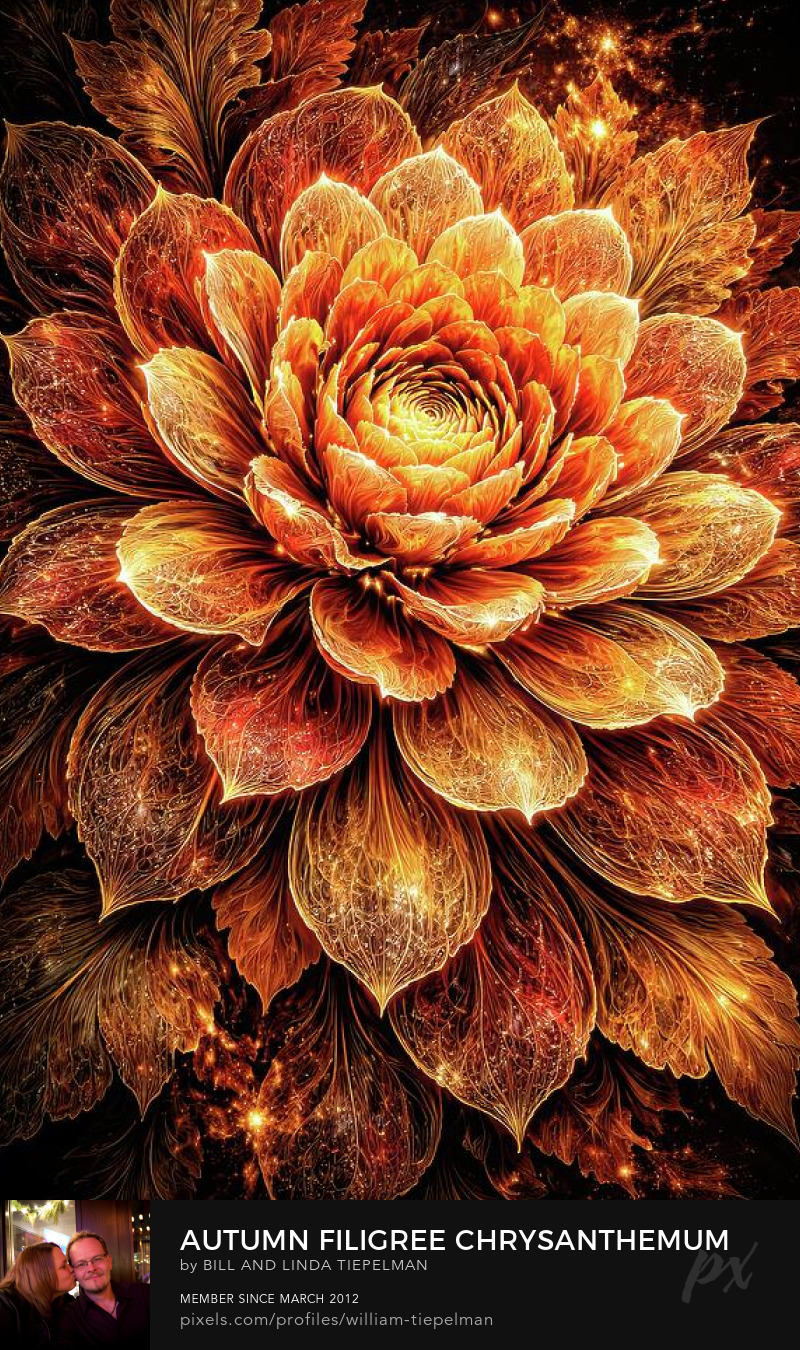
Al fondo, entre las sombras y el brillo tenue de lámparas ocultas, reposaba una flor que atrajo mi atención como un anzuelo tras las costillas. Era un crisantemo; al menos, la forma sugería que lo era. Pero parecía como si hubiera sido forjado del otoño mismo: capas de pétalos en ámbar fundido y cobre, cada uno entretejido con delicadas venas de filigrana que brillaban como la luz del fuego sobre el encaje. No era simplemente hermosa. Era luminosa, como si hubiera robado un pequeño sol y desafiado al universo a recuperarlo.
Me quedé ahí demasiado tiempo. Lo suficiente como para que la mujer tras el mostrador no necesitara preguntar si necesitaba ayuda. Ya sabía dónde había terminado, porque la flor me había elegido primero. Su voz llegó desde un lado, cerca pero sin sobresaltarme. "Estás mirando algo que no pertenece a esta estación". Me giré. Ella estaba allí: tranquila, compuesta y observándome con ojos que no eran ni amables ni crueles. Solo honestos. Como un espejo al que no le importa si te gusta tu reflejo. "Es... irreal", dije, porque mi boca necesitaba emitir un sonido y ese fue el único que pudo encontrar.
"La mayoría de las cosas verdaderas lo son", respondió. Se acercó, no para atosigarme, sino como si se uniera a mí frente a una pintura. Su presencia cambió el aire; hizo que la habitación pareciera inclinarse. "Esa", dijo suavemente, "es para los finales". Tragué saliva. "Necesito flores para mi padre". Su mirada pasó a mí. Solo un pequeño movimiento, como el cambio de una daga en su funda. "Eso es un final, sí. Pero no es el único que llevas encima". Casi me río, con tono cortante y defensivo. "No sé a qué te refieres".
Ella tarareó; no divertido, no burlón, simplemente... reconociendo. "Por supuesto que no". Alcanzó el crisantemo con esas manos cuidadosas y lo levantó como si pesara más de lo que los pétalos deberían. Como si estuviera cargado con todo lo que representaba. Cuando lo sostuvo más cerca, las venas de filigrana se iluminaron. Los pétalos brillaron. Y lo juro —lo juro—, el aire a su alrededor se calentó un grado entero. "Si te llevas esto", dijo, "florecerá con más intensidad que nada que hayas visto jamás". Sus ojos se encontraron con los míos, firmes como el invierno. "Y luego se marchitará".
"Eso es lo que hacen las flores". Intenté sonar normal. Intenté sonar como alguien que no se sentía vagamente amenazado por una planta. Ella sonrió, pequeña, sabedora. "Sí. Pero estas lo hacen... a propósito". Se me erizó la piel. "¿A propósito?". "Florecen por lo que no se ha dicho", murmuró. "Arden por lo que se ha negado". Hizo una pausa. El crisantemo brillaba en sus manos, ascuas que se alejaban perezosamente de sus bordes como polvo dorado. "Dime", dijo, "¿llevas flores a tu padre...?". Su voz se suavizó en algo casi amable. "...¿o se las llevas a la parte de ti que nunca pudo decir adiós?".
Abrí la boca. No salió ningún sonido. Y el crisantemo —como si hubiera estado esperando ese silencio exacto— brilló con más intensidad. Comenzó a preparar el ramo sin pedir permiso. Eso debería haberme molestado. Debería haber insistido. Debería haber hecho algo normal, como elegir flores seguras y marcharme. En su lugar, la vi trabajar con la tranquilidad aterradora de una persona que se ha dado cuenta de que ha entrado en una historia que ya conoce su final. Colocó el crisantemo en el centro, luego lo rodeó con hojas de color rojizo intenso, ramitas doradas que parecían bañadas en luz y un puñado de flores más pequeñas del color de los atardeceres tardíos: oro desvaneciéndose en morado oscuro en los bordes.
Mientras envolvía los tallos, el papel crujió como páginas viejas pasando. Luego ató el cordel. Y en el momento en que lo ajustó, el ramo palpitó —solo una vez— como un latido. Di un salto atrás. Ella no reaccionó. Simplemente deslizó el ramo por el mostrador y puso las manos extendidas a su lado como si presentara pruebas en un tribunal. "Tómalo", dijo. "Ve a donde necesites ir". Mi voz salió débil. "¿Cuánto es?". Me miró parpadeando, genuinamente desconcertada. "¿Dinero?". "Sí. Por las flores". Su sonrisa se volvió levemente triste, como si hubiera preguntado cuánto cuesta respirar. "Pagarás".
Fruncí el ceño. "¿Cómo?". Ella señaló hacia el ramo. "No mintiéndote a ti misma cuando empiece". "¿Cuándo empiece qué?". Sus ojos sostuvieron los míos un instante demasiado largo. "La floración", dijo. "La parte brillante". Luego, muy suavemente: "La parte que duele". Debería haberme ido en ese momento. Debería haber dejado el ramo, retrocedido y haberme ido a alguna tienda normal con flores normales que murieran en silencio sin arrastrar tus órganos emocionales a la calle para una inspección pública. Pero mi madre había pedido flores que no mintieran.
Y el ramo frente a mí parecía la verdad prendida fuego. Lo tomé. El calor se filtró en mis palmas. Y en algún lugar, profundo en mi pecho, algo que había mantenido congelado todo el año se quebró —solo un poco— como el hielo descubriendo que era primavera. Fuera, el cielo ya se estaba oscureciendo. Y el crisantemo comenzó a brillar con más intensidad con cada paso que me alejaba de la tienda.
La parte brillante
El cementerio estaba en el extremo norte del pueblo, donde el viento no tenía nada que lo detuviera y los árboles se inclinaban permanentemente hacia el este como si se prepararan para algo que nunca llegaba a suceder. No había vuelto desde el funeral. Eso no fue intencionado. Al menos, eso era lo que me había dicho a mí misma. La vida había continuado en su cruel y predecible eficiencia: correos electrónicos, facturas, platos, el zumbido constante de la normalidad que exige que sigas adelante incluso cuando cojeas emocionalmente. El duelo, había aprendido, no desaparece. Solo espera a que estés demasiado cansado para esquivarlo.
El ramo se volvió más cálido en mis manos mientras cruzaba el camino de grava. No lo suficientemente caliente como para quemar. Solo lo suficiente para recordarme que estaba allí. El crisantemo en su centro palpitaba débilmente, como una respiración. Como una anticipación. "Estás siendo dramática", me murmuré. "Es una flor". El viento discrepó. Se deslizó entre las lápidas con un silbido bajo que sonaba sospechosamente como una advertencia. Encontré su tumba fácilmente. La tierra ya se había asentado. La hierba había vuelto a crecer con eficiencia educada, como si el suelo estuviera avergonzado por su breve perturbación.
Su nombre estaba tallado limpiamente. Demasiado limpiamente. Como si alguien lo hubiera planchado sobre la piedra. Me quedé allí más tiempo del necesario. Porque la verdad es que no sabía qué decirle cuando estaba vivo. Había sido un hombre silencioso. Práctico. Robusto. El tipo de padre que creía que el amor se demostraba con cambios de aceite y llegando puntual a los sitios. Nunca tuvimos discusiones a gritos. Nunca tuvimos reconciliaciones de película. Tuvimos... espacio. Demasiado. Cuando murió, fue rápido. Una habitación de hospital que olía a antiséptico y rendición. Un corazón que simplemente decidió que había terminado de negociar.
Y en el silencio estéril que siguió, me di cuenta de que había conversaciones enteras que nunca empezamos. Disculpas enteras que nunca alcanzamos. Frases enteras que habían vivido en mi garganta tanto tiempo que se habían fosilizado. El crisantemo brilló. No sutilmente. Los pétalos pasaron de ámbar a oro fundido, con venas de filigrana brillando como hilos arrancados directamente del sol. Las flores más pequeñas del ramo se oscurecieron en tonos intensos de óxido y vino. Las hojas brillaron como si fueran rozadas por una llama invisible. El aire a mi alrededor se calentó. La gente cerca giró sus cabezas.
Una anciana hizo una pausa a medio paso, mirando abiertamente. Un hombre que ajustaba una corona entrecerró los ojos como si la luz hubiera cambiado de forma antinatural. "Oh, no", susurré. Las palabras de la florista se entrelazaron en mi mente: Florecen por lo que no se ha dicho. Arden por lo que se ha negado. "Para", le susurré al ramo. No se detuvo. Floreció. Los pétalos se desplegaron más ampliamente, superponiéndose unos a otros con hipnótica precisión. Cada filamento de filigrana se iluminó hasta parecer grabado en fuego líquido. Pequeñas motas de luz dorada se alejaron hacia afuera, flotando en el aire como ascuas que se negaban a caer.
Y entonces... No fue la luz lo que cambió. Fue el sonido. Un zumbido bajo llenó el espacio entre mis costillas. No en el aire, dentro de mí. El tipo de vibración que sientes cuando un tren pasa bajo tierra o cuando una tormenta se gesta justo fuera de la vista. Mi pecho se tensó. Porque conocía ese zumbido. Era la presión de cada palabra que nunca pronuncié. "Estaba enfadada", dije en voz alta, antes de poder detenerme. El viento hizo una pausa, como si escuchara. "Nunca dijiste que estabas orgulloso de mí".
El crisantemo ardió con más intensidad. "Aparecías. Arreglabas cosas. Te asegurabas de que nunca me faltara nada. Pero nunca...". Mi voz se quebró, traicionera y fuerte. "Nunca lo dijiste". El zumbido se intensificó. El calor se extendió por mis brazos y hacia mi garganta. Mi visión se nubló, no por la luz, sino por el alivio repentino y brutal de decirlo. La gente estaba mirando ahora. Podía sentirlo. Pero algo se había soltado dentro de mí, y la vergüenza ya no ocupaba un lugar destacado en la lista de supervivencia. "Y yo nunca te dije que necesitaba oírlo", continué, con la respiración temblorosa. "Actué como si no me importara. Fingí que estaba bien con el silencio porque era más fácil que pedirlo".
El ramo palpitó como un latido en mis manos. Y entonces, increíblemente... lo olí a él. Aceite de motor. Cuero viejo. El suave jabón cítrico que siempre usaba. El recuerdo no suele llegar con permiso. Entra arrasando. Y este me golpeó como un puño envuelto en calor. Lo vi en el garaje, limpiándose la grasa de los nudillos. Lo oí aclararse la garganta antes de dar un consejo que primero había ensayado en su cabeza tres veces. Recordé la forma en que se quedaba en los umbrales de las puertas, como si quisiera decir algo más pero no pudiera traducirlo en palabras.
El crisantemo brilló al rojo vivo. Y en ese resplandor, me di cuenta de algo feo y necesario: no lo había dicho porque no sabía cómo. No porque no lo sintiera. Mis rodillas cedieron. Me hundí en la hierba fría frente a la lápida, con el ramo apretado contra mi pecho como algo frágil y peligroso. "Estabas orgulloso de mí", susurré, llegando las palabras como una confesión que hacía en su nombre. "Simplemente no tenías el vocabulario". El zumbido se suavizó. El calor se estabilizó. Y en ese resplandor dorado, sentí algo inesperado:
No un cierre. No el perdón. Sino comprensión. "Te perdono", dije, con la voz quebrada. "Por el silencio". El crisantemo brilló una vez más, brillante, cegador, desafiante. Y entonces comenzó a marchitarse. La luz se atenuó lentamente, como un atardecer que sabe que no tiene ningún lugar urgente al que ir. El oro fundido se suavizó volviendo al ámbar. Las venas de filigrana se enfriaron del fuego al cobre. Las flores más pequeñas perdieron su saturación feroz, asentándose en tonos gentiles y otoñales. El calor en mis manos retrocedió. El zumbido dentro de mi pecho se aquietó hasta convertirse en algo casi pacífico.
Una brisa se movió por el cementerio de nuevo, ordinaria e indiferente. La anciana reanudó su marcha. El hombre ajustó su corona y miró hacia otro lado. Nadie se me acercó. Nadie hizo preguntas. Como si el mundo hubiera acordado, colectivamente, dejar que lo que acababa de ocurrir quedara entre el muerto y yo. Coloqué el ramo en la base de la lápida. El crisantemo seguía siendo hermoso, dolorosamente hermoso, pero ya no radiante. Ya no resplandeciente. Parecía... mortal. Como si hubiera hecho lo que vino a hacer. Exhalé. Y en esa exhalación, algo dentro de mí cambió. No sanó por completo. No se reparó mágicamente. Pero se reordenó en una forma que dolía menos cargar.
Cuando me levanté para irme, noté algo que no había visto antes. La hierba alrededor de la tumba, solo un pequeño círculo, había tomado un tenue tono cobrizo. Como si hubiera sido besada por el otoño antes de tiempo. Me quedé mirándola, inquieta. La florista había dicho que las flores florecían con más intensidad justo antes de marchitarse. Pero no había dicho nada sobre lo que dejaban atrás. Esa noche, mi madre volvió a llamar. "¿Fuiste?", preguntó. "Sí". Hubo una pausa. "¿Y?". Dudé. Porque, ¿cómo explicas que el duelo ardió en tus manos como la luz del sol y luego se suavizó hasta convertirse en algo soportable?
"Las flores fueron... honestas", dije finalmente. Ella inspiró bruscamente. "¿Florecieron?". Me quedé quieta. "¿Lo sabías?". Otra pausa. Más larga esta vez. "Fui allí una vez", admitió en voz baja. "Después de que muriera". Mi corazón dio un vuelco. "¿Qué pasó?". Su voz tembló, no débil, sino expuesta. "Las mías también ardieron". El silencio se estiró entre nosotras. Luego añadió, casi para sí misma: "No creo que esa tienda esté vendiendo flores". Miré mi sala de estar a oscuras, con el recuerdo de la luz dorada aún persistiendo detrás de mis ojos. "No", dije suavemente. "No creo que lo sea".
Fuera de mi ventana, los árboles susurraron. Y en algún lugar, en una tienda sin nombre entre un sastre muerto y una panadería que olvidó cómo elevarse... Una mujer con manos cuidadosas preparó otro ramo. Porque en un pueblo donde el invierno duraba cinco meses... Siempre habría alguien cargando con un final.
Lo que se niega a desvanecerse
No tenía intención de volver. Esa es la mentira que me dije la semana siguiente mientras notaba que mis pies me llevaban por la misma calle tranquila, pasando por el sastre silencioso y la panadería que seguía oliendo a azúcar quemado y remordimiento. Me dije a mí misma que tenía curiosidad. Me dije que necesitaba respuestas. Pero la verdad —la verdad honesta e inconveniente— era esta: quería sentir esa intensidad de nuevo. No el dolor. La claridad. La campanilla suspiró cuando abrí la puerta. El calor del interior me envolvió como si reconociera mi silueta. Las estanterías estaban reorganizadas ahora. No dramáticamente, solo lo suficiente para sugerir que la tienda se movía cuando nadie miraba.
Y allí estaba ella. La florista. De pie al fondo, recortando el tallo de algo pálido y delicado que parecía que podría disolverse si se le hablaba demasiado alto. No pareció sorprendida al verme. "Estás más ligera", dijo sin girarse. Fruncí el ceño. "Eso no es nada inquietante". Sus labios se curvaron levemente. "Dejaste algo atrás". Pensé en la hierba teñida de cobre. El crisantemo marchito en la tumba de mi padre. "¿Qué hacen realmente las flores?", pregunté. Dejó las tijeras y se enfrentó a mí por completo. De cerca, había finas líneas en las esquinas de sus ojos; líneas de risa, quizás. O líneas de duelo. Era difícil notar la diferencia.
“Aceleran la verdad”, dijo simplemente. “Eso no es una respuesta”. “Lo es”, replicó con calma. “Solo que no es una que te guste”. Me acerqué más al mostrador. “Sabías lo que pasaría”, insistí. “Sabías que ardería”. “Sí”. “¿Por qué?”. Su mirada no vaciló. “Porque cargabas con podredumbre”. Me tensé. Ella inclinó la cabeza ligeramente; no era crueldad, solo franqueza. “Las cosas no dichas se pudren. No desaparecen. Se endurecen. Se agrian. Moldean cómo amas, cómo luchas, cómo te marchas”. Se movió hacia un estante cercano y levantó un ramo marchito: pétalos marrones, hojas enroscadas hacia adentro.
“Esto es lo que sucede cuando la gente elige no florecer”, dijo suavemente. Rozó con la punta de los dedos un pétalo muerto. Se desmoronó. “Se descomponen en silencio. Y luego le entregan esa descomposición a alguien más”. Las palabras cayeron con más peso que el ramo. “¿Entonces fuerzas a la gente?”, pregunté. Ella arqueó una ceja. “Les ofrezco un momento”, corrigió. “Un estallido concentrado de honestidad. Lo que hagan con él es su elección”. Dudé. “¿Qué eres?”. La pregunta quedó suspendida entre nosotros como vapor. Ella no se rió.
No se desvió. Reflexionó. “Cuido los finales”, dijo finalmente. “Algunas personas cultivan comienzos. Yo cultivo lo que viene después”. El silencio se instaló, pero no fue incómodo. Se sentía… ancestral. Miré alrededor de la tienda, a las flores imposibles, a los colores saturados, al aire que se sentía más cálido de lo que tenía derecho a estar. “¿Alguna vez se niegan?”, pregunté en voz baja. “¿Las flores?”. Asentí. Su expresión cambió: sutil, pensativa. “A veces”, admitió. “A veces una flor elige no arder. Esas son las peligrosas”. “¿Peligrosas cómo?”. “Se mantienen brillantes”.
Una pausa. “Y cualquier cosa que se mantiene brillante demasiado tiempo comienza a creer que es permanente”. Pensé en mi padre. En la forma en que se había endurecido en la rutina. En cómo el silencio se había convertido en su armadura. En lo fácil que la permanencia se había disfrazado de fuerza. “No puedes arreglarlo todo”, dije. Ella asintió una vez. “Correcto”. “Entonces, ¿por qué hacer esto?”. Sonrió, no de forma triunfante, no mística. Solo humana. “Porque la mayoría de la gente solo necesita una flor honesta”. Me apoyé contra el mostrador, sintiendo el leve zumbido en el aire. “¿Qué pasa con los que vuelven?”, pregunté.
“Por lo general, no vuelven por dolor”, dijo en voz baja. “¿Entonces por qué vuelven?”. Sus ojos se clavaron en los míos. “Por amor”. La palabra aterrizó de forma diferente a lo que esperaba. “El amor no necesita arder”, dije. “No”, estuvo de acuerdo. “Pero necesita verdad. Y la mayoría de la gente es tan deshonesta en el amor como en la pérdida”. Tragué saliva. Surgieron imágenes sin invitación: conversaciones que había evitado, sentimientos que había minimizado, un mensaje que no envié porque sentía que era más seguro no arriesgarme. Ella lo vio en mi rostro. “Ah”, murmuró.
“No lo hagas”, advertí. Su sonrisa era casi traviesa ahora. “Crees que ya has florecido”. “Acabo de hacerlo”. “Hiciste una”. Se movió hacia la parte trasera de la tienda otra vez, donde un único crisantemo descansaba en un cuenco de latón poco profundo. Era más pequeño que el anterior. Más comedido. Sus pétalos eran de un cobre profundo ribeteado en oro, las líneas de filigrana más finas, más sutiles, como venas bajo la piel. Pulsaba levemente cuando lo levantó. “Este no es para finales”, dijo con suavidad. Me quedé mirándolo. “Entonces, ¿para qué es?”.
Se acercó, sosteniéndolo entre nosotros. “Para los comienzos que requieren coraje”. Los latidos de mi corazón se aceleraron. “No vine aquí por eso”. “No”, estuvo de acuerdo. “Pero entraste de todos modos”. La flor calentó el aire entre nosotros. Podía sentir cómo la elección ganaba peso. No dramático. No catastrófico. Solo honesto. “¿Qué pasa si lo tomo?”, pregunté. “Florecerá”, dijo. “Y cuando lo haga, no podrás fingir que no quieres lo que quieres”. Mantuvo mi mirada. “Esa es siempre la parte más aterradora”.
Pensé en el silencio. En la podredumbre. En lo fácil que es dejar que las cosas se desvanezcan en silencio en lugar de arriesgarse a brillar. Entonces extendí la mano. El crisantemo estaba caliente, constante, sin quemar. Vivo. “Pagarás”, dijo suavemente, repitiéndose. Casi sonreí. “¿Al no mentirme a mí mismo?”. Ella asintió. “Exactamente”. Cuando salí de nuevo a la calle, el cielo estaba bañado en cobre de última hora de la tarde. El mundo parecía ordinario. Predecible. Pero la flor en mis manos zumbaba levemente. No con dolor. Con posibilidad. Y en algún lugar detrás de mí, dentro de una tienda que se negaba a llevar nombre, una mujer con manos cuidadosas volvió a sus estantes.
Porque en un pueblo donde el invierno duraba cinco meses… Siempre habría alguien lo suficientemente valiente como para arder.
Si el Crisantemo de Filigrana de Otoño te dejó con esa sensación cálida de brillo cobrizo —como si la verdad acabara de ser amablemente incendiada—, buenas noticias: puedes llevar esa misma vibra a casa sin necesidad de que un florista misterioso te derribe emocionalmente. Consíguelo como un lienzo impreso para una energía total de “esta habitación tiene historia”, o elige la magia acogedora con la funda nórdica y el cojín decorativo (porque sí, tu cama merece ser una protagonista de temporada). ¿Quieres un brillo funcional? La flor luce increíble en una toalla de baño y en una bolsa de tela, y si eres del tipo que prefiere que el drama llegue por correo, la tarjeta de felicitación es básicamente un “pensé en ti” con un poco de mito extra integrado.
 The Wink That Got Away With Everything
 The Dewdrop He Swore He Could Handle
 Sir Petalgrip y el pliegue que debió haber respetado