
El problema con el silencio
Stillwinter se enorgullecía de su silencio. No del suave murmullo que a la gente le gusta idealizar en poemas o postales. No de la quietud apacible de una nevada que te hacía sentir seguro, reflexivo y extrañamente indulgente con tus errores del pasado. No, el silencio de Stillwinter era deliberado. Impuesto. Curado con la misma energía que la de un bibliotecario que ya te ha mandado callar dos veces y ahora está considerando recurrir a la violencia. Era un silencio con postura. Las ramas se mantenían inmóviles no porque estuvieran congeladas, sino porque habían aprendido que era lo mejor. La nieve se posaba con cuidado, consciente de dónde caía. Incluso el viento se comportaba, deslizándose entre los árboles con el mínimo de ruido, como si supiera que lo estaban observando.
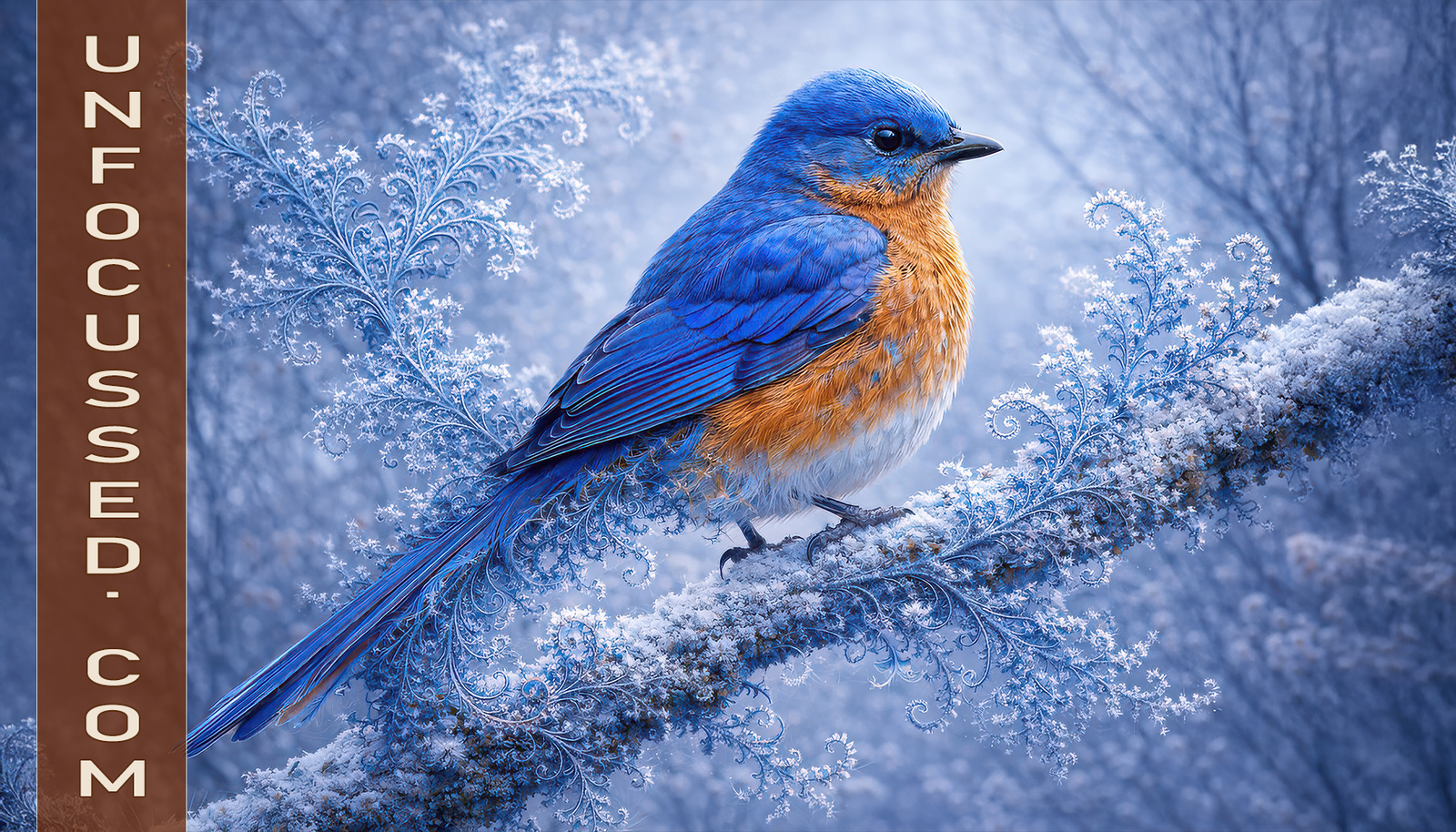
Stillwinter creía que el silencio era la forma en que el invierno mantenía el control. El ruido, después de todo, era una pendiente resbaladiza. Primero venía un susurro. Luego un murmullo. Después alguien se reía y, de repente, las bufandas se aflojaban, los recuerdos del verano resurgían y toda la estación comenzaba a sentirse negociable. Precisamente por eso el Pájaro Cantor de Zafiro era un problema. Sobre el papel, el pájaro no tenía nada de especial. Era aceptable. Incluso bienvenido. Un pequeño y pulcro residente de ramas escarchadas, inflado en una esfera perfecta contra el frío. Azul como una piedra preciosa tallada, con el pecho entibiado por un suave resplandor de ascuas que sugería resiliencia pero no prometía nada perturbador.
Comía cuando debía. Se posaba donde se le permitía. Observaba el mundo con un ojo tranquilo e inteligente que sugería que comprendía las reglas y no tenía intención de romperlas. Stillwinter lo aprobaba. Por un tiempo. Los problemas comenzaron en una mañana tan ordinaria que casi pasó desapercibida. El cielo estaba pálido y nublado, el tipo de color que el invierno vestía cuando no quería llamar la atención. La nieve yacía inalterada, orgullosa de su suavidad. El hielo se aferraba con pulcritud a las ramas en líneas nítidas y respetables. Todo estaba exactamente como debía estar.
El pájaro aterrizó en una rama recubierta de escarcha y ahuecó sus plumas. Y entonces… Cantó. No fuerte. No con audacia. No con una intención obvia de rebelión. El sonido fue pequeño, casi disculpándose, como un pensamiento expresado en voz alta por accidente. Una frase breve y musical que apenas perturbó el aire. Pero Stillwinter lo sintió. La rama bajo el pájaro reaccionó primero, cubriéndose de escarcha con un entusiasmo innecesario. El hielo se extendió hacia afuera en elaborados rizos, trazando bucles y florituras que nadie había pedido. El tipo de decoración que normalmente se reserva para los días festivos o los momentos de debilidad.
Un banco de nieve cercano se desplazó, inquieto. Un arroyo congelado en lo profundo del bosque crujió lo suficiente como para emitir un sonido; nada dramático, solo un reconocimiento silencioso de que algo había sucedido. Stillwinter se dio cuenta. Stillwinter siempre se daba cuenta. El problema no era la canción en sí. Era lo que venía después. Los copos de nieve se acercaron más, flotando en ángulos que sugerían curiosidad en lugar de gravedad. Los patrones de escarcha se volvieron indulgentes, ornamentados de formas que no servían para ningún propósito estructural. Las agujas de los pinos temblaron, repentinamente conscientes de que eran parte de una escena. El silencio, antes absoluto, ahora tenía grietas. A mediodía, el bosque lo sabía.
La nieve difundió la noticia primero. La nieve siempre lo hacía. Tenía tiempo, proximidad y una incapacidad crónica para guardarse nada. Le susurraba a la corteza y a la piedra, a las raíces y a los ventisqueros, pasando el secreto en minúsculos murmullos cristalinos. El pájaro canta. Cantó esta mañana. Canta aquí. Los carámbanos lo captaron después, goteando rumores en ritmos lentos y deliberados. Las ramas lo pasaron al viento, quien se lo pasó a todo lo demás porque el viento nunca había entendido el concepto de moderación. Al atardecer, el silencio ya no estaba intacto. Estaba remendado, fingiendo que no pasaba nada.
El Pájaro Cantor de Zafiro, mientras tanto, no estaba para nada molesto. Saltaba de rama en rama, con la cola moviéndose, sus plumas atrapando la poca luz que había y convirtiéndola en algo digno de mención. Su pecho de ascuas brillaba débilmente, no lo suficiente como para derretir nada importante, solo lo justo para que el frío se sintiera cohibido. Cuando volvió a cantar, la escarcha se disparó hacia afuera con un deleite excesivo, enroscándose y formando bucles como si el invierno mismo estuviera aplaudiendo a pesar de haber jurado que no lo haría. Las reglas se doblaron. Las tradiciones entrecerraron los ojos. El silencio estaba oficialmente a prueba. Muy por debajo del hielo, donde Stillwinter guardaba su autoridad y sus rencores, algo antiguo hizo una pausa en medio de un pensamiento. Un reproche comenzó a formarse —severo, bien ensayado, centenario— solo para detenerse, torpemente inacabado.
Porque por primera vez en mucho tiempo, el invierno no estaba del todo seguro de querer que el sonido se detuviera. El secreto no era solo que el pájaro cantara. El secreto era que Stillwinter estaba escuchando.
La estación desarrolla una actitud
Stillwinter intentó con mucho esfuerzo fingir que no pasaba nada. Esta era, históricamente, su estrategia preferida. Ignora el problema el tiempo suficiente y o bien se congela por completo o se marcha en busca de climas más cálidos. El silencio, después de todo, siempre había sido una excelente herramienta de imposición. Las cosas que hacían ruido tendían a no durar. Pero el Pájaro Cantor de Zafiro no se congeló. No se marchó. Y lo peor de todo: continuó. Cada mañana, el pájaro aparecía como si estuviera programado. Elegía una rama con ojo estético, ahuecaba sus plumas en una forma que sugería confianza rayana en la arrogancia, y cantaba.
No la misma canción. Nunca la misma canción. Eso hubiera sido predecible. Esto era improvisación: trinos suaves un día, notas más brillantes al siguiente, melodías que se sentían medio recordadas y totalmente innecesarias. Stillwinter odiaba las cosas innecesarias. Los efectos fueron inmediatos y profundamente irritantes. La escarcha crecía elaborada donde el pájaro se posaba, enroscándose en patrones de encaje que no servían para otro propósito que ser hermosos. Los ventisqueros se desplazaban para mejorar las líneas de visión. El aire mismo parecía hacer una pausa, conteniendo el aliento como una audiencia insegura de si debía aplaudir o no. Y entonces, el sonido seguía. Las ramas crujían de manera conversacional. El hielo tintineaba al asentarse. El viento se deslizaba entre los troncos con un leve zumbido, fingiendo que solo pasaba por allí mientras claramente escuchaba a escondidas.
El bosque ya no estaba tranquilo. Estaba susurrando. Stillwinter respondió de la única forma que sabía: apretando su agarre. El frío se intensificó. El hielo se espesó. Las mañanas se volvieron más afiladas, los bordes más limpios, la escarcha más agresiva en su adhesión a líneas rectas y geometrías aprobadas. La nieve caía con más fuerza, como para sofocar el sonido bajo su peso. El pájaro lo notó. Ajustó su postura, infló sus plumas y cantó más fuerte. No más fuerte en volumen, sino más fuerte en intención. Las notas llegaban más lejos, enroscándose alrededor de los troncos y deslizándose bajo los ventisqueros. La canción se abría paso por el bosque, tirando de recuerdos que el invierno prefería mantener enterrados.
Un pino recordó la lluvia de verano y se estremeció. Un arroyo congelado volvió a crujir, esta vez riéndose de sí mismo. Incluso los carámbanos, normalmente los instrumentos más disciplinados del invierno, comenzaron a tintinear en ritmos irregulares, completamente fuera de guion. Stillwinter se erizó. Esto era insubordinación. Esto era negligencia estacional. Y, sin embargo... La escarcha seguía floreciendo. Donde el pájaro se posaba, el hielo se volvía ornamental. La filigrana se extendía como un bordado sobre la corteza y la piedra, enroscándose en patrones demasiado alegres para ser accidentales. Era como si el invierno, a pesar de sí mismo, se estuviera vistiendo para la ocasión. El Pájaro Cantor de Zafiro se acicalaba.
Inclinaba la cabeza, viendo cómo la escarcha respondía, con la cola moviéndose con satisfacción. Su pecho de ascuas brillaba más cálido ahora; no derretía, no rompía las reglas por completo, pero las bordeaba con una facilidad practicada. Para la tercera mañana, el peor temor de Stillwinter se hizo realidad. El bosque comenzó a esperar la canción. Los ventisqueros se inclinaban hacia la rama favorita del pájaro antes de que llegara. Las ramas se posicionaban estratégicamente, buscando una mejor acústica. Incluso el viento aparecía temprano, fingiendo que tenía otros asuntos mientras claramente esperaba. Esto ya no era un secreto. Esto era un evento.
Stillwinter podía sentir cómo se le escapaba. El control, antes absoluto, ahora tenía opiniones añadidas. El silencio había desarrollado una personalidad. Y en algún lugar profundo bajo el hielo, una vieja regla —una que no se había puesto a prueba en siglos— crujía bajo el peso de la relevancia. El invierno no estaba hecho para ser disfrutado. Estaba hecho para ser soportado. El Pájaro Cantor de Zafiro, posado con suficiencia en medio de su halo de escarcha autoimpuesto, cantaba como si no estuviera de acuerdo. Y Stillwinter, a pesar de toda su fanfarronería y frialdad, no dejó de escuchar.
El secreto se admite a sí mismo
Para la cuarta mañana, Stillwinter dejó de fingir. No abiertamente, por supuesto. El invierno tenía sus normas. Pero el esfuerzo requerido para mantener la indiferencia se había vuelto... agotador. El silencio necesitaba mantenimiento ahora. Atención. Reparaciones ocasionales donde el sonido lo había desgastado. El Pájaro Cantor de Zafiro llegó tarde esa mañana. Intencionalmente. El bosque lo notó de inmediato. Los ventisqueros esperaron demasiado. Las ramas mantuvieron sus posiciones con la rigidez de una multitud insegura de si se había perdido el acto de apertura. El viento daba vueltas, inquieto, sin llevar nada más que anticipación. Stillwinter sintió la ausencia como un hilo tirado. Cuando el pájaro finalmente aterrizó, la escarcha se apresuró a recibirlo, disparándose hacia afuera en patrones extravagantes. El hielo bordó la rama con bucles y rizos, excesivos y sin pedir disculpas. El frío se vistió solo sin que nadie se lo pidiera.
El pájaro no cantó de inmediato. Miró a su alrededor. A la nieve inclinándose. A las ramas acercándose. A los carámbanos tintineando suavemente, incapaces de contenerse. Su ojo oscuro brillaba con la consciencia de un intérprete que sabía exactamente cuándo hacer una pausa. Stillwinter esperó. Y en esa espera, sucedió algo desconocido. El invierno escuchó no por vigilancia, sino por curiosidad. La canción, cuando llegó, era diferente. No más brillante. No más fuerte. Solo... más cálida. Una melodía hilada con paciencia y picardía, que no traía ningún desafío, no hacía ninguna exigencia. No le pedía al invierno que se fuera. No amenazaba con el deshielo.
Simplemente existía. La escarcha respondió con moderación por una vez, enroscándose suavemente en lugar de dispararse. La nieve se asentó en lugar de inclinarse. Incluso el viento se calmó, contento de dejar que el sonido permaneciera donde estaba. Stillwinter lo sintió entonces. La verdad que había estado rodeando desde la primera nota. El silencio nunca fue el objetivo. El control había sido más fácil, sí. Más limpio. Pero el invierno se había vuelto hermoso no a través de la ausencia, sino a través del contraste. A través de la tensión entre el frío y el calor, la quietud y el sonido. El Pájaro Cantor de Zafiro no había roto el invierno. Lo había revelado.
Stillwinter aflojó su agarre. Solo un poco. El frío se suavizó alrededor de los bordes. La escarcha mantuvo su elegancia sin insistir en la obediencia. La nieve caía más ligera, curiosa en lugar de correctiva. El bosque exhaló. El pájaro cantó una última vez esa mañana, una nota final que se asentó en la tierra como un secreto compartido. Después de eso, saltó de la rama y desapareció entre los árboles, dejando atrás una escarcha que mantuvo su forma un momento más de lo necesario. El bosque hablaría de ello durante semanas. Stillwinter lo negaría para siempre.
Pero cuando la estación regresaba cada año, siempre habría una rama —solo una— donde la escarcha crecía adornada sin razón, donde el silencio se permitía una grieta. Y a veces, en mañanas en las que el invierno se sentía especialmente honesto, una canción se colaba. Stillwinter, resultó, no temía al sonido. Simplemente no sabía que se le permitía disfrutarlo.
El Pájaro Cantor de Zafiro de Stillwinter no solo vive en la historia: permanece. Ya sea capturado como una luminosa impresión enmarcada o una impresión acrílica de suavidad cristalina, la obra de arte preserva ese momento en que el invierno se olvidó brevemente de sí mismo. Para espacios más tranquilos, la imagen se suaviza maravillosamente en un acogedor cojín decorativo, mientras que el rompecabezas te invita a reconstruir el invierno rizo de escarcha tras rizo de escarcha. Y para aquellos que prefieren que su magia llegue por correo, la tarjeta de felicitación lleva un susurro de Stillwinter: la prueba de que hay estaciones que no quieren ser soportadas, solo admiradas.
 The Wink That Got Away With Everything
 The Dewdrop He Swore He Could Handle
 Sir Petalgrip y el pliegue que debió haber respetado